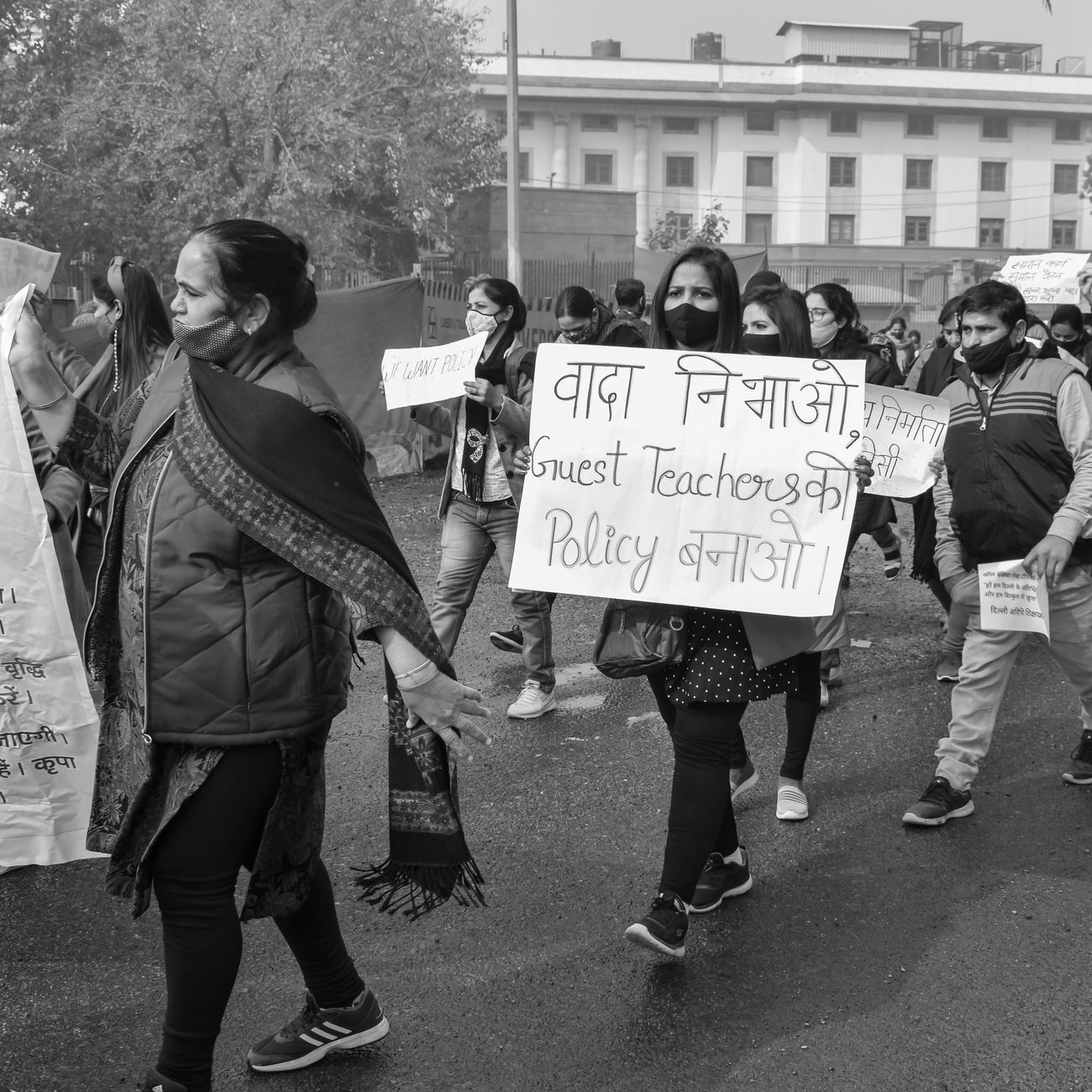
The streets of several Indian cities have witnessed growing student unrest in recent months, with young people demanding better educational infrastructure, more opportunities, and accountability from their governments. Behind these protests lies a troubling trend: many Indian states have systematically reduced their spending on education as a percentage of their total budgets over the past twelve years, even as the student population has grown and the demands of a modern economy have intensified.
The Declining Priority of Education
Education has long been considered the cornerstone of individual advancement and national development. However, budget allocations tell a different story about how seriously Indian states take this sector. While the overall size of state budgets has grown nominally over the years, the share dedicated to education has shrunk in many regions, suggesting that other priorities have taken precedence.
This decline is particularly striking given India's demographic advantage. With one of the youngest populations globally, investing in education should theoretically be a top priority to harness this potential workforce. Yet, the budgetary reality reflects a gap between rhetoric and action.
Where the Money Went Instead
Several factors explain this shift in spending priorities. Infrastructure development, particularly roads and urban projects, has consumed larger portions of state budgets. Additionally, populist welfare schemes, subsidies, and loan waivers have become politically attractive alternatives that promise more immediate electoral returns than long-term educational investments.
Debt servicing has also eaten into available resources. Many states struggle with high debt-to-GDP ratios, forcing them to allocate substantial funds toward interest payments rather than developmental sectors like education. Furthermore, committed expenditures such as salaries and pensions for government employees have grown, leaving less fiscal space for capital investments in schools, colleges, and universities.
The Real-World Impact on Students
The consequences of reduced education spending manifest in multiple ways across the country:
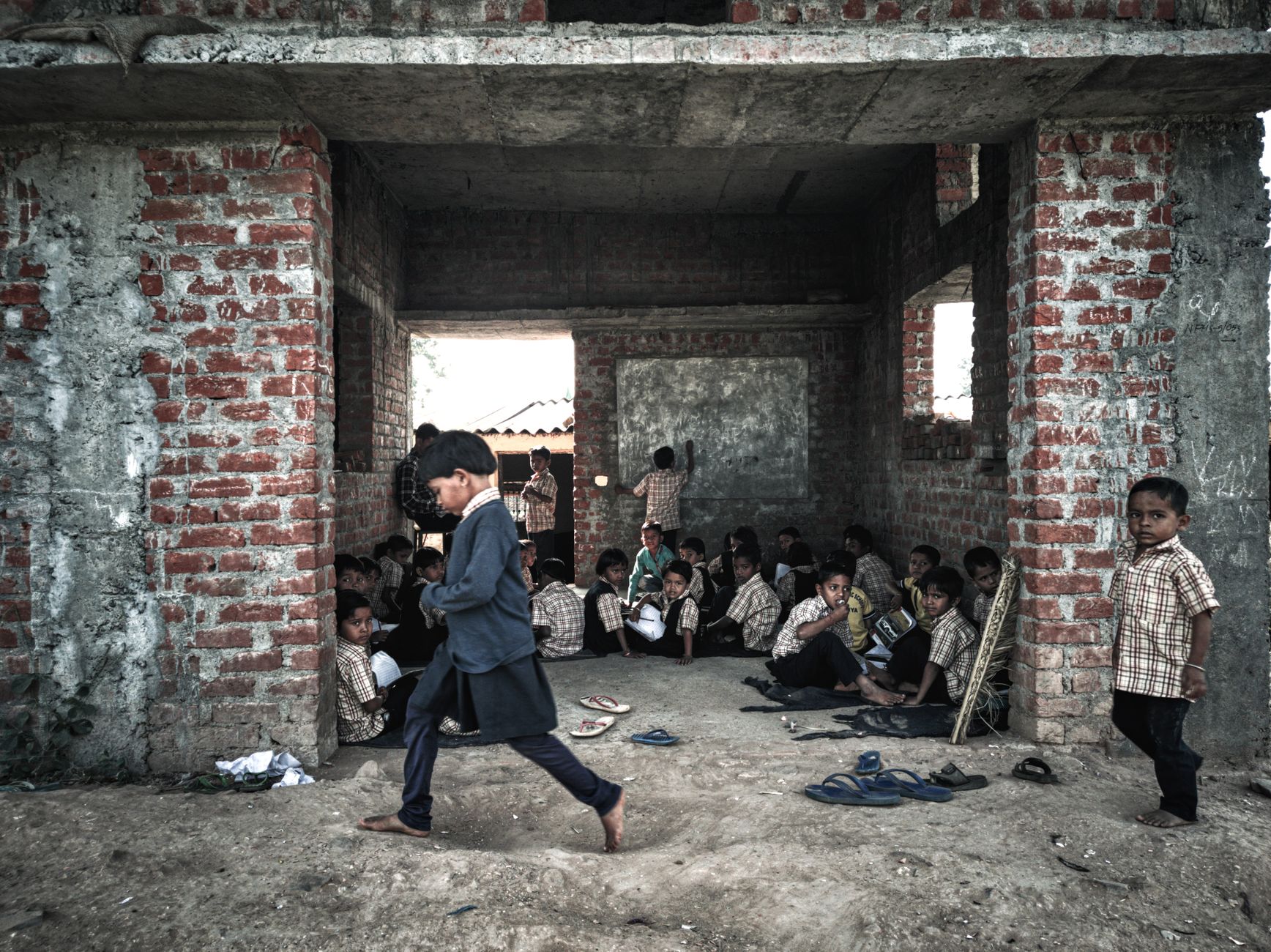
- Deteriorating infrastructure in government schools, with many lacking basic facilities like functional toilets, drinking water, and proper classrooms
- Teacher shortages that force students into overcrowded classrooms, undermining learning quality
- Insufficient funds for digital infrastructure, widening the gap between private and public education
- Limited resources for skill development programs that could make graduates more employable
- Reduced scholarships and financial aid for students from economically disadvantaged backgrounds
These conditions particularly affect students from lower-income families who depend on government schools and colleges. The underfunding creates a two-tier system where those who can afford private education advance, while others fall behind.
Regional Variations and Disparities
The education spending decline has not been uniform across all states. Some progressive states have maintained or even increased their education budgets, recognizing the sector's importance for long-term growth. These states often demonstrate better educational outcomes, higher literacy rates, and improved employment prospects for their youth.
In contrast, states that have cut education spending more aggressively often show declining enrollment rates, higher dropout percentages, and poorer performance in national assessments. This creates regional inequalities that can persist for generations, as children in underfunded systems lack the tools to compete in a national job market.
The Youth Response
The current wave of protests reflects frustration among young people who see their futures being compromised by short-sighted fiscal policies. Students are demanding transparency in budget allocations, better implementation of existing schemes, and a renewed commitment to education funding.
Many protesters point to the disconnect between government promises and actual spending. While education is frequently highlighted in political speeches and manifestos, the budget documents reveal a different set of priorities. This credibility gap has fueled cynicism among the youth and motivated them to seek accountability.
The Path Forward
Reversing this trend requires political will and long-term thinking. Education economists argue that spending on this sector yields high returns through improved productivity, higher incomes, and better health outcomes. Countries that have invested heavily in education during their development phases, such as South Korea and Singapore, have reaped substantial economic benefits.
India's states need to recognize that education spending is not merely a cost but an investment in future prosperity. This means protecting education budgets even during fiscal constraints, improving the quality of spending through better monitoring and accountability, and ensuring that funds reach the intended beneficiaries rather than being lost to inefficiency or corruption.
The youth protests serve as a wake-up call for policymakers. Addressing the legitimate concerns of students and reversing the decline in education spending should be priorities for any government serious about India's future competitiveness and inclusive growth.