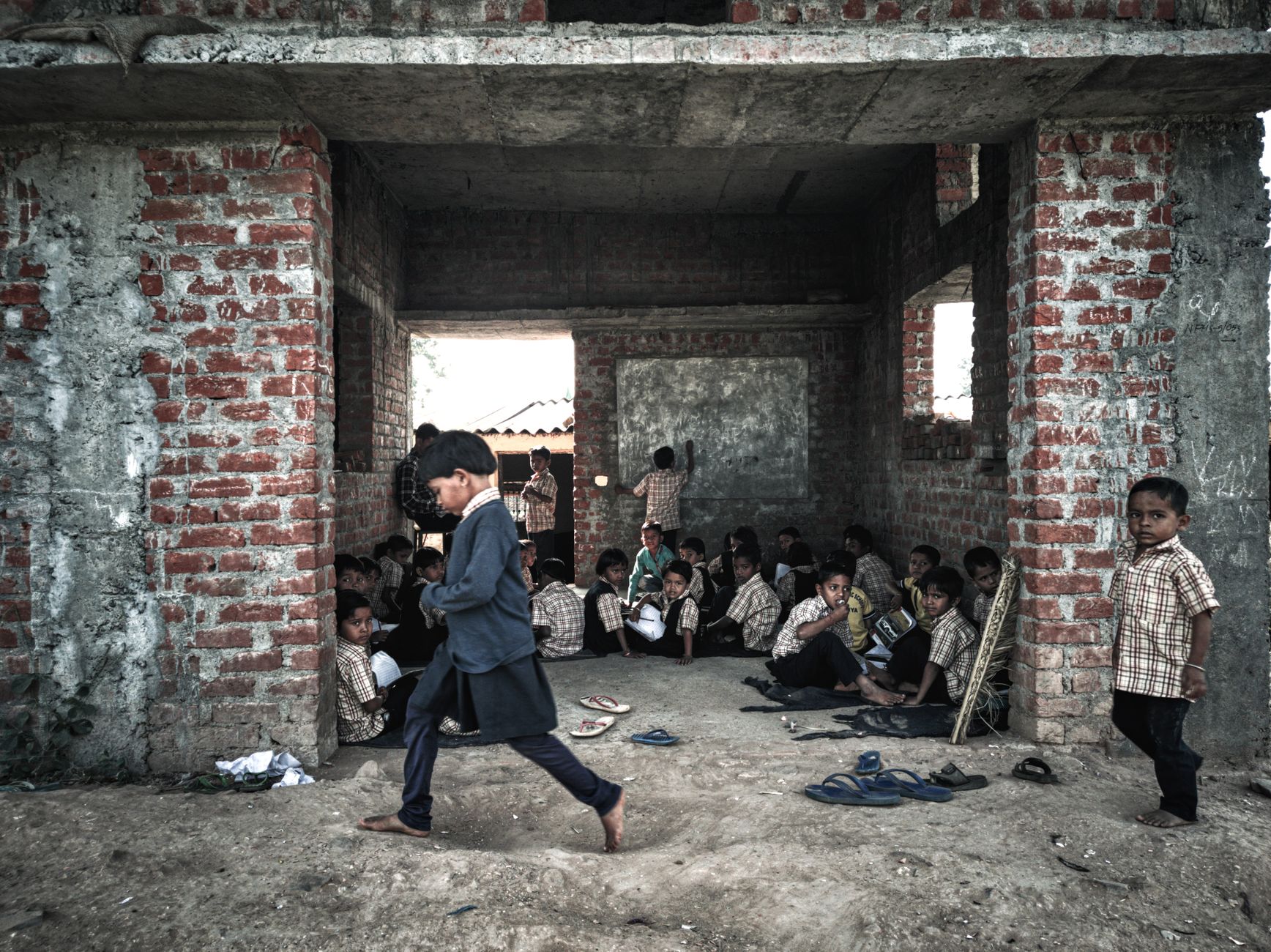
In democratic nations worldwide, cabinet ministers occasionally resign following sustained public pressure, protests, or controversies. When an education minister steps down, it creates ripples across the entire educational ecosystem, affecting policy continuity, ongoing reforms, and institutional leadership.
Understanding Ministerial Resignations
Cabinet ministers in parliamentary democracies serve at the pleasure of the Prime Minister or President, but public opinion and political dynamics play crucial roles in their tenure. Resignations typically occur for several reasons: policy failures, corruption allegations, loss of confidence from the ruling party, or sustained public protests demanding accountability.
Education ministers face unique pressures because their decisions directly impact millions of students, parents, teachers, and educational institutions. From curriculum changes to examination reforms, budget allocations to infrastructure development, their policies touch nearly every household.
The Role of Political Protests
Political parties and civil society organizations often organize protests when they perceive government failures or demand policy changes. These demonstrations serve multiple purposes in democratic societies:
- Highlighting public grievances that might otherwise go unnoticed
- Creating political pressure on ruling parties to address specific issues
- Mobilizing supporters and building momentum for alternative policies
- Drawing media attention to educational concerns
When protests gain sufficient traction and public support, they can force governments to reconsider their positions or make personnel changes to restore confidence.
Impact on Educational Policy
Ministerial resignations create both challenges and opportunities for education systems. The immediate impact includes:
- Temporary leadership vacuum affecting decision-making
- Potential delays in ongoing reform initiatives
- Uncertainty among educational administrators and institutions
- Questions about continuity of announced policies and programs
However, new leadership can also bring fresh perspectives, different priorities, and opportunities to course-correct on unpopular policies.
The Transition Process
When an education minister resigns, constitutional and administrative processes kick in. The Prime Minister typically appoints a replacement, either from existing cabinet members who may hold additional charge temporarily, or by inducting new members into the cabinet.
During transition periods, senior bureaucrats in the education ministry maintain continuity in day-to-day operations. Critical functions like examination administration, scholarship disbursement, and institutional accreditation continue under established systems.
Educational Stakeholder Concerns
Various stakeholders watch ministerial changes closely:
Students and parents worry about potential changes to examination patterns, admission procedures, or scholarship schemes. Teachers and educational institutions seek clarity on salary structures, recruitment policies, and regulatory frameworks.
Universities and research institutions await guidance on funding commitments, autonomy provisions, and quality assessment processes. Private educational entrepreneurs monitor changes in licensing requirements and compliance obligations.
Historical Patterns
Education ministers worldwide have resigned over various controversies: examination paper leaks, corruption in infrastructure projects, mishandling of teacher recruitment, poorly conceived curriculum changes, or failure to address systemic problems like school dropouts or learning quality.
Some resignations prove merely symbolic, with similar policies continuing under new leadership. Others mark genuine inflection points where governments acknowledge past mistakes and pivot toward different approaches.
The Broader Democratic Context
Ministerial resignations reflect the health of democratic accountability mechanisms. They demonstrate that elected officials face consequences for their actions and that public opinion matters in governance.
However, resignations alone don't solve underlying problems. Systemic issues in education—inadequate funding, infrastructure gaps, teacher shortages, curriculum relevance, or examination stress—require sustained attention beyond individual ministerial tenures.
Moving Forward
After ministerial changes, educational communities typically watch for several indicators: the new minister's stated priorities, budget allocation decisions, approaches to pending reforms, and willingness to consult stakeholders.
Effective education ministers balance multiple competing demands: maintaining examination integrity while reducing student stress, expanding access while ensuring quality, respecting institutional autonomy while ensuring accountability, and modernizing curriculum while preserving cultural values.
The success of any education minister ultimately depends not on avoiding controversy but on implementing policies that improve learning outcomes, expand opportunities, and prepare students for evolving economic and social realities.
This article is for general informational purposes only and does not constitute political analysis or advice. Readers should consult multiple news sources and official government communications for specific details about ministerial changes and their implications.