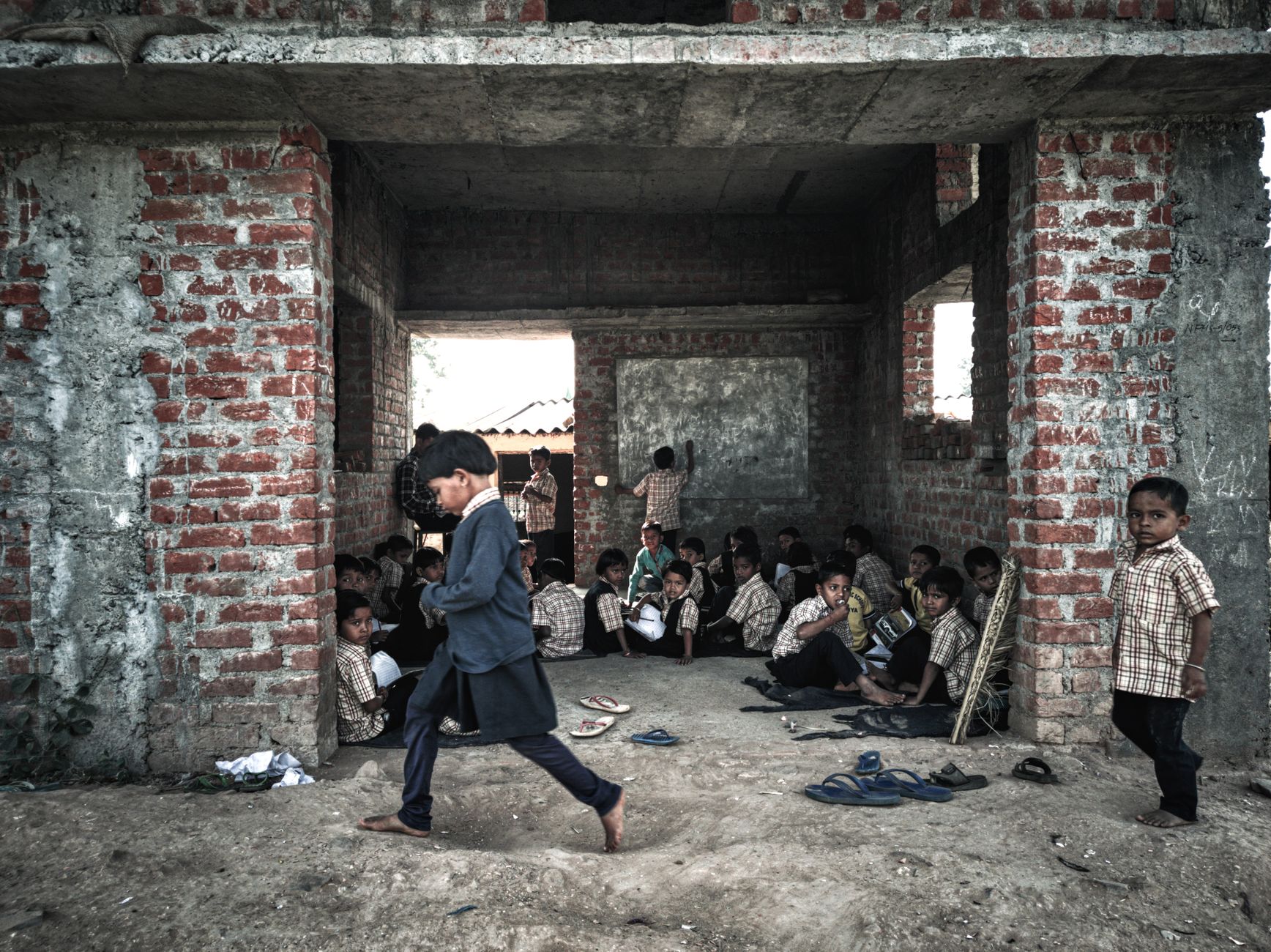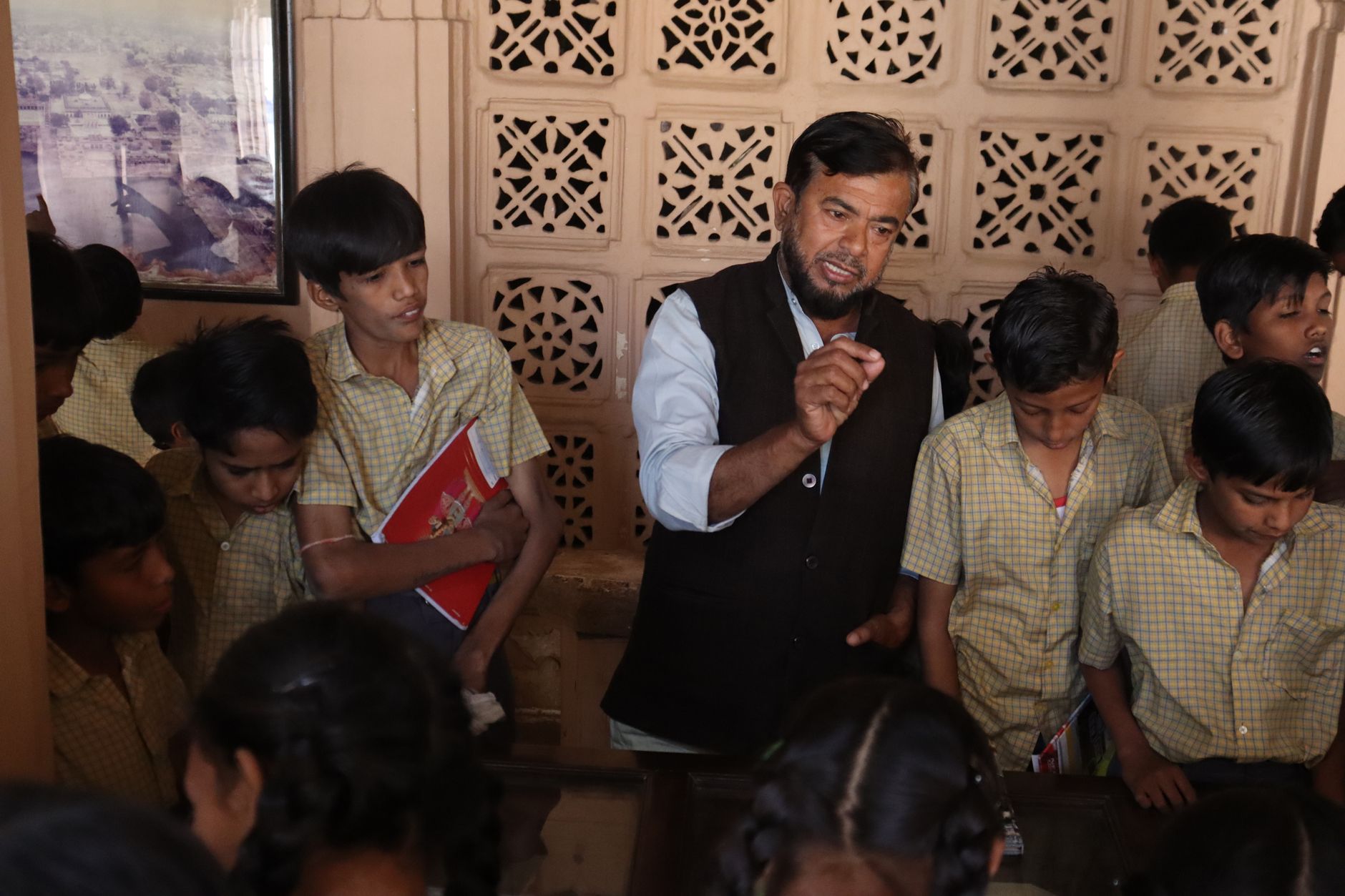
India's education system has long been a subject of intense debate, with concerns ranging from rote learning to limited career pathways. Recent discussions have highlighted how centralized control over education policy may be contributing to student stress, limited innovation, and a disconnect between academic training and real-world skills.
The Current Structure of Indian Education
India's education system operates under a complex framework where both the central and state governments share responsibilities. The National Council of Educational Research and Training (NCERT) designs curricula for central schools, while the Central Board of Secondary Education (CBSE) and Council for the Indian School Certificate Examinations (CISCE) conduct national examinations. State boards run parallel systems, but often mirror central patterns.
This centralized approach ensures some uniformity across the country, allowing students to transition between states more easily. However, it also creates a one-size-fits-all model that may not accommodate regional cultural contexts, economic realities, or diverse learning styles.
Why Students Feel the Pressure
Young Indians face immense academic pressure starting from early childhood. The emphasis on board examination scores, competitive entrance tests like JEE and NEET, and a limited number of premier institutions creates a high-stakes environment. Students often spend years in coaching institutes, following rigid syllabi designed at the national level.
This pressure manifests in concerning ways. India has reported troubling student mental health statistics, with exam-related stress being a significant factor. The focus on memorization over critical thinking leaves many graduates struggling to apply their knowledge in practical settings or entrepreneurial ventures.
The Case for Decentralization
Decentralization in education would mean granting states and even local bodies greater autonomy in curriculum design, teaching methods, and assessment patterns. Several arguments support this approach:
- States could incorporate local languages, culture, and history more effectively into education
- Regional economic needs could shape vocational training and skill development programs
- Schools could experiment with different pedagogical approaches without waiting for national policy changes
- Local communities would have greater ownership of educational institutions
- Innovation in teaching methods could occur more rapidly at smaller scales
Countries like Finland, often cited for educational excellence, operate highly decentralized systems where municipalities have significant control. In India, Kerala's education outcomes suggest that state-level innovations can succeed when given space to flourish.
Potential Benefits for Students and Society
A decentralized system could reduce the intense competition for limited seats in centrally-recognized institutions by creating diverse pathways to success. Students interested in agriculture in Punjab might follow different trajectories than those pursuing marine sciences in Kerala, with both paths carrying equal dignity and opportunity.
Greater local control could also mean more responsive curricula. When local bodies participate in educational decisions, they can quickly update courses to reflect technological changes, environmental challenges, or emerging industries in their regions. This relevance could increase student engagement and practical skill development.
Challenges and Concerns
Decentralization is not without risks. Critics worry about:
- Potential quality disparities between wealthy and poorer states
- Complications in student mobility across state boundaries
- Risks of curriculum being influenced by local political or religious agendas
- Loss of common standards that currently ensure baseline educational quality
- Implementation challenges in states with limited administrative capacity
These concerns are valid and would require careful policy design. A successful decentralization would need robust quality assurance mechanisms, protection for academic freedom, and adequate funding formulas to prevent inequality.
The Way Forward
Rather than complete decentralization or rigid centralization, India might benefit from a balanced approach. The central government could set broad learning outcomes and competencies while allowing states freedom in how to achieve them. National-level coordination could ensure mobility and prevent fragmentation, while local innovation addresses specific community needs.
The National Education Policy 2020 does include some moves toward flexibility, including greater emphasis on vocational education and multilingual learning. However, implementation remains centrally guided. Genuine decentralization would require constitutional amendments, significant trust in state capabilities, and willingness to accept diverse approaches to education.
For India's youth to thrive, the education system must evolve beyond standardized testing and uniform curricula. Whether through decentralization or other reforms, the goal should be creating multiple pathways for students to discover their potential, develop relevant skills, and contribute meaningfully to society without bearing crushing psychological burdens.
This article discusses educational policy and is intended for general informational purposes only. Views on education reform vary widely among experts, and readers should consult multiple sources when forming opinions on policy matters.