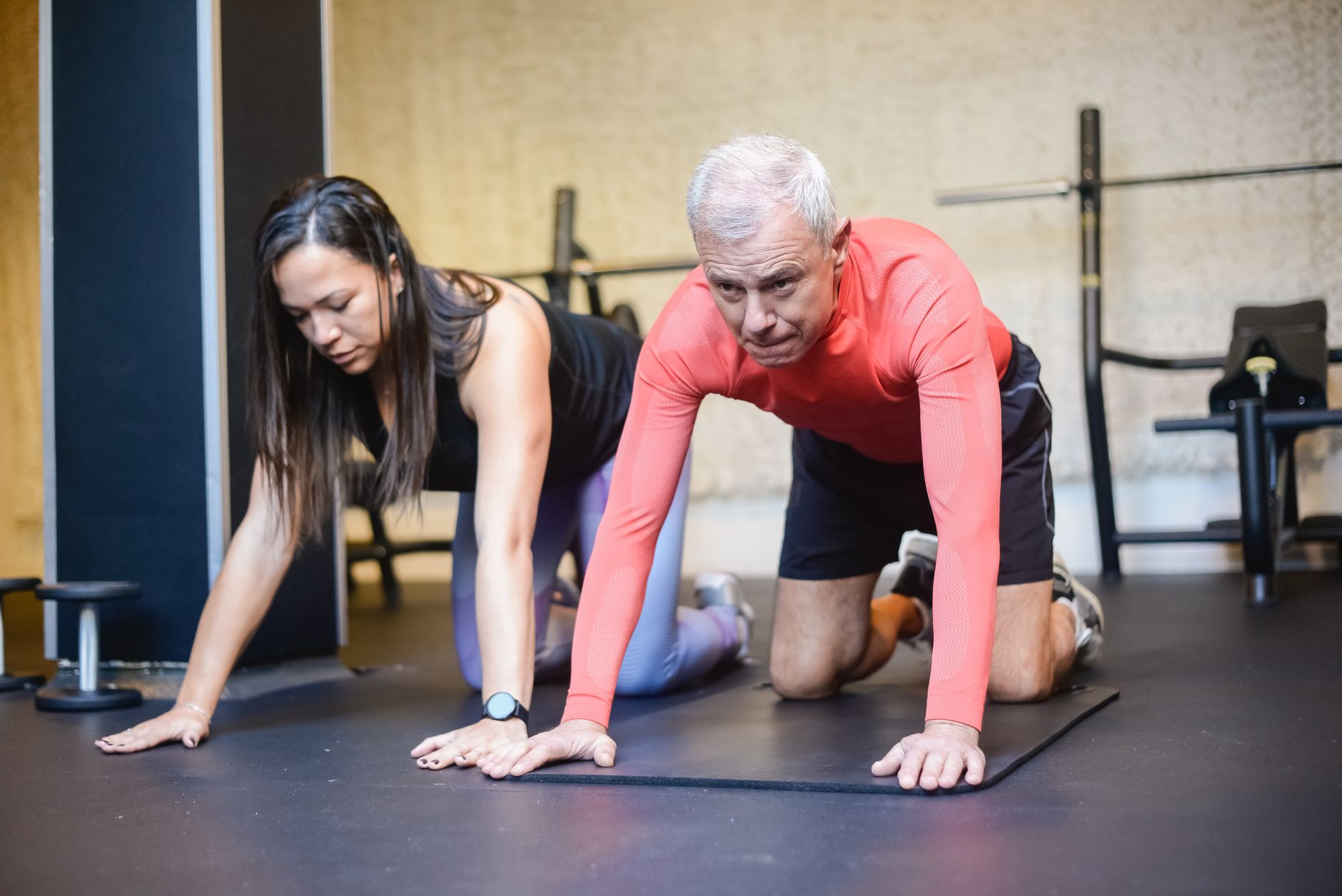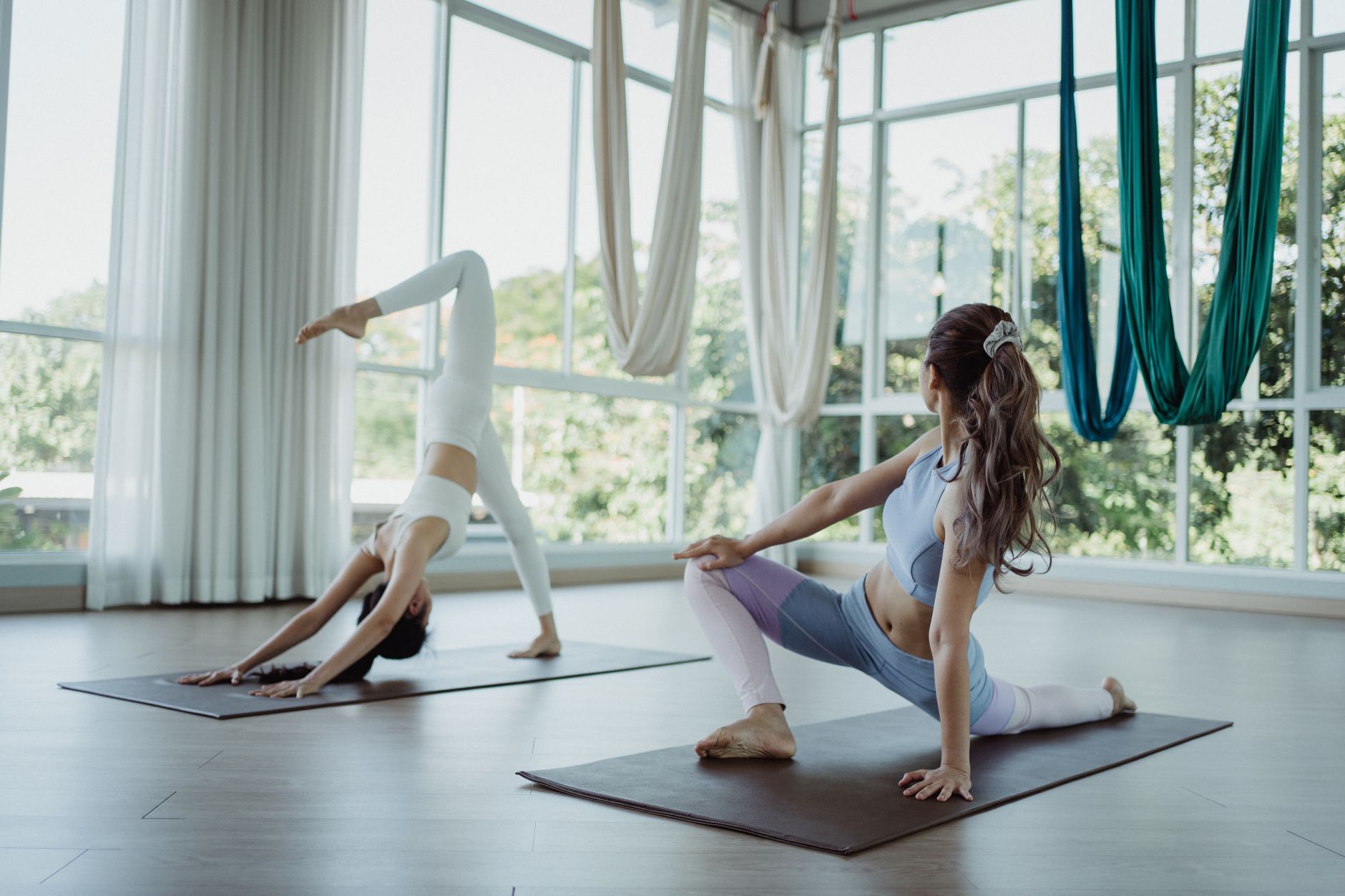
The fitness landscape for women is undergoing a significant transformation as 2026 approaches. Across gyms, wellness studios, and online fitness communities, a noticeable shift is occurring—women are moving away from punishing workout regimes and embracing a more holistic, sustainable approach to health and fitness.
The Decline of No-Pain-No-Gain Culture
For years, extreme workout programmes dominated the fitness industry. High-intensity interval training, marathon boot camps, and workout challenges promising dramatic transformations in 30 days attracted millions of participants. However, many women are now recognising that these approaches often led to burnout, injuries, and an unhealthy relationship with exercise.
The constant pressure to push through pain, ignore fatigue signals, and maintain unrealistic fitness schedules has left many feeling exhausted rather than energised. Social media's role in perpetuating comparison culture has also contributed to this fatigue, with endless images of gruelling workouts creating unrealistic expectations.
Understanding Sustainable Wellness
Sustainable wellness represents a fundamental shift in how women approach their health. Rather than viewing fitness as a short-term project with an end goal, this philosophy treats it as a lifelong practice that adapts to changing life circumstances, energy levels, and personal needs.
Key principles include listening to your body's signals, incorporating adequate rest and recovery, balancing different types of movement, and recognising that consistency matters more than intensity. This approach acknowledges that wellness extends beyond physical fitness to encompass mental health, nutrition, sleep quality, and stress management.
The Science Behind the Shift
Research increasingly supports this balanced approach. Studies have shown that chronic high-intensity exercise without adequate recovery can lead to elevated cortisol levels, hormonal imbalances, and compromised immune function—particularly concerning for women's health.
Recovery periods are when muscles actually grow stronger and the body adapts to training. Without sufficient rest, women risk overtraining syndrome, which can manifest as persistent fatigue, mood changes, increased injury risk, and disrupted menstrual cycles.
What Sustainable Fitness Looks Like
Women embracing sustainable wellness are diversifying their movement practices. This might include:
- Mixing moderate-intensity cardio with strength training and flexibility work
- Incorporating restorative practices like yoga, stretching, or walking
- Scheduling regular rest days without guilt
- Adapting workouts to menstrual cycle phases
- Prioritising sleep and nutrition alongside exercise
- Choosing activities they genuinely enjoy rather than those promising fastest results
The Mental Health Connection
The shift also reflects growing awareness of exercise's impact on mental health. While movement is beneficial for psychological wellbeing, excessive or compulsive exercise can become problematic. Sustainable wellness emphasises exercise as self-care rather than punishment, fostering a positive relationship with physical activity.
Many women report that stepping away from extreme fitness has reduced anxiety around missing workouts, improved body image, and created more mental space for other life priorities. The focus shifts from external appearance to how movement makes them feel—energised, strong, and capable.
The Role of Life Stages
Women's fitness needs change throughout life—during pregnancy, postpartum, perimenopause, and beyond. Sustainable wellness acknowledges these transitions, allowing for flexibility rather than rigid adherence to intense programmes that may not suit every life stage.
This adaptability makes long-term fitness maintenance more achievable. Rather than cycling through periods of extreme exercise followed by complete inactivity, women can maintain consistent, moderate activity levels that support health across decades.
Industry Response
The fitness industry is beginning to respond to this demand. More studios and trainers now offer low-impact, restorative classes. Fitness apps are incorporating recovery tracking and cycle-syncing features. Language around wellness is shifting from "crushing" workouts to "nourishing" the body.
Building Your Sustainable Practice
For those looking to transition toward sustainable wellness, start by assessing your current relationship with exercise. Are you exercising from a place of self-care or self-criticism? Do you listen to fatigue signals or push through regardless?
Consider working with professionals who understand balanced approaches—trainers certified in sustainable fitness, physiotherapists, or nutritionists who can help create personalised plans. Remember that sustainable wellness is individual; what works for others may not suit your body, schedule, or preferences.
The movement toward sustainable wellness represents not a rejection of fitness but a maturation of how we understand it. By prioritising long-term health over short-term results, women are building stronger foundations for lifelong wellbeing.
This article is for general informational purposes only and should not replace personalised advice from qualified healthcare or fitness professionals. Consult with appropriate experts before making significant changes to your exercise routine.