The humble plank has long been celebrated as a cornerstone exercise for core development, but modifying this static hold can unlock even greater benefits for strength, stability, and functional fitness. When celebrities share their fitness routines, it often brings attention to effective training techniques that deserve closer examination.
Understanding the Standard Plank
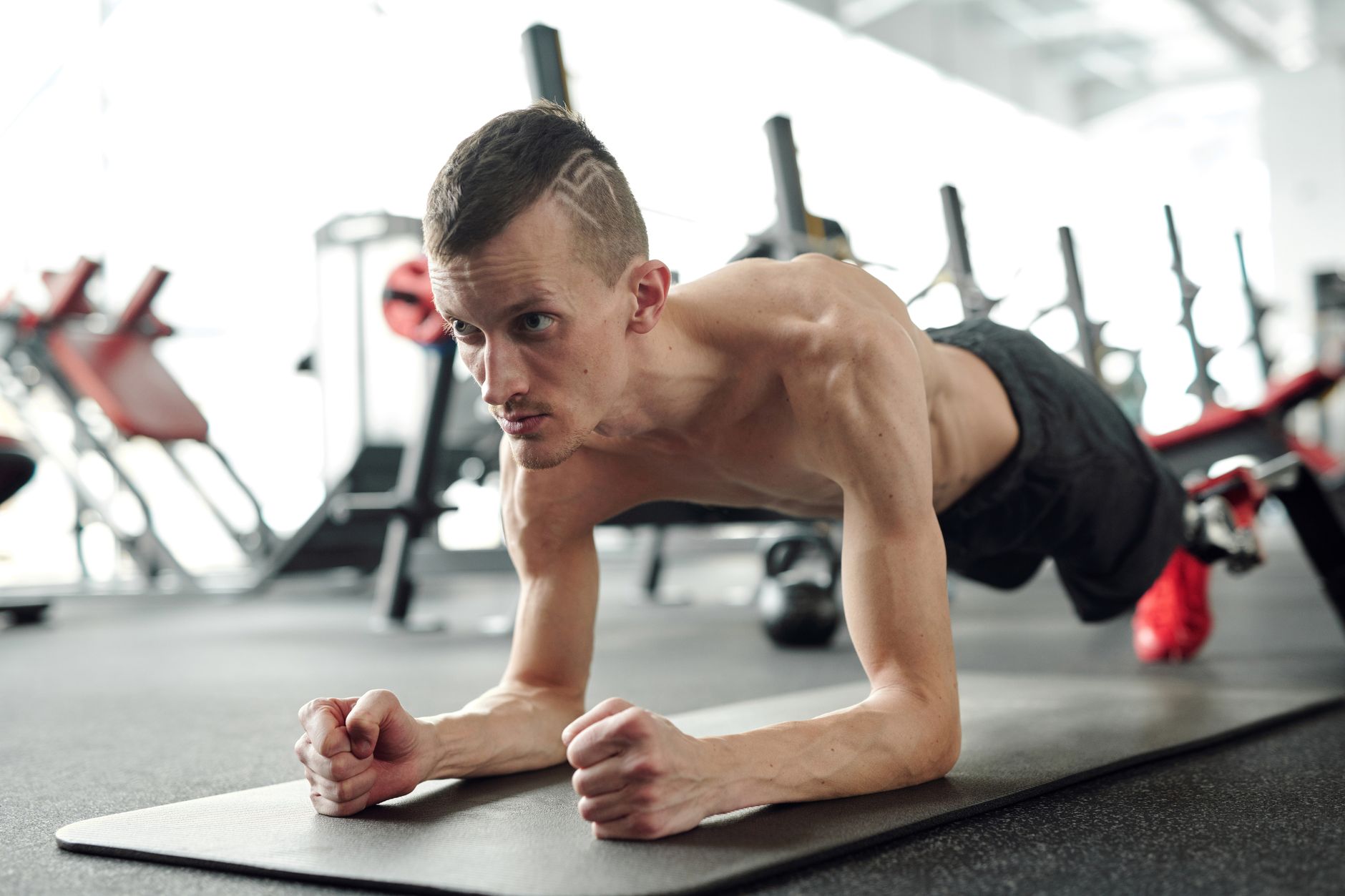
The traditional plank is an isometric exercise where you hold your body in a straight line, supported by your forearms and toes. This position engages multiple muscle groups simultaneously, including the rectus abdominis, transverse abdominis, obliques, lower back muscles, shoulders, and glutes. While effective, the standard plank can become routine and may not challenge all aspects of core stability equally.
What Modified Planks Offer
Modified plank variations introduce movement, asymmetry, or altered positioning that forces your core to work harder to maintain stability. These modifications can include:
- Side planks that target oblique muscles
- Plank walks or shoulder taps that add dynamic movement
- Single-leg planks that create instability
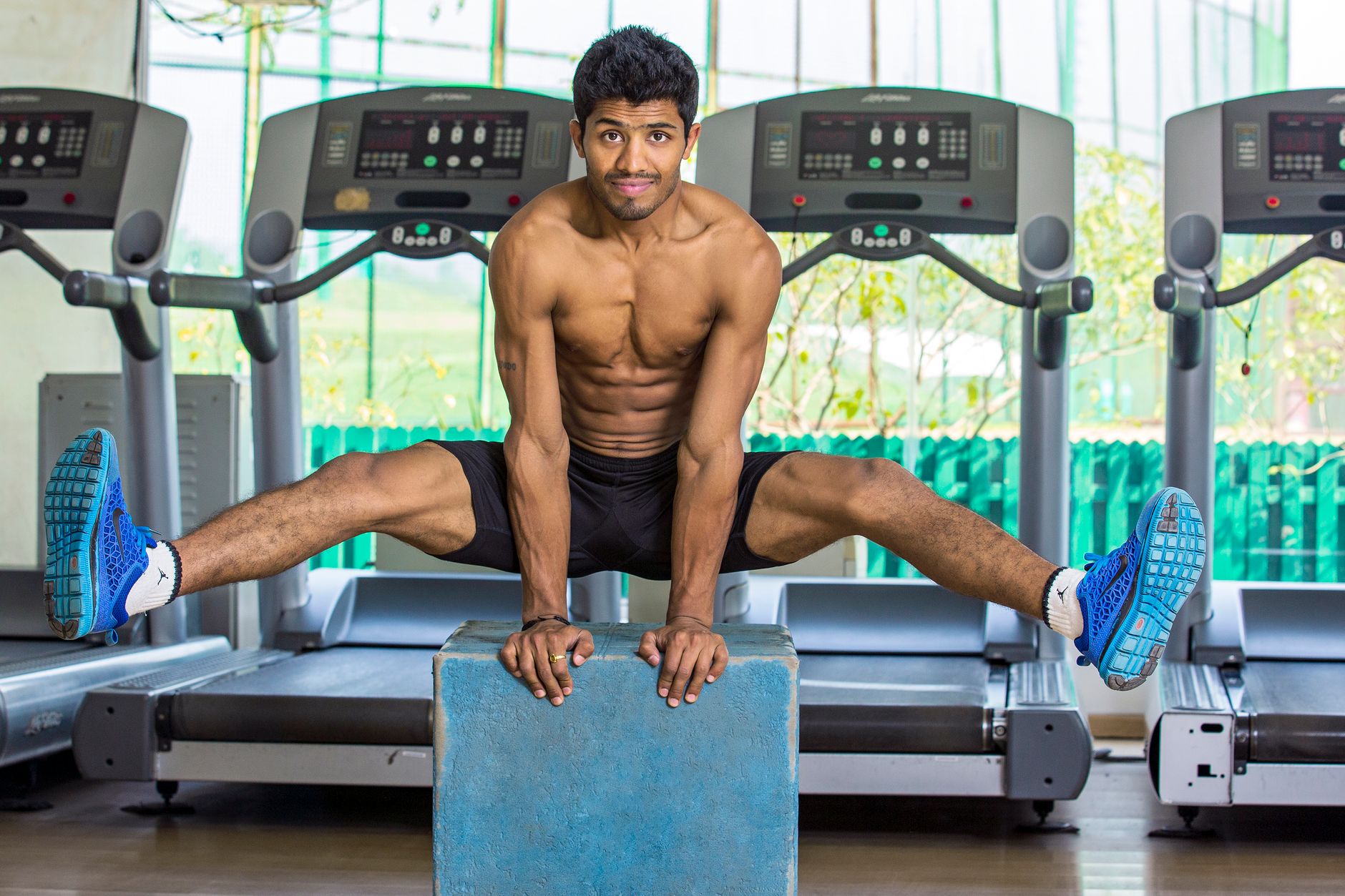
- Elevated planks with hands or feet on raised surfaces
- Plank rotations that engage twisting movements
- Forearm-to-hand transitions that challenge shoulder stability
Each variation shifts the emphasis to different muscle groups within the core complex while maintaining the fundamental stabilization challenge.
The Science Behind Core Strength Building
Your core is not a single muscle but a complex system of muscles that stabilize your spine and pelvis. The transverse abdominis acts like a natural weight belt, the obliques control rotation and side bending, and the rectus abdominis provides frontal support. Meanwhile, deep stabilizers like the multifidus protect your spine during movement.
Modified planks activate these muscles in varying patterns and intensities. When you introduce instability or movement into a plank position, your nervous system must recruit additional muscle fibers to prevent collapse. This enhanced recruitment leads to greater strength gains and improved neuromuscular coordination.
Benefits of Modified Plank Variations
Traditional planks can become less effective once your body adapts to the static hold. Modified versions prevent this plateau by continuously challenging your muscles in new ways.
Progressive overload is essential for building strength. By altering plank positions, you create new stimulus for muscle adaptation without necessarily adding external weight. This makes modified planks particularly valuable for those who exercise at home without equipment.
Modified planks also improve functional fitness by mimicking real-world movement patterns. Daily activities rarely involve holding perfectly still positions; they require dynamic stability as you reach, twist, and balance. Training these movement patterns through modified planks translates directly to improved performance in sports and daily life.
Accessibility and Injury Prevention
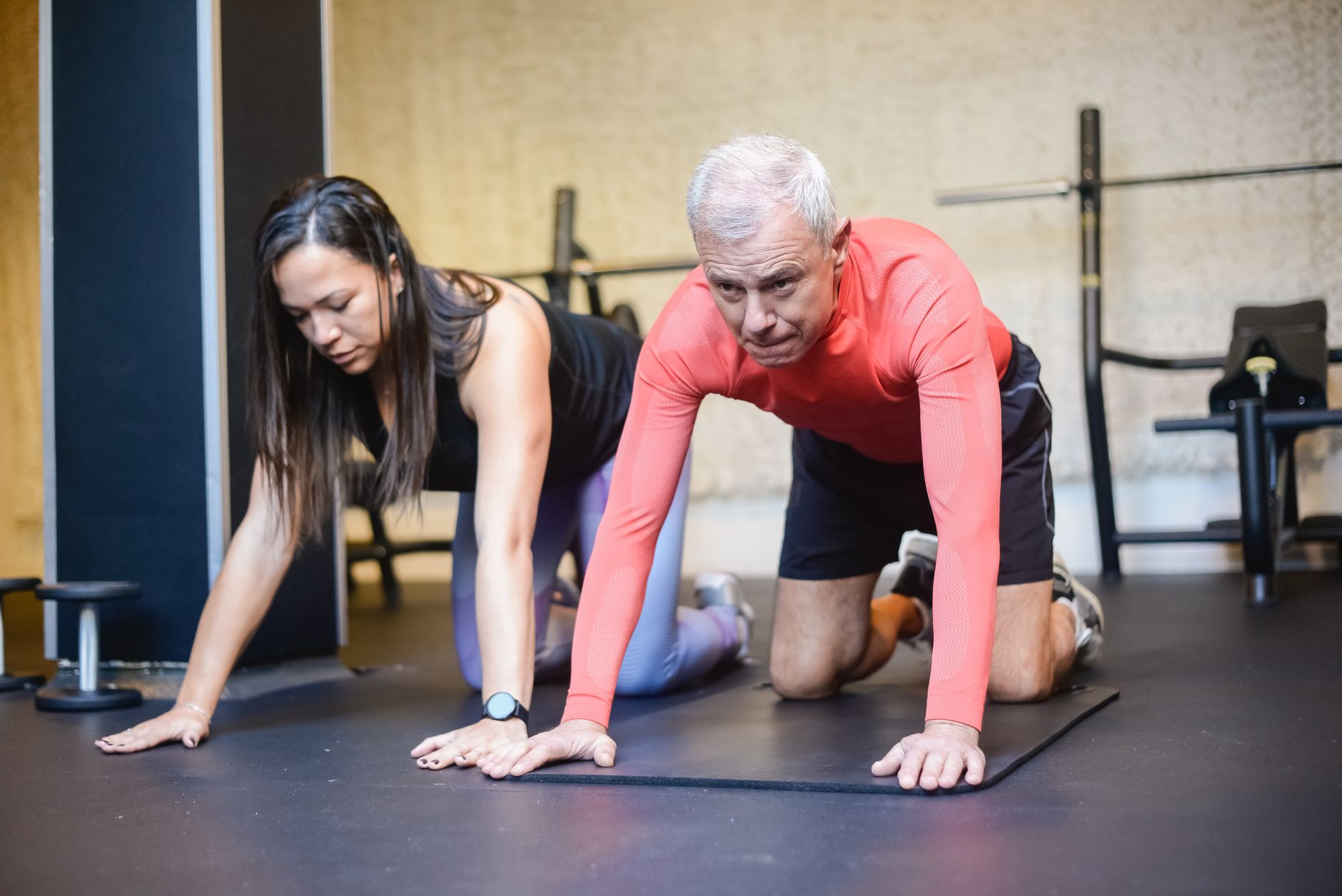
Another advantage of modified planks is their adaptability to different fitness levels. Beginners can start with knee planks or incline planks against a wall or bench, gradually progressing to more challenging variations. This scalability makes core training accessible to virtually everyone while reducing injury risk associated with attempting exercises beyond one's current capacity.
The variety offered by modifications also prevents overuse injuries that can develop from repetitive stress on the same muscles and joints. By rotating through different plank variations, you distribute training stress more evenly across your musculoskeletal system.
How to Incorporate Modified Planks
For optimal results, include two to three plank variations in each workout session. Hold each position for 20 to 60 seconds, performing two to four sets depending on your fitness level. Focus on quality over duration—maintaining proper form is more important than holding a compromised position for longer.
Begin with simpler modifications and gradually progress to more complex variations as your strength improves. Listen to your body and avoid pushing through sharp pain, which signals potential injury rather than productive muscle fatigue.
Key Form Considerations
Regardless of the variation, certain principles remain constant. Maintain a neutral spine without sagging hips or raised buttocks. Engage your core by drawing your navel toward your spine. Breathe steadily rather than holding your breath, which can spike blood pressure unnecessarily. Keep your neck in line with your spine by looking slightly ahead of your hands rather than straight down.
Modified planks offer a sustainable, progressive approach to building core strength that accommodates all fitness levels while preventing training stagnation. By understanding and applying these variations strategically, you can develop the deep core stability that supports all physical activities.
This article is for general informational purposes only and does not constitute medical or fitness advice. Consult with a qualified healthcare provider or certified fitness professional before beginning any new exercise program, especially if you have pre-existing health conditions or injuries.