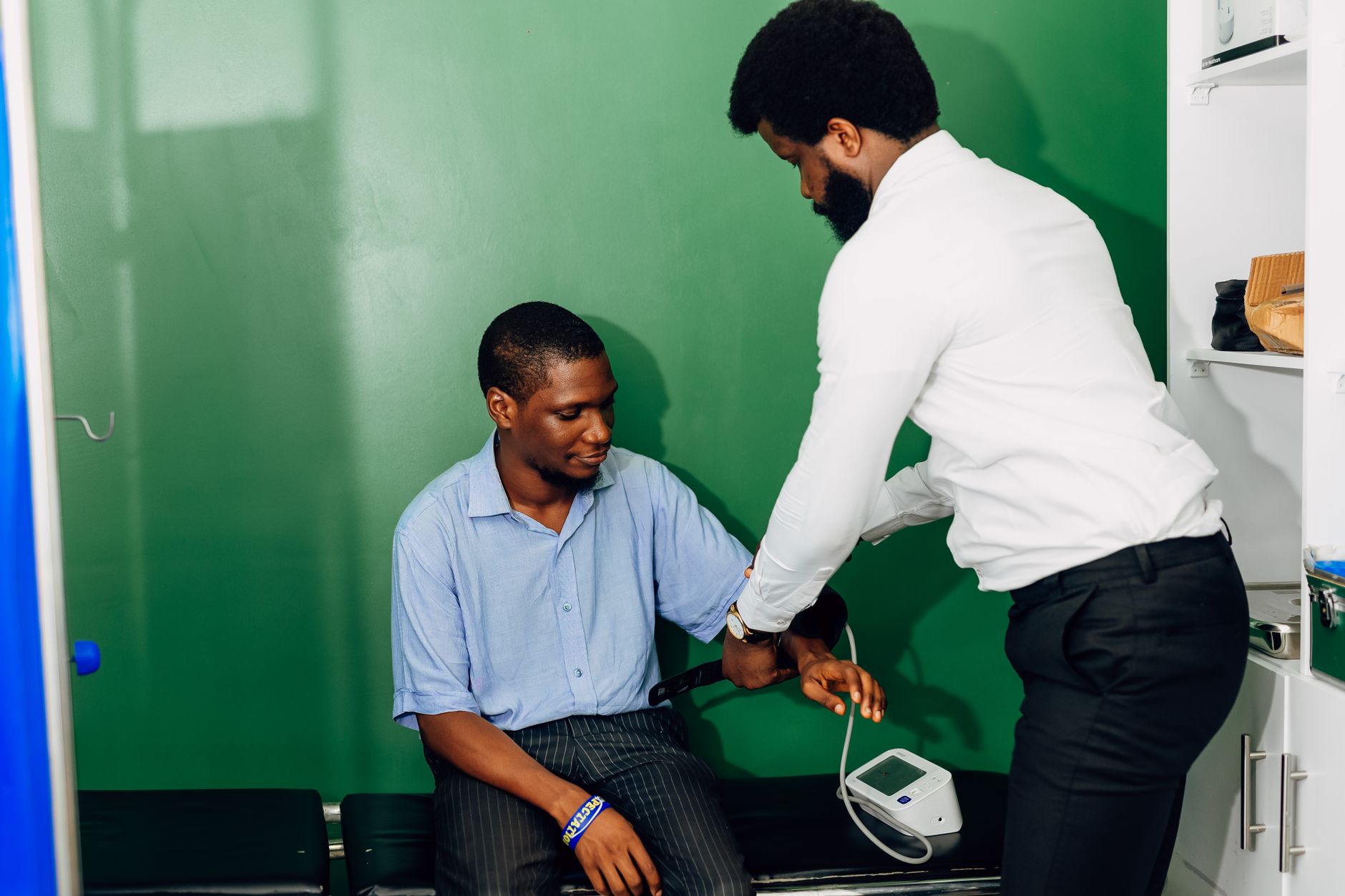
India's healthcare system operates on a three-tiered structure, with primary healthcare forming the foundation. This first level of contact between individuals and the health system handles approximately 80% of all medical concerns, making it the most critical component in the nation's fight against disease and ill health.
Understanding Primary Healthcare
Primary healthcare encompasses basic medical services delivered at the community level through health sub-centres, primary health centres, and community health centres. These facilities provide essential services including preventive care, health education, treatment of common illnesses, maternal and child health services, immunisation programmes, and management of chronic conditions like diabetes and hypertension.
Unlike secondary and tertiary care that deal with specialised treatments and complex procedures, primary healthcare focuses on accessible, affordable, and comprehensive services that address the majority of health needs within local communities.
The Economic Case for Strong Primary Care
India's healthcare expenditure faces significant pressure from the burden of treating advanced diseases in expensive tertiary hospitals. When patients bypass primary care facilities and directly approach specialist hospitals for minor ailments, it creates inefficiency in resource allocation and drives up costs.
Research indicates that every rupee invested in primary healthcare yields returns multiple times over by preventing costly hospitalisations and emergency interventions. Early detection and management of conditions like hypertension, diabetes, and infectious diseases at the primary level prevents progression to expensive complications requiring tertiary care.
Reducing Disease Burden Through Prevention
Primary healthcare centres serve as the first line of defence by implementing preventive measures that stop diseases before they start. Immunisation drives administered at these facilities have helped India achieve remarkable success in eradicating polio and reducing the incidence of measles, diphtheria, and other vaccine-preventable diseases.
Health workers at primary centres conduct regular screening camps for non-communicable diseases, identifying at-risk individuals before conditions worsen. This proactive approach has proven particularly valuable in managing the rising tide of lifestyle diseases affecting urban and rural populations alike.
Bridging the Urban-Rural Healthcare Gap
India's rural population, comprising nearly 65% of the total, depends heavily on primary healthcare infrastructure for medical access. Without robust primary care networks, these communities would face severe challenges in obtaining even basic health services.
Primary health centres in rural areas provide essential maternal health services, significantly reducing maternal and infant mortality rates. Skilled birth attendants, antenatal check-ups, and postnatal care delivered through these facilities have transformed reproductive health outcomes across the country.
Addressing the Implementation Challenges
Despite its critical importance, India's primary healthcare system faces persistent challenges. Shortage of qualified medical professionals willing to work in rural areas remains a major obstacle. Many primary health centres operate with vacancies in doctor and nursing positions, compromising service quality.
Infrastructure gaps, including inadequate diagnostic facilities, irregular medicine supplies, and poor maintenance of existing centres, further weaken the system. Additionally, low public awareness about available services and persistent preference for private practitioners even for minor ailments reduce the utilisation of government primary care facilities.
The Way Forward
Strengthening primary healthcare requires multi-pronged interventions. Increasing budgetary allocations to improve infrastructure and ensure regular supply of essential medicines forms the foundation. Incentivising medical professionals to serve in underserved areas through better compensation, career growth opportunities, and improved living conditions can address staffing shortages.
Integrating technology through telemedicine, electronic health records, and mobile health applications can extend the reach of primary care services. Several states have successfully implemented digital health initiatives that connect primary centres with specialists at district hospitals, enabling better diagnosis and treatment recommendations.
Community participation through village health committees and awareness campaigns can improve utilisation rates and make primary healthcare more responsive to local needs. Empowering ASHA workers and other frontline health workers with training and resources enhances the system's ability to identify and address health concerns at the earliest stage.
Conclusion
Primary healthcare represents India's most cost-effective strategy for improving population health outcomes. By catching diseases early, preventing complications, and providing accessible basic care, this foundation tier protects both individual wellbeing and national economic productivity. Continued investment and reform in primary healthcare infrastructure will determine India's success in building a truly universal and efficient health system.
This article is for general information purposes only and should not replace professional medical advice. Please consult qualified healthcare providers for specific health concerns.