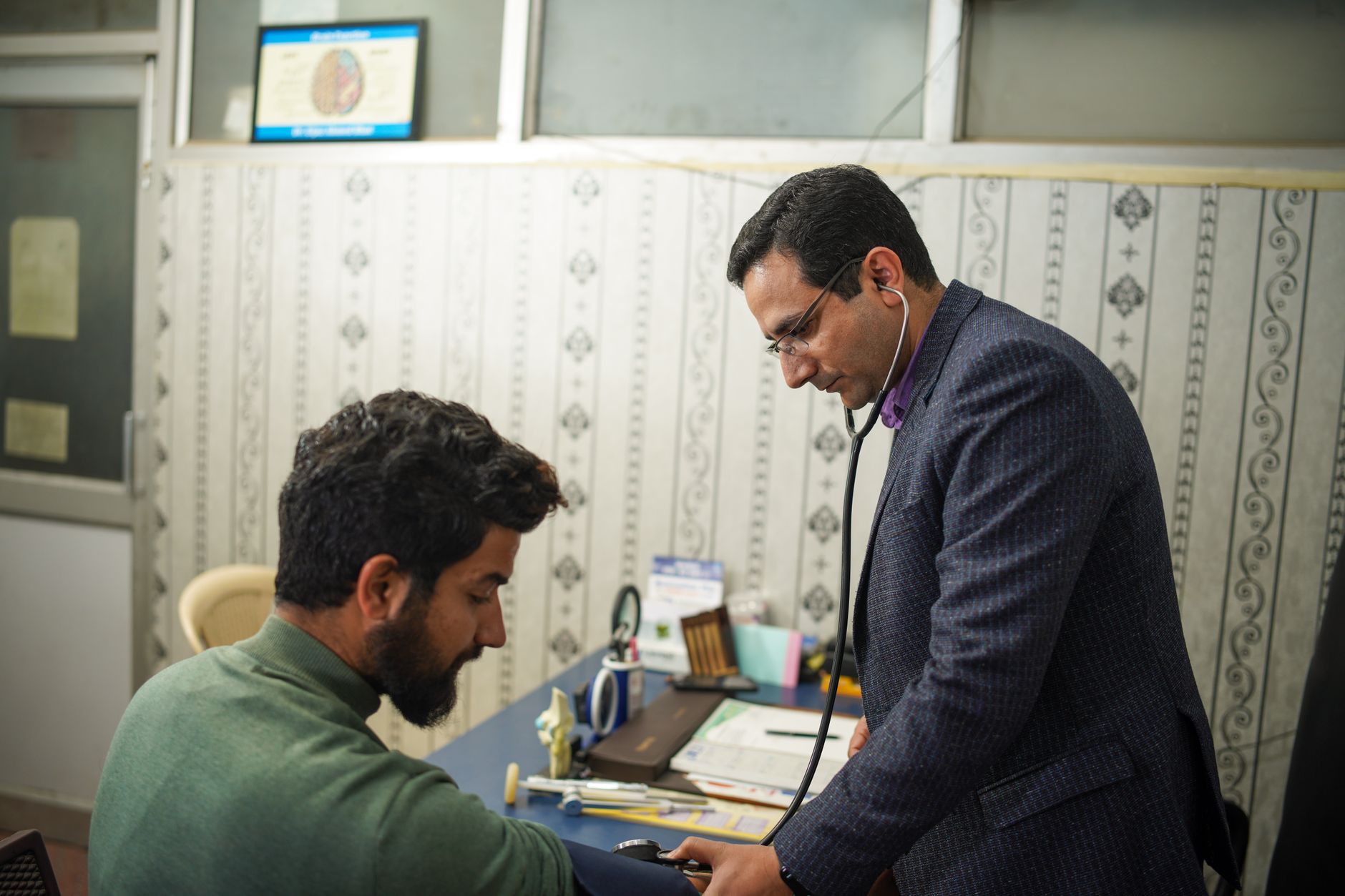
India stands at a critical juncture in its healthcare journey. With over 1.4 billion people, the nation grapples with a dual burden of communicable diseases and a rapidly growing prevalence of non-communicable diseases. The current treatment-focused approach strains both public resources and household budgets, making a compelling case for preventive healthcare to take center stage.
The Rising Burden of Lifestyle Diseases
Non-communicable diseases such as diabetes, hypertension, cardiovascular conditions, and cancer now account for approximately 65% of all deaths in India. The country is home to over 77 million diabetics, making it the second-highest globally. Urban lifestyles characterized by sedentary habits, processed foods, stress, and inadequate sleep have accelerated this epidemic.
The economic impact extends beyond medical bills. Families often deplete savings or fall into debt to manage chronic conditions that could have been prevented or detected early. Productivity losses from illness and premature deaths further strain the economy, with estimates suggesting lifestyle diseases cost India billions of dollars annually.
Why Prevention Makes Economic Sense
Preventive healthcare operates on a simple principle: stopping diseases before they start costs significantly less than treating them later. A diabetes prevention program might cost a few thousand rupees per person annually, while managing advanced diabetes with complications can run into lakhs over a lifetime.
- Regular health screenings can detect conditions like hypertension and high cholesterol early, when lifestyle modifications alone might suffice
- Vaccination programs prevent infectious diseases at a fraction of treatment costs
- Workplace wellness initiatives reduce absenteeism and improve productivity
- Community health education empowers people to make informed choices about nutrition and exercise
Countries that have invested heavily in preventive healthcare, such as Japan and Singapore, demonstrate lower healthcare costs per capita despite aging populations and longer life expectancies.
Barriers to Prevention in India
Despite its clear benefits, preventive healthcare faces multiple obstacles in the Indian context. Awareness remains low, particularly in rural areas where nearly 65% of the population resides. Many people only seek medical attention when symptoms become severe, missing opportunities for early intervention.
Healthcare infrastructure remains skewed toward curative services. Most government health budgets allocate minimal resources to prevention, wellness programs, and health education. The existing primary healthcare centers, which should be prevention hubs, often lack basic diagnostic equipment and trained personnel.
Cultural factors also play a role. Traditional beliefs sometimes delay modern medical interventions, and preventive health practices may be seen as unnecessary expenses rather than investments. Additionally, the mushrooming of quackery and unverified health information on social media complicates public health messaging.
Building a Prevention-First System
Transforming India's healthcare approach requires coordinated action across multiple fronts. Government policies must prioritize funding for preventive programs, from school health education to workplace wellness mandates. The Ayushman Bharat program's Health and Wellness Centers represent a step in this direction, but implementation remains inconsistent.
Technology offers promising solutions. Mobile health applications can deliver personalized health advice, medication reminders, and teleconsultations to remote areas. Wearable devices make monitoring vital signs accessible and affordable. Data analytics can identify at-risk populations and enable targeted interventions.
Medical education must evolve to emphasize prevention alongside treatment. Training doctors to counsel patients on lifestyle modifications, recognizing early warning signs, and understanding social determinants of health would create a more holistic healthcare workforce.
The Role of Individual Responsibility
While systemic changes are essential, individual actions remain the cornerstone of prevention. Regular physical activity, balanced nutrition, adequate sleep, stress management, and avoiding tobacco and excessive alcohol can prevent most lifestyle diseases.
Annual health check-ups, even when feeling healthy, enable early detection of silent conditions. Maintaining healthy body weight, monitoring blood pressure and blood sugar levels, and staying updated with vaccinations are simple yet powerful preventive measures.
A Healthier Future Within Reach
India's demographic dividend—a young, productive population—could become a liability if health deteriorates prematurely. Conversely, investing in prevention could unleash unprecedented economic growth by maintaining a healthy workforce while reducing healthcare expenditure.
The path forward demands political will, adequate funding, public-private partnerships, and sustained community engagement. Success stories from states like Kerala, which has better health indicators despite modest income levels, demonstrate that prioritization and implementation matter more than resources alone.
This article is for general informational purposes only and does not constitute medical advice. Readers should consult qualified healthcare professionals for personalized health recommendations and before making significant changes to their health routines.