The Public Distribution System (PDS) in India provides subsidised food grains to millions of households, yet beneficiaries frequently complain about the poor quality of ration rice. Understanding why this happens requires examining the economic and logistical framework behind the world's largest food security programme.
The Procurement and Distribution Chain
The government procures rice from farmers at Minimum Support Price (MSP) through agencies like the Food Corporation of India (FCI). This rice then moves through multiple stages—storage in godowns, transportation across states, and finally distribution through Fair Price Shops. Each stage introduces potential quality deterioration.
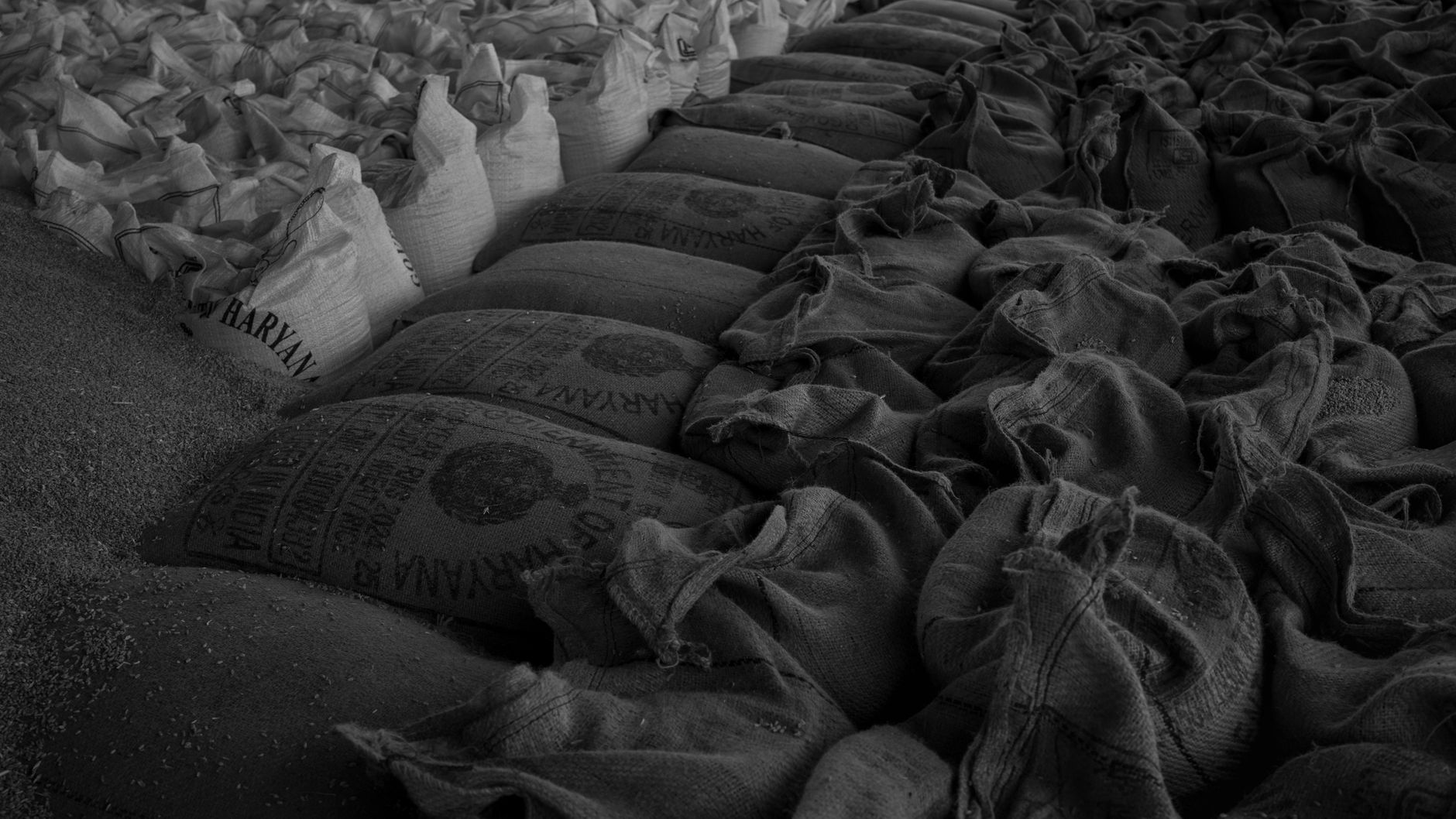
The lengthy supply chain means rice may sit in storage for extended periods. Government warehouses often face capacity constraints during peak procurement seasons, leading to outdoor storage in some regions. Exposure to moisture, pests, and temperature variations during storage and transit directly impacts grain quality.
Economic Incentives and Grade Standards
The MSP mechanism primarily incentivises quantity over quality. Farmers receive the same price regardless of rice variety or grade, as long as minimum specifications are met. This creates little motivation to supply premium quality grains to government procurement centres.
Additionally, the government accepts common and Grade-A rice varieties, but the specifications focus on basic parameters like moisture content and broken grain percentage. There is limited emphasis on taste, texture, or nutritional characteristics that consumers value.
The Cost-Subsidy Balance
India's food subsidy bill runs into lakhs of crores annually. To keep fiscal commitments manageable while serving over 80 crore beneficiaries under the National Food Security Act, the government must balance subsidy costs with coverage.
- The subsidy amount per kilogram limits the quality of rice that can be economically distributed
- Higher quality rice would require either reduced coverage or increased government expenditure
- Political considerations often favour broader coverage over premium quality
This fundamental trade-off means the system prioritises affordability and reach rather than superior grain quality.
Storage Infrastructure Challenges
Despite improvements in recent years, India's grain storage infrastructure remains inadequate for the enormous quantities handled. The FCI and state agencies manage buffer stocks of several crore tonnes, but storage facilities vary widely in quality.
Older warehouses may lack proper ventilation, pest control, or moisture management systems. Even when rice is procured at acceptable quality, deterioration during storage becomes inevitable. The first-in-first-out principle is not always strictly followed, meaning older stock sometimes reaches consumers.
Diversion and Fair Price Shop Dynamics
Fair Price Shop owners operate on thin margins, receiving small commissions per kilogram sold. This creates perverse incentives where some dealers may divert better quality grains to the open market and substitute inferior quality rice in PDS supplies.
While biometric authentication and digitalisation have reduced large-scale diversion, quality substitution remains harder to monitor. Random quality checks do occur, but enforcement across India's lakhs of ration shops presents practical challenges.
State-Level Variations
PDS is a concurrent subject, meaning implementation varies by state. Some states like Chhattisgarh and Odisha have invested heavily in modernising their distribution systems, resulting in better quality outcomes. Others continue to struggle with outdated infrastructure and weak monitoring.
States with decentralised procurement often achieve better quality control than those relying entirely on central pool stocks. Local procurement can mean fresher rice and varieties suited to regional preferences.
The Investment Angle
For investors and policymakers, improving PDS quality represents both a challenge and an opportunity. The government has begun investing in:
- Modern silo storage facilities with controlled atmospheres
- Technology platforms for transparent tracking from farm to consumer
- Public-private partnerships in grain storage and logistics
- Better quality testing equipment at procurement and distribution points
These infrastructure investments require substantial capital but can significantly improve outcomes. Companies involved in food storage, logistics, and agri-tech stand to benefit as modernisation continues.
The Path Forward
Addressing ration rice quality requires systemic reforms including differential pricing based on quality grades, accelerated infrastructure development, stronger accountability mechanisms for dealers, and potentially, cash transfers allowing beneficiaries to purchase from the open market.
Each approach involves trade-offs between fiscal costs, administrative complexity, and political feasibility. The quality question ultimately reflects broader debates about subsidy design, government efficiency, and food security priorities in a developing economy.
This article is for general informational purposes only and does not constitute financial or policy advice. Readers should conduct their own research or consult appropriate professionals before making investment decisions related to agricultural infrastructure or commodity markets.