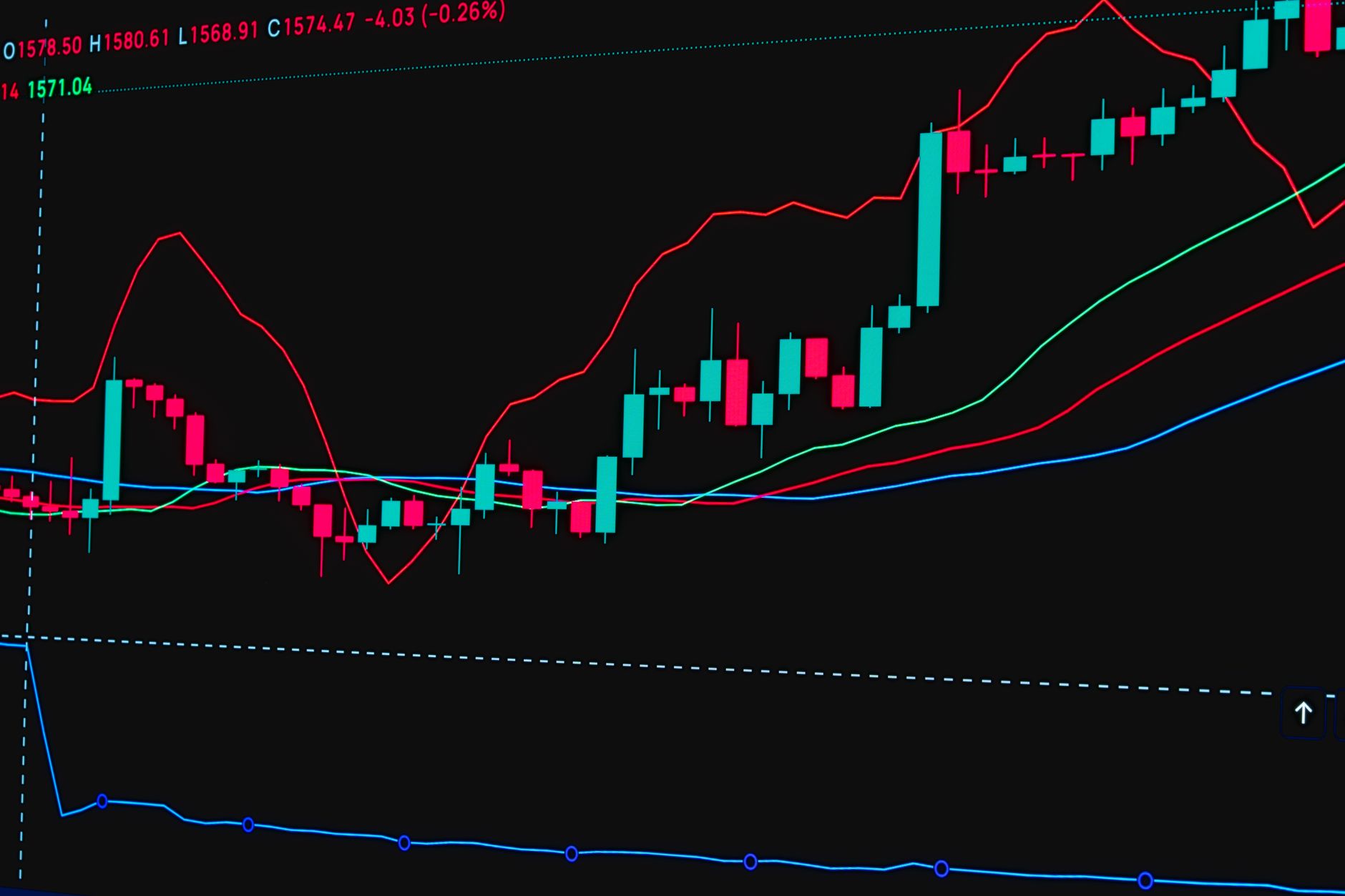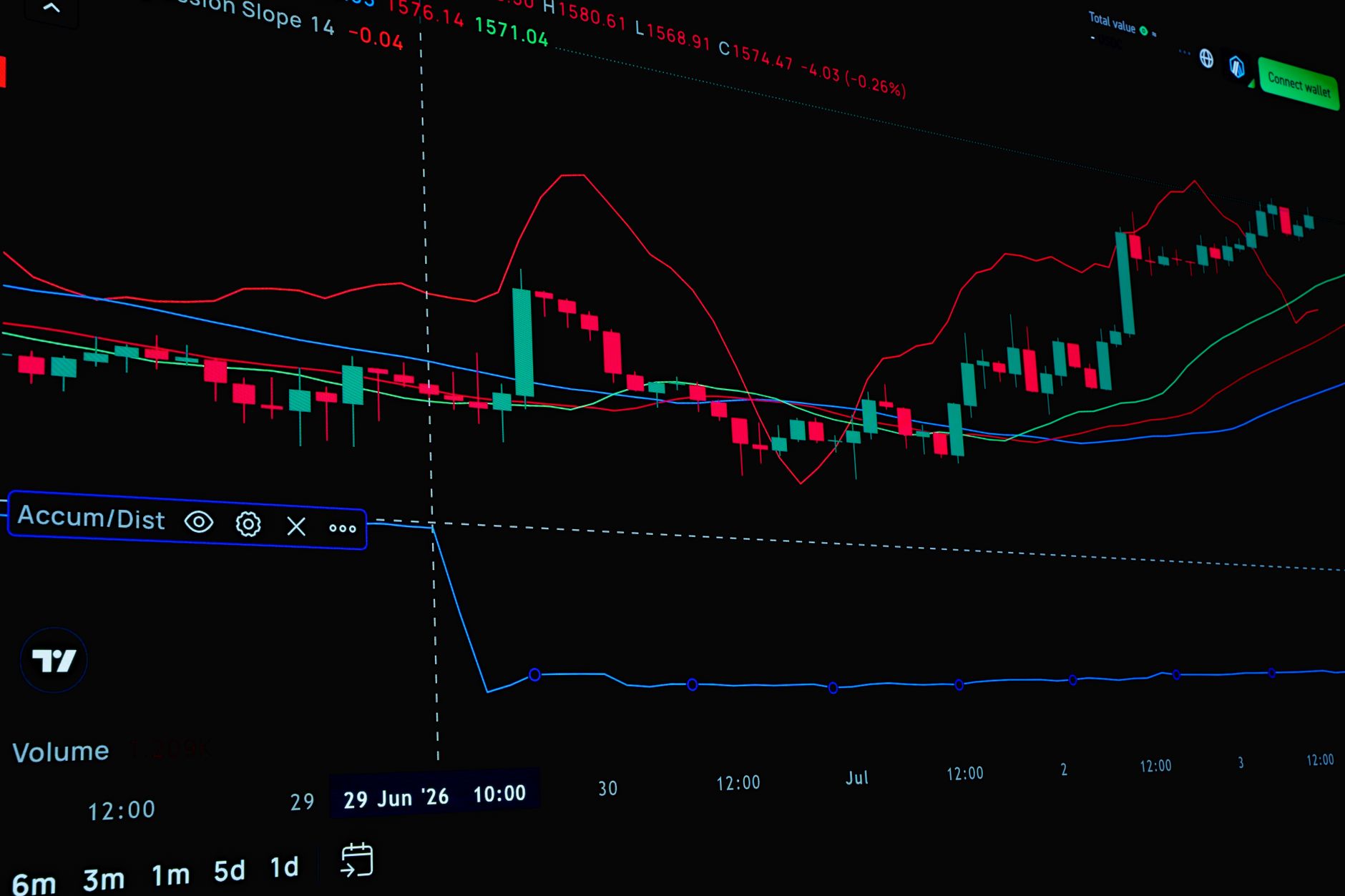
India's stock market has captured the attention of investors worldwide, and recent projections suggest that the Nifty 50 index could reach unprecedented levels by the end of 2026. This optimistic outlook reflects confidence in India's economic trajectory and the growth potential of the country's leading companies.
Understanding the Nifty 50 Index
The Nifty 50 is India's benchmark stock market index, comprising 50 of the largest and most liquid companies listed on the National Stock Exchange (NSE). These companies represent diverse sectors including banking, information technology, energy, pharmaceuticals, and consumer goods. The index serves as a barometer for the overall health of the Indian equity market and economy.
When market experts predict new highs for the Nifty 50, they are essentially expressing confidence in the collective performance of India's corporate sector and the broader economic environment.
Factors Supporting the Bullish Outlook
Several fundamental factors contribute to the positive forecast for Indian equities over the next few years.
India's GDP growth remains among the highest globally, driven by robust domestic consumption, government infrastructure spending, and digital transformation across sectors. A growing middle class with increasing purchasing power continues to fuel demand for goods and services, benefiting companies across the index.
Corporate earnings growth is expected to remain strong as companies benefit from operational efficiencies, technology adoption, and market expansion. Many Indian corporations have demonstrated resilience and adaptability, positioning themselves well for future growth.
The government's continued focus on reforms, ease of doing business, and initiatives like Make in India and Production-Linked Incentive schemes could boost manufacturing and attract foreign investment, supporting equity valuations.
Key Sectors to Watch
- Information Technology: India's IT sector continues to be a global leader in services and digital transformation
- Banking and Financial Services: The BFSI sector benefits from financial inclusion initiatives and credit growth
- Consumer Goods: Rising disposable incomes drive demand for both essential and discretionary products
- Infrastructure and Capital Goods: Government spending on infrastructure creates opportunities for related companies
- Pharmaceuticals: India's position as the pharmacy of the world supports long-term growth prospects
Risks and Considerations
While the outlook appears positive, investors should remain aware of potential headwinds that could impact market performance.
Global economic conditions, including interest rate policies by major central banks, can influence foreign institutional investor flows into Indian markets. Geopolitical tensions and trade disruptions could affect export-oriented sectors.
Domestic factors such as inflation, monsoon patterns affecting agriculture, and policy changes can create volatility. Valuations of Indian equities have historically traded at premium compared to some emerging markets, which could limit upside if earnings growth disappoints.
What This Means for Individual Investors
For those invested in or considering Indian equities, these projections offer both opportunity and responsibility. A long-term positive outlook supports the case for systematic investment through vehicles like mutual funds or exchange-traded funds that track the Nifty 50.
However, market forecasts, even from respected experts, are not guarantees. Markets move in cycles, and the path to any eventual high is rarely linear. Investors may experience significant volatility and corrections along the way.
Diversification remains crucial. While the Nifty 50 represents leading companies, no single index captures all investment opportunities. Consider exposure across market capitalizations, sectors, and asset classes based on your risk profile and financial goals.
Strategic Approach to Equity Investing
Rather than trying to time the market based on predictions, focus on disciplined investment practices. Systematic Investment Plans (SIPs) allow investors to accumulate units across different price levels, reducing the impact of market timing.
Regular portfolio reviews ensure your asset allocation remains aligned with your financial objectives. As markets rise, rebalancing may be necessary to maintain appropriate risk levels.
Stay informed about macroeconomic trends, corporate developments, and policy changes, but avoid making impulsive decisions based on short-term market movements or headlines.
This article is for general information purposes only and should not be considered as investment advice. Market forecasts are subject to uncertainty and actual results may differ materially. Investors should conduct their own research, assess their risk tolerance, and consider consulting with a qualified financial advisor before making investment decisions. Past performance does not guarantee future results.