India has made significant strides in reducing preventable blindness over the past two decades, yet a critical segment of the population continues to face disproportionate barriers to eye care: people with disabilities. Recent advocacy efforts highlight how disability-inclusive approaches to eye health aren't just about equality—they're essential for achieving truly universal healthcare coverage.
The Intersection of Disability and Vision Loss
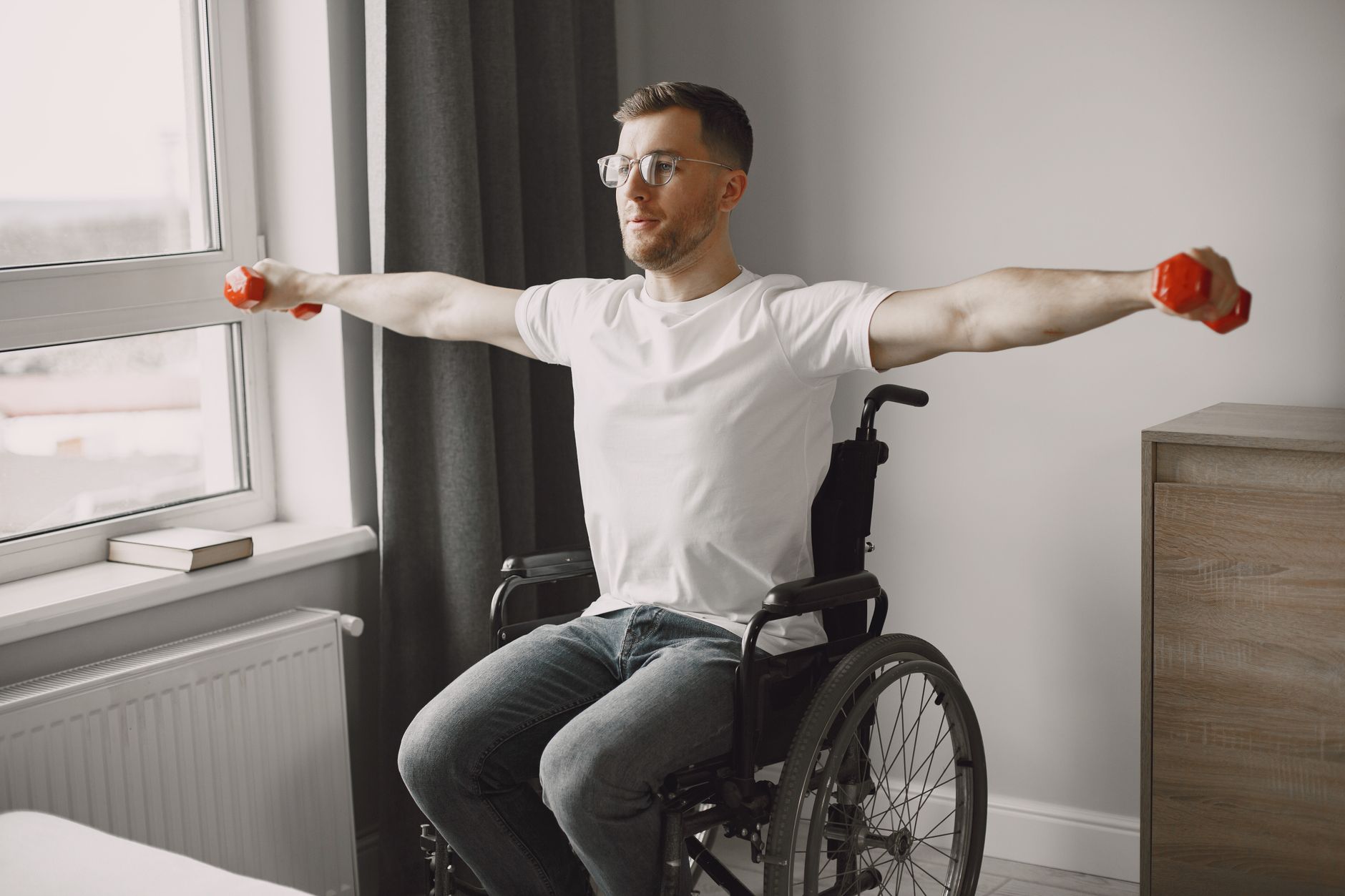
People with disabilities in India face a double burden when it comes to eye health. Not only are they more likely to experience vision problems due to various underlying conditions, but they also encounter systemic obstacles in accessing eye care services. These barriers range from physical inaccessibility of healthcare facilities to communication challenges and socioeconomic factors that limit their ability to seek timely treatment.
Studies indicate that individuals with intellectual disabilities, mobility impairments, or other conditions often have undiagnosed refractive errors or treatable eye diseases simply because routine screening programs aren't designed with their needs in mind. This creates a cycle where disability and vision impairment compound each other, further limiting opportunities for education, employment, and social participation.
Barriers to Eye Care Access
The challenges facing people with disabilities seeking eye care in India are multifaceted:
- Physical infrastructure of hospitals and clinics often lacks ramps, accessible toilets, or appropriate signage for those with mobility or sensory impairments
- Communication barriers prevent effective consultation, especially for those with hearing impairments or speech difficulties
- Specialized equipment and examination techniques needed for patients who cannot follow standard testing protocols are frequently unavailable
- Transportation challenges make reaching eye care facilities difficult, particularly in rural areas
- Stigma and discrimination sometimes result in healthcare providers overlooking the eye health needs of people with disabilities
- Economic constraints disproportionately affect people with disabilities, who often have limited income and higher overall healthcare costs
The Case for Inclusive Eye Health Programs
Disability-inclusive eye health isn't a separate or specialized field—it's about ensuring that existing eye care services are designed to accommodate everyone. This approach benefits not only people with disabilities but improves healthcare delivery overall by creating more patient-centered, accessible systems.
International frameworks like the UN Convention on the Rights of Persons with Disabilities recognize healthcare access as a fundamental right. For India, with an estimated 26.8 million people with disabilities according to the 2011 census—though actual numbers are likely higher—integrating disability inclusion into national eye health programs is both a human rights imperative and a practical necessity.
Key Strategies for Implementation
Transforming India's eye care system to be truly inclusive requires coordinated action across multiple levels:
Healthcare providers need training in disability awareness and techniques for examining patients with different types of disabilities. This includes understanding how to communicate with sign language users, how to conduct eye examinations for patients with intellectual disabilities, and how to modify procedures for those with mobility limitations.
Infrastructure improvements must extend beyond urban tertiary care centers to primary health centers and community screening camps. Simple modifications like portable ramps, clear visual and tactile signage, and accessible toilets can dramatically improve access.
Outreach programs should specifically target people with disabilities, recognizing that they may not access mainstream health information campaigns. Partnerships with disability organizations can help identify unmet needs and design culturally appropriate interventions.
Policy frameworks need to explicitly include disability considerations in national eye health strategies, with dedicated funding and accountability mechanisms to ensure implementation.
Technology as an Enabler
Digital health technologies offer promising solutions for improving accessibility. Telemedicine can reduce the need for physical travel, mobile screening units can reach people in their communities, and assistive technologies can facilitate better communication between patients and providers. However, these technological solutions must themselves be designed with accessibility in mind to avoid creating new barriers.
The Path Forward
As India works toward its vision health goals, the inclusion of people with disabilities isn't optional—it's fundamental to achieving universal eye health coverage. This requires shifting from viewing people with disabilities as beneficiaries of charity to recognizing them as rights-holders who deserve equal access to quality healthcare.
The benefits extend beyond individual patients. When healthcare systems become more accessible and inclusive, they become more responsive and effective for everyone, creating a stronger foundation for public health as a whole.
This article provides general information about disability-inclusive healthcare and should not replace professional medical or policy advice. Readers with specific healthcare needs should consult qualified healthcare providers, and those involved in healthcare planning should engage with disability rights experts and affected communities.