The incident of a 47-year-old doctor collapsing at a gym in Assam has once again brought attention to the phenomenon of sudden cardiac arrest during exercise. While physical activity is generally beneficial for heart health, certain conditions and circumstances can make workouts dangerous, even fatal.
What Is Sudden Cardiac Arrest?
Sudden cardiac arrest (SCA) is an abrupt loss of heart function, breathing, and consciousness. Unlike a heart attack, which occurs when blood flow to the heart is blocked, cardiac arrest happens when the heart's electrical system malfunctions, causing an irregular heartbeat that stops the heart from pumping blood effectively.
During cardiac arrest, the brain and other vital organs are deprived of oxygen-rich blood. Without immediate treatment, death can occur within minutes. This is why understanding the warning signs and risk factors is crucial, especially for those who engage in regular physical activity.
Why Does It Happen During Exercise?
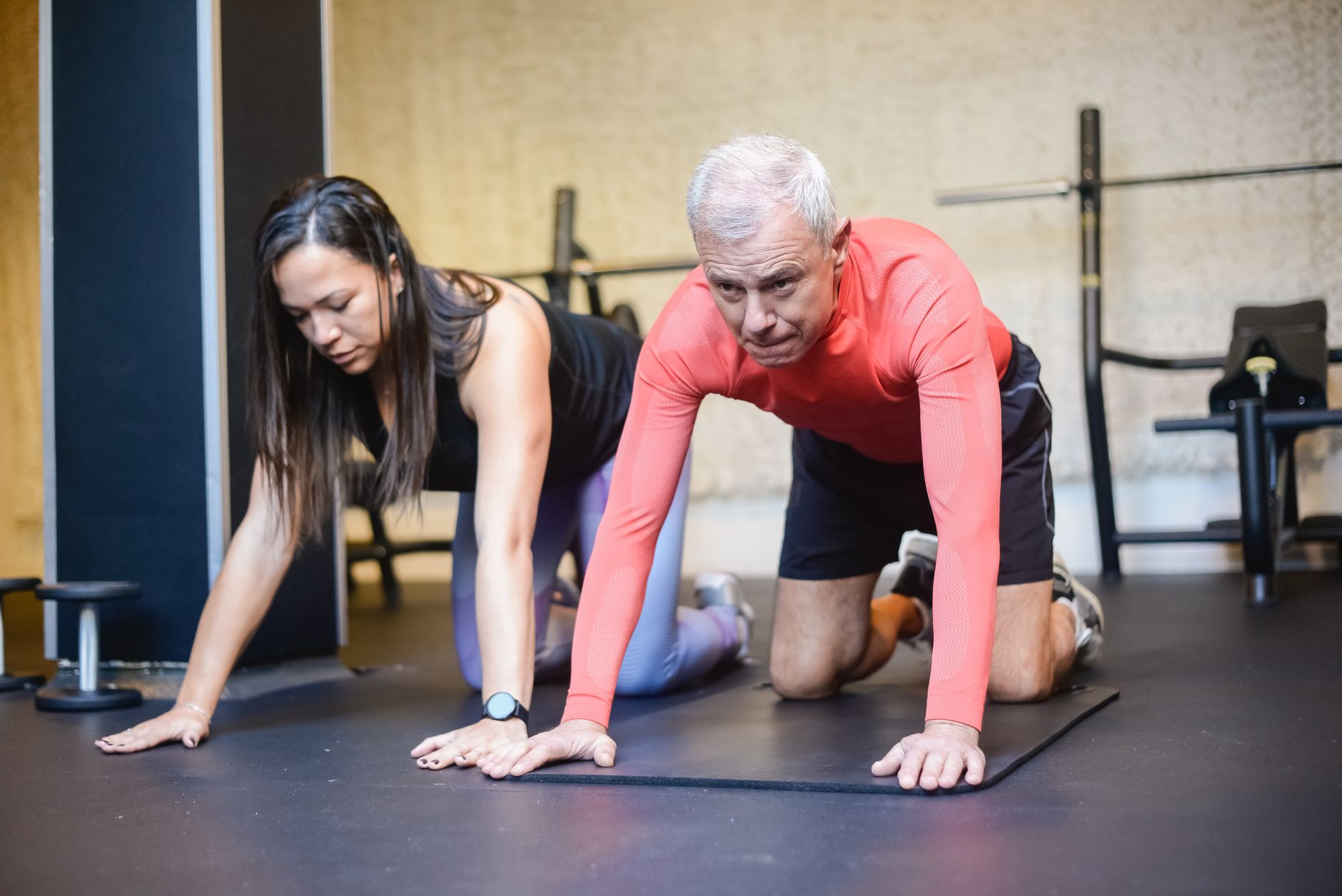
Exercise increases the heart's workload significantly. During intense physical activity, the heart must pump faster and harder to supply muscles with oxygen-rich blood. For most healthy individuals, the heart adapts well to this increased demand. However, several factors can make exercise a trigger for cardiac arrest:
- Underlying heart conditions that may be undiagnosed, such as coronary artery disease
- Structural abnormalities in the heart muscle or valves
- Electrical problems in the heart's conduction system
- Excessive strain on a heart that isn't conditioned for high-intensity activity
- Dehydration and electrolyte imbalances affecting heart rhythm
- Overexertion beyond one's fitness capacity
The physical stress of exercise can unmask cardiovascular problems that remain silent during rest. In people with pre-existing conditions, the increased heart rate and blood pressure during workouts can precipitate dangerous arrhythmias.
Who Is at Higher Risk?
While sudden cardiac arrest during exercise can affect anyone, certain groups face elevated risks:
- Men over 45 and women over 55 years of age
- Individuals with a family history of heart disease or sudden cardiac death
- Those with high blood pressure, high cholesterol, or diabetes
- People who smoke or have smoked in the past
- Individuals with a sedentary lifestyle who suddenly begin intense exercise
- Those with undiagnosed congenital heart defects
- People who ignore warning symptoms like chest pain or unusual fatigue
Warning Signs You Shouldn't Ignore
Many cardiac arrest victims experience warning signs in the days or weeks before the event. Recognizing these symptoms can be life-saving:
- Chest discomfort or pressure during physical activity
- Unusual shortness of breath that seems disproportionate to the exercise intensity
- Persistent fatigue or exhaustion
- Dizziness or lightheadedness during workouts
- Heart palpitations or irregular heartbeat
- Pain radiating to the arms, jaw, or back
- Excessive sweating without adequate exertion
If you experience any of these symptoms, stop exercising immediately and seek medical attention.
Prevention and Precautions
Taking preventive measures can significantly reduce the risk of sudden cardiac arrest during exercise:
- Get a comprehensive cardiac evaluation before starting any new exercise program, especially if you're over 40 or have risk factors
- Begin any fitness routine gradually, allowing your heart to adapt to increased demands
- Stay adequately hydrated before, during, and after workouts
- Avoid exercising when ill, particularly with fever or viral infections that can affect the heart
- Learn to recognize your target heart rate zone and avoid exceeding safe limits
- Never ignore chest pain, unusual fatigue, or other warning symptoms
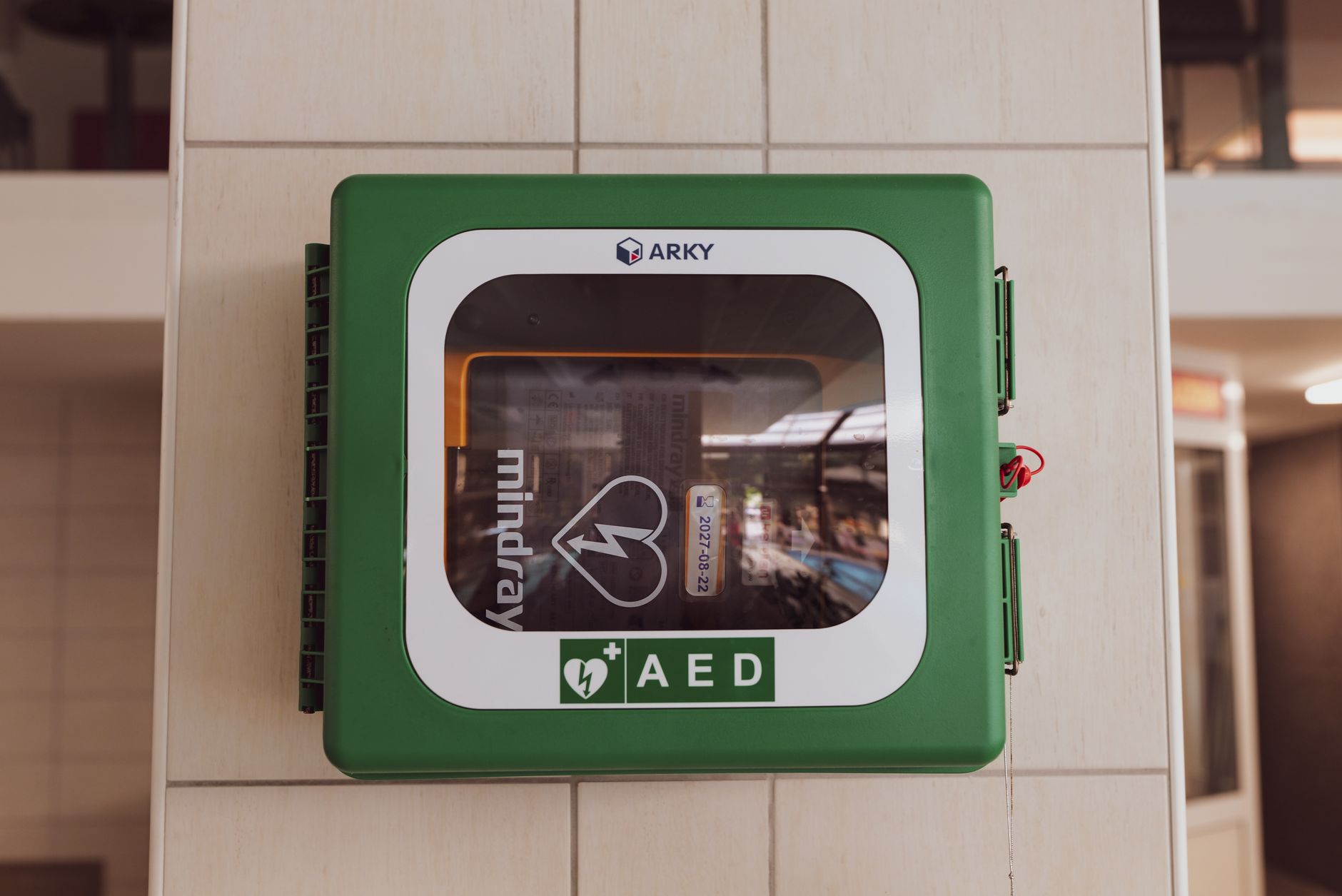
- Ensure your gym has an automated external defibrillator (AED) and staff trained in CPR
- Consider wearing a fitness tracker to monitor heart rate during exercise
The Role of Immediate Response
When cardiac arrest occurs, immediate intervention is critical. Every minute without treatment reduces survival chances by 7-10 percent. Bystanders should immediately call emergency services, begin CPR, and use an AED if available. Quick action can mean the difference between life and death.
Regular health screenings, including ECG tests, stress tests, and cholesterol checks, become increasingly important as we age. These evaluations can detect hidden cardiovascular issues before they become life-threatening.
This article is for general information purposes only and should not be considered medical advice. Always consult with qualified healthcare professionals before starting any exercise program or if you have concerns about your cardiovascular health. If you experience chest pain or other cardiac symptoms, seek immediate medical attention.