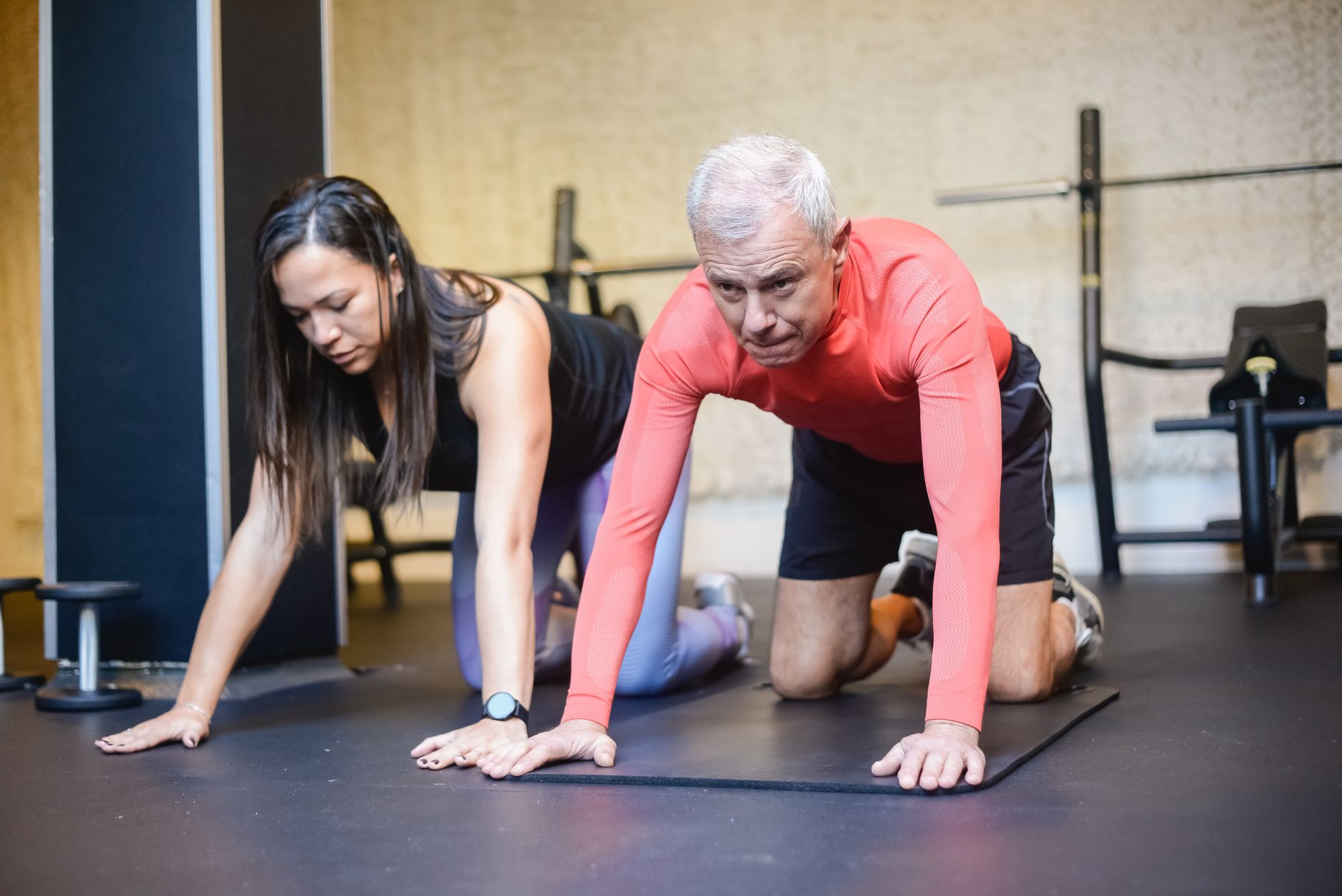
The recent tragic death of a police officer in Uttarakhand while working out has sent shockwaves through the fitness community and raised urgent questions about cardiac health screening. While exercise is widely promoted for its health benefits, sudden cardiac events during physical activity remind us that understanding our heart health is paramount before embarking on intensive fitness routines.
The Hidden Risk of Undiagnosed Heart Conditions
Many individuals, especially those who consider themselves relatively healthy, assume they can jump into rigorous exercise programs without medical consultation. However, underlying heart conditions often remain silent until triggered by intense physical stress. Conditions such as coronary artery disease, cardiomyopathy, and arrhythmias may show no symptoms during daily activities but can become life-threatening during strenuous exercise.
This risk is not limited to older adults. Young, apparently healthy individuals can also harbor undetected cardiac abnormalities. Studies suggest that sudden cardiac death during exercise, while rare, affects approximately 1 in 50,000 to 1 in 80,000 young athletes annually, with higher rates among those over 35 years of age.
Essential Heart Checks Before Starting a Workout Routine
Medical experts recommend several baseline cardiac assessments, particularly for individuals over 35, those with a family history of heart disease, or anyone planning to begin high-intensity exercise programs.
Basic Cardiac Screening Tests
- Electrocardiogram (ECG/EKG): This simple, non-invasive test records the electrical activity of your heart and can detect irregular rhythms, previous heart attacks, and other abnormalities
- Blood pressure measurement: Essential for identifying hypertension, a major risk factor for cardiac events
- Lipid profile: A blood test measuring cholesterol and triglyceride levels to assess cardiovascular disease risk
- Blood glucose test: Screens for diabetes, which significantly increases heart disease risk
- Complete blood count (CBC): Can reveal anemia and other conditions affecting heart function
Advanced Cardiac Assessments
For individuals with risk factors or abnormal basic test results, doctors may recommend:
- Echocardiogram: An ultrasound of the heart that visualizes its structure and pumping function
- Stress test (Treadmill test or TMT): Monitors heart performance during physical exertion, revealing issues that may not appear at rest
- Cardiac CT or MRI: Provides detailed images of heart structures and blood vessels
- Coronary calcium score: Measures calcium deposits in coronary arteries, indicating atherosclerosis risk
- Holter monitoring: A 24-48 hour continuous ECG recording to detect intermittent arrhythmias
Who Should Prioritize Cardiac Screening
While everyone can benefit from baseline heart health awareness, certain groups should make cardiac screening a priority before intensive exercise:
- Men over 40 and women over 50
- Individuals with a family history of premature heart disease or sudden cardiac death
- Those with existing risk factors: smoking, obesity, diabetes, high cholesterol, or hypertension
- People experiencing any cardiac symptoms: chest discomfort, unusual breathlessness, dizziness, or palpitations
- Anyone resuming exercise after a prolonged sedentary period
- Individuals planning to participate in competitive sports or marathons
Warning Signs During Exercise
Even with proper screening, it is crucial to recognize warning signs during physical activity. Stop exercising immediately and seek medical attention if you experience:
- Chest pain, pressure, or tightness
- Severe shortness of breath disproportionate to the exercise intensity
- Dizziness, lightheadedness, or fainting
- Irregular or racing heartbeat
- Unusual fatigue or weakness
- Pain radiating to the jaw, neck, or arm
Building a Safe Exercise Program
Once cleared by cardiac screening, building fitness gradually is key. Start with moderate-intensity activities and progressively increase duration and intensity over weeks or months. Include proper warm-up and cool-down periods, stay hydrated, and listen to your body's signals.
Regular follow-up assessments are equally important. Cardiac health can change over time, so periodic re-evaluation helps catch developing issues early.
The Balance Between Fear and Fitness
While incidents like the Uttarakhand tragedy are sobering, they should not deter people from exercise—physical activity remains one of the most effective preventive measures against heart disease. The key is informed, supervised, and gradual progression, particularly for those beginning their fitness journey or intensifying their routines.
This article is intended for general informational purposes only and should not be considered medical advice. Please consult with a qualified healthcare professional for personalized guidance regarding cardiac screening and exercise programs appropriate for your individual health status.