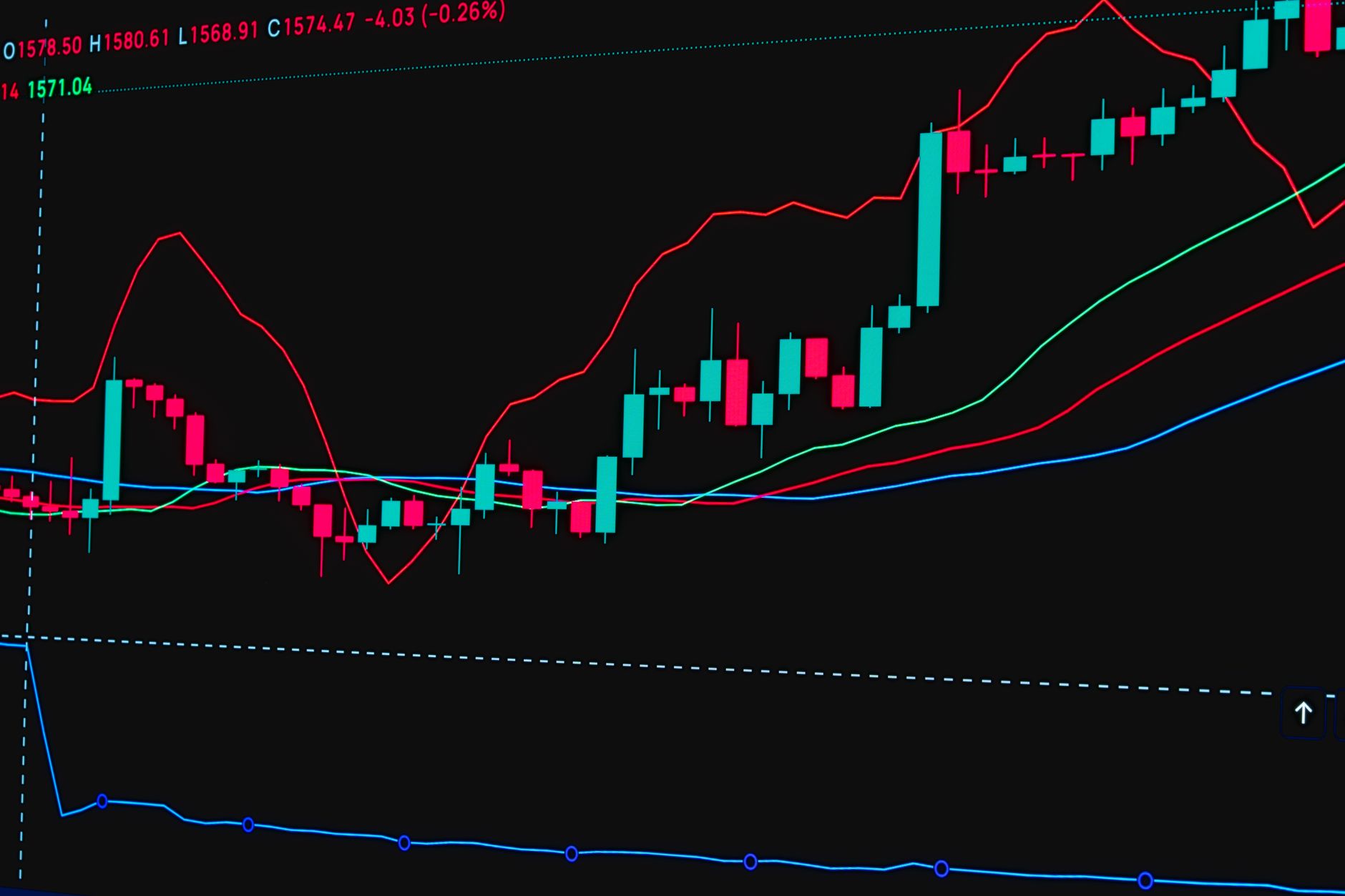
The US stock market has delivered positive news for global investors, with major indices climbing on the back of encouraging inflation data and robust banking sector performance. For Indian investors with international exposure or those considering diversifying into US markets, understanding these developments is crucial.
Understanding the Market Rally
The S&P 500 and Nasdaq Composite both posted gains following the release of inflation figures that came in below expectations. This development has significant implications for monetary policy and investor sentiment worldwide. When inflation shows signs of cooling, it typically suggests that central banks may pause or even reverse their interest rate hiking cycles, which is generally positive for equity markets.
Lower inflation reduces the pressure on the Federal Reserve to maintain aggressive interest rate policies. High interest rates make borrowing expensive for businesses and consumers alike, potentially slowing economic growth. Conversely, when rates stabilize or decrease, companies can invest more readily in expansion, and consumers tend to spend more freely.
Banking Sector Strength
The strong earnings reports from major US banks have added another layer of confidence to the market rally. Banks are often considered barometers of economic health because their performance reflects lending activity, consumer spending patterns, and overall business confidence. Solid bank earnings suggest that the US economy remains resilient despite previous concerns about a potential recession.
For Indian investors, this is particularly relevant because the health of the US financial sector can influence global capital flows. When US banks perform well, it often indicates stable credit markets and healthy corporate activity, which can positively affect emerging markets including India.
Impact on Indian Investors
Indian investors with exposure to US markets through mutual funds, ETFs, or direct equity holdings stand to benefit from such rallies. Many Indian mutual fund houses offer international funds that invest in US stocks, providing rupee-denominated access to American companies.
Currency Considerations
The relationship between US market performance and the rupee-dollar exchange rate adds another dimension for Indian investors. When US markets rally on positive economic data, the dollar often strengthens, which can affect the returns that Indian investors realize when converting back to rupees. This currency dynamic can either enhance or diminish the actual returns depending on exchange rate movements.
Sectoral Implications
Technology stocks, which feature prominently in the Nasdaq index, tend to be particularly sensitive to interest rate expectations. Many Indian investors favor US tech giants through international funds. The rally in these stocks following cool inflation data suggests that the high-growth technology sector may continue to offer opportunities.
Portfolio Diversification Benefits
This latest market movement underscores the importance of geographical diversification in investment portfolios. While Indian markets offer substantial growth potential, having exposure to developed markets like the US can provide stability and access to different economic cycles.
- Reduced correlation with domestic market volatility
- Access to global innovation leaders and established corporations
- Currency diversification benefits
- Exposure to different interest rate environments
What Indian Investors Should Watch
Several factors warrant attention as these trends develop. The ongoing inflation trajectory in the US will continue influencing Federal Reserve policy decisions. Any unexpected inflation spikes could reverse market gains quickly.
Additionally, Indian investors should monitor how global developments affect domestic markets. Strong US economic data can sometimes lead to capital outflows from emerging markets as investors shift toward developed market opportunities.
Investment Avenues for Indian Investors
Indian residents can access US markets through various channels including international mutual funds, ETFs available on Indian exchanges, and the Liberalized Remittance Scheme which allows investments up to USD 250,000 per financial year. Each option carries different tax implications and regulatory requirements.
The taxation of international investments differs from domestic equity taxation, with gains typically taxed as per income tax slabs without the benefit of lower capital gains rates available for Indian equities.
This article is for general informational purposes only and does not constitute financial advice. Investment decisions should be made after consulting with qualified financial advisors and considering individual financial circumstances, risk tolerance, and investment objectives. Past market performance does not guarantee future results.