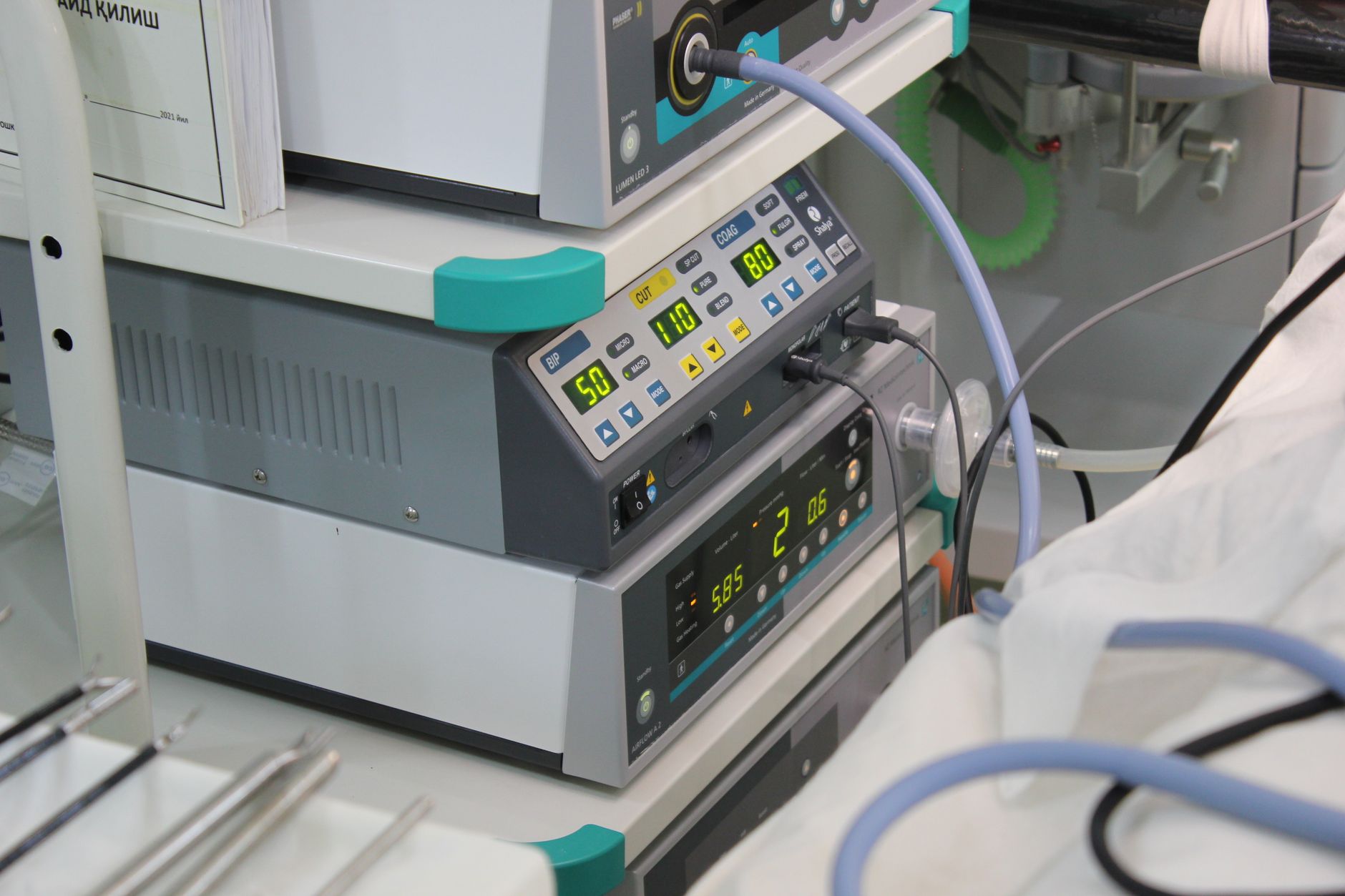
The Union Health Minister's participation in the India Medical Device 2026 conference signals the government's continued commitment to transforming India into a global hub for medical device manufacturing. This initiative comes at a crucial time when the country is working to reduce its reliance on imported medical equipment and boost domestic production capabilities.
India's Medical Device Industry Landscape
India's medical device market has been growing steadily, currently valued at approximately $11-12 billion and projected to reach $50 billion by 2030. Despite this growth, the country imports nearly 80-85% of its medical devices, ranging from basic consumables to advanced diagnostic equipment. This heavy import dependence has made healthcare costs significantly higher and exposed vulnerabilities in supply chains, particularly evident during the COVID-19 pandemic.
The sector encompasses a wide range of products including surgical instruments, diagnostic imaging equipment, implants, prosthetics, disposables, and digital health devices. Major import categories include cardiac stents, orthopaedic implants, imaging equipment like MRI and CT scanners, and various single-use medical supplies.
Government Initiatives to Boost Domestic Manufacturing
The government has launched several initiatives to strengthen the medical device ecosystem in India. The Production Linked Incentive (PLI) scheme for medical devices, announced with an outlay of Rs 3,420 crore, aims to encourage domestic manufacturing of critical medical devices and reduce import dependency. The scheme focuses on four key segments: cancer care, radiotherapy devices, nuclear imaging devices, and certain critical components.
Medical device parks are being established across various states to provide world-class infrastructure and testing facilities. These parks aim to create manufacturing clusters that can compete globally while meeting international quality standards. States like Andhra Pradesh, Madhya Pradesh, Tamil Nadu, and Himachal Pradesh are developing such specialized zones.
Regulatory Framework and Quality Standards
India's medical device regulatory framework has undergone significant reforms. Medical devices are now regulated under the Medical Devices Rules, 2017, bringing greater clarity and alignment with international standards. The Central Drugs Standard Control Organisation (CDSCO) oversees the regulation, registration, and quality control of medical devices in the country.
The government has been working to harmonize Indian standards with global regulatory requirements, making it easier for Indian manufacturers to export while ensuring patient safety. This includes adopting risk-based classification systems and implementing stringent quality management standards similar to ISO 13485.
Opportunities and Challenges
India possesses several competitive advantages in medical device manufacturing. The country has a strong base of skilled engineers, competitive labor costs, and a growing domestic market that provides economies of scale. Additionally, India's pharmaceutical manufacturing expertise can be leveraged for combination products and drug-device combinations.
However, challenges remain. These include limited research and development capabilities, inadequate testing infrastructure, complex regulatory approval processes, and lack of indigenous technology for high-end devices. The sector also faces challenges in skilled workforce development and access to capital for small and medium enterprises.
Focus on Innovation and Self-Reliance
The conference is expected to emphasize innovation and indigenous development of medical technologies. Start-ups and research institutions are increasingly working on developing affordable, India-specific solutions for healthcare challenges. Areas like point-of-care diagnostics, telemedicine devices, and AI-enabled diagnostic tools present significant opportunities.
The government's Atmanirbhar Bharat initiative specifically identifies medical devices as a priority sector for achieving self-reliance. This includes supporting research and development, facilitating technology transfer, and encouraging collaboration between industry and academic institutions.
Impact on Healthcare Accessibility
Increased domestic manufacturing of medical devices can significantly impact healthcare accessibility and affordability in India. Locally manufactured devices typically cost 30-50% less than imported alternatives, making advanced healthcare more accessible to the middle and lower-income populations. This aligns with the government's objective of providing universal health coverage and strengthening primary healthcare infrastructure.
The India Medical Device 2026 conference represents a platform for stakeholders to discuss strategies, share best practices, and forge partnerships that will shape the future of India's medical device industry. With strong policy support and growing private sector interest, India is positioned to become a significant player in the global medical device market while improving healthcare outcomes for its citizens.