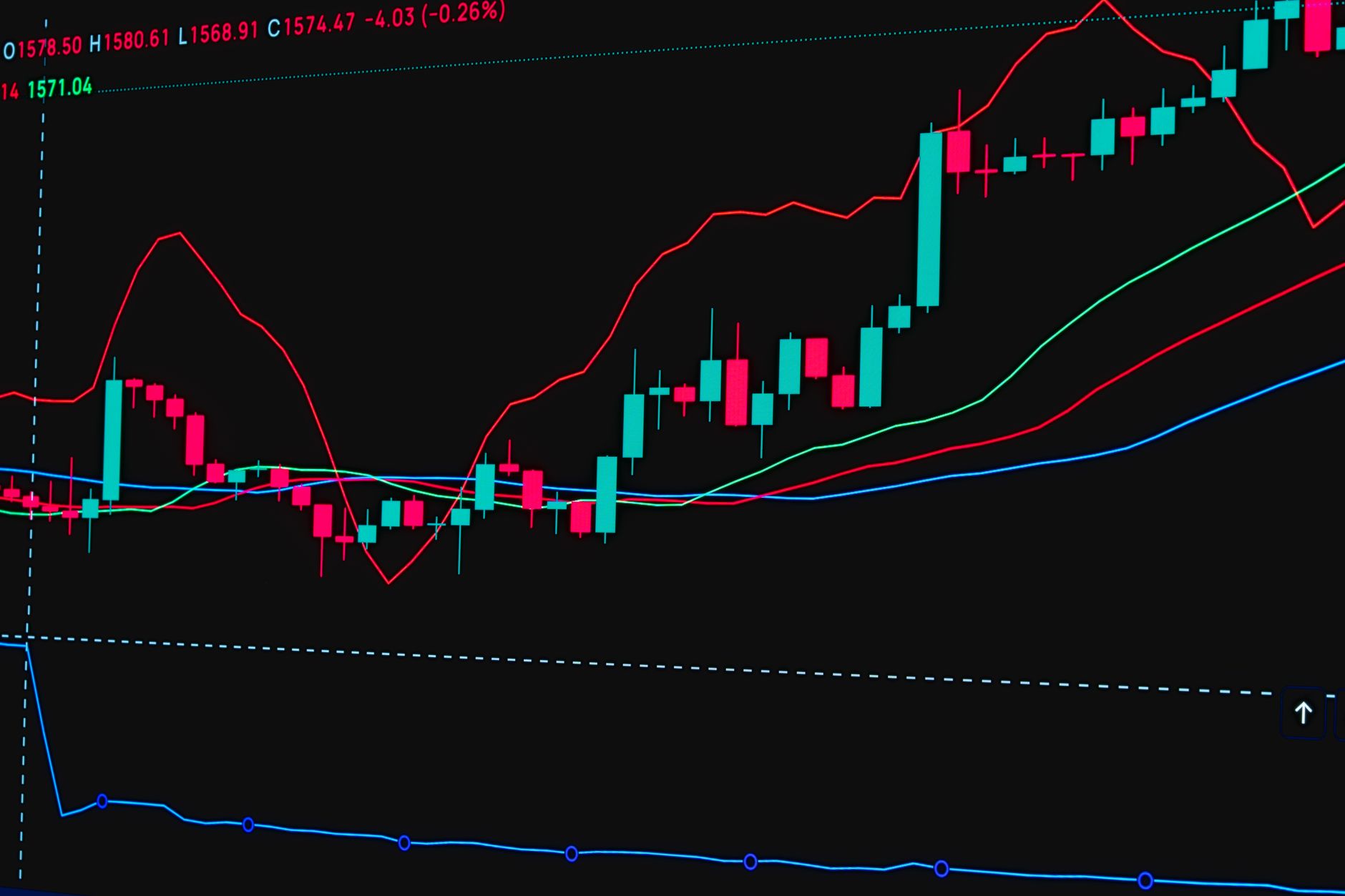
The allure of low-price stocks has always captured the imagination of Indian retail investors. With limited capital, many individuals seek opportunities to enter the equity market through shares priced below Rs 100 or even Rs 50. While these stocks can offer significant upside potential, they come with distinct characteristics that every investor must understand before committing their hard-earned money.
What Defines a Low-Price Stock
In the Indian market context, low-price stocks typically refer to shares trading below Rs 100, though some investors consider stocks under Rs 50 or even Rs 20 as the true penny stock category. The price alone, however, tells only part of the story. A stock trading at Rs 30 might belong to a fundamentally strong small-cap company with genuine growth prospects, or it could represent a distressed business facing structural challenges.
The critical distinction lies in understanding why a stock trades at a low price. Some companies have high share counts due to stock splits or bonus issues, making individual shares affordable despite healthy market capitalizations. Others trade at low prices because of poor fundamentals, operational challenges, or industry headwinds.
The Appeal of Affordable Shares
Low-price stocks attract investors for several compelling reasons:
- Lower capital requirements allow participation with modest investment amounts
- Potential for higher percentage returns if the stock price doubles or triples
- Psychological satisfaction of owning larger quantities of shares
- Opportunity to build diversified portfolios across multiple sectors
- Access to emerging companies in early growth stages
For young investors or those beginning their investment journey, stocks priced under Rs 100 provide a practical entry point into equity markets. Instead of buying fractional expensive shares, they can purchase complete units and learn portfolio management firsthand.
Risks Associated with Low-Price Investing
The potential rewards of low-price stocks come bundled with significant risks that cannot be ignored:
- Higher volatility leading to sharp price swings in both directions
- Lower liquidity making it difficult to exit positions quickly
- Limited research coverage from analysts and financial institutions
- Greater susceptibility to market manipulation and speculative trading
- Higher probability of fundamental business failures
- Delisting risk if companies fail to maintain exchange requirements
Many low-price stocks trade infrequently, meaning investors might struggle to sell their holdings at desired prices during market downturns. The bid-ask spreads can be wide, eroding returns through transaction costs.
Evaluation Criteria for Low-Price Stocks
Rather than focusing solely on stock price, investors should apply rigorous evaluation criteria:
Financial Health Assessment
Examine the company's balance sheet strength, debt levels, and cash flow generation. A company with manageable debt and positive operating cash flow demonstrates better fundamentals than one surviving on borrowed capital.
Business Model Viability
Understand how the company generates revenue and whether its business model remains relevant in evolving market conditions. Companies in sunrise industries with scalable operations generally offer better prospects than those in declining sectors.
Management Quality
Research the promoter background, corporate governance practices, and track record of delivering on commitments. Transparent management teams with aligned interests create long-term shareholder value.
Growth Trajectory
Analyze revenue and profit growth trends over multiple quarters and years. Consistent growth, even if modest, indicates operational strength better than erratic performance patterns.
Sectors with Low-Price Opportunities
Several sectors in the Indian market typically host affordable investment opportunities. Manufacturing, textiles, chemicals, and certain technology services companies often trade at accessible price points. Infrastructure and construction firms also appear in this segment, particularly smaller regional players.
Emerging sectors like renewable energy, electric vehicles, and specialized manufacturing sometimes include low-price stocks representing companies in early commercialization stages.
Investment Strategy Considerations
Successful investing in low-price stocks requires patience and discipline. Consider these approaches:
- Allocate only a small portion of your portfolio to speculative low-price stocks
- Diversify across multiple companies rather than concentrating holdings
- Set clear entry and exit criteria before purchasing
- Monitor holdings regularly for fundamental deterioration
- Avoid leverage or margin trading in this segment
- Focus on companies with improving fundamentals rather than pure price momentum
The Role of Research and Due Diligence
Never invest based solely on stock screeners or price filters. Read annual reports, analyze quarterly results, and understand the competitive landscape. Cross-verify information from multiple sources and remain skeptical of stock tips from unverified sources.
This article is for informational and educational purposes only and should not be considered financial advice. Investing in low-price stocks carries substantial risks including potential loss of capital. Readers should conduct their own research, assess their risk tolerance, and consult with qualified financial advisors before making investment decisions. Past performance does not guarantee future results.