Hunger strikes have long been a method of peaceful protest in India, drawing attention to causes through self-imposed suffering. When activists undertake extended fasts, they put their bodies through extreme physiological stress that can have both immediate and long-term health consequences.
What Happens During a Hunger Strike
When a person stops eating, the body undergoes a series of dramatic changes. In the first 24-72 hours, the body depletes its glucose reserves and begins breaking down glycogen stores in the liver and muscles. This initial phase often causes weakness, irritability, and difficulty concentrating.
After three days, the body enters a state called ketosis, where it starts burning fat for energy. The liver converts fatty acids into ketone bodies, which serve as an alternative fuel source for the brain and other organs. During this phase, many people report decreased hunger sensations, though physical weakness intensifies.
Critical Health Risks
As a hunger strike extends beyond one week, serious medical complications can emerge:
- Severe electrolyte imbalances affecting heart rhythm and kidney function
- Muscle wasting as the body breaks down protein for energy
- Weakened immune system increasing infection risk
- Hypoglycemia causing confusion, dizziness, and potential loss of consciousness
- Cardiac complications including irregular heartbeat and potential heart failure
- Liver and kidney dysfunction
- Vitamin and mineral deficiencies leading to various complications
The presence or absence of water intake dramatically affects outcomes. While the human body can survive several weeks without food, it can only last a few days without water. Hunger strikes that include water consumption are medically less dangerous in the short term than "dry" fasts.
Individual Variability in Response
How long someone can safely maintain a hunger strike depends on multiple factors. Age, baseline health status, body composition, and pre-existing medical conditions all play crucial roles. Individuals with diabetes, heart disease, or kidney problems face significantly higher risks.
Body mass index also matters considerably. People with higher fat reserves can theoretically sustain longer periods without food, though this doesn't eliminate other serious risks. Athletes or individuals with lower body fat percentages may experience complications more quickly.
Medical Monitoring and Intervention
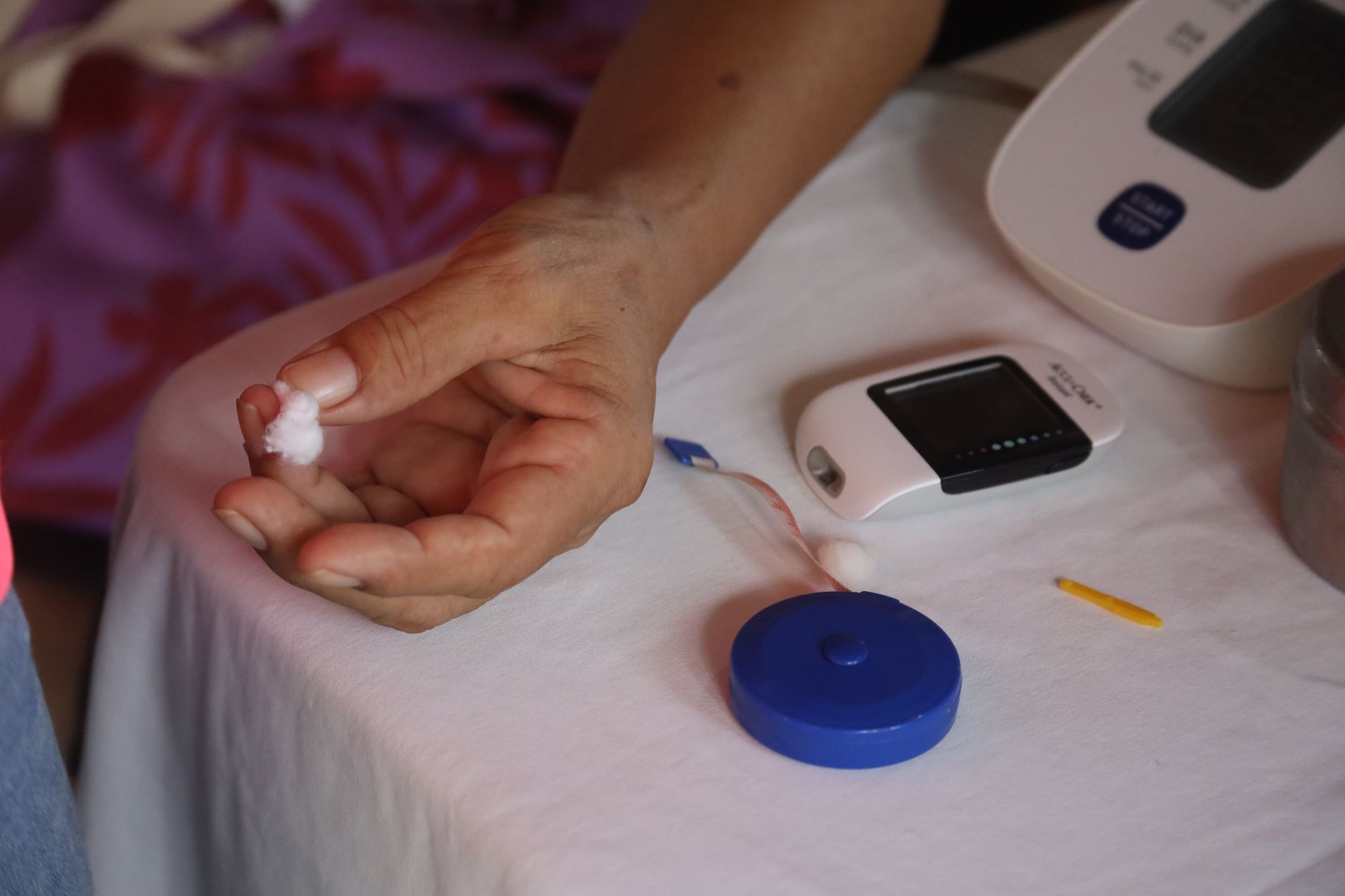
Healthcare professionals monitoring hunger strikers typically track several vital parameters:
- Blood pressure and heart rate
- Blood glucose levels
- Electrolyte panels including sodium, potassium, and chloride
- Kidney and liver function tests
- Body temperature and hydration status
- Mental status and cognitive function
Medical teams often face ethical dilemmas when protesters refuse intervention. In many jurisdictions, competent adults have the right to refuse medical treatment, even life-saving care. However, once consciousness is lost or cognitive impairment occurs, medical personnel may be obligated to intervene.
The Refeeding Process
Breaking a hunger strike requires careful medical management. Refeeding syndrome is a potentially fatal complication that can occur when nutrition is reintroduced too quickly after prolonged starvation. The body's sudden shift in metabolism can cause dangerous electrolyte shifts, particularly drops in phosphate, potassium, and magnesium.
Proper refeeding protocols involve:
- Starting with small amounts of easily digestible foods
- Close monitoring of electrolytes and cardiac function
- Gradual increase in caloric intake over several days
- Supplementation of vitamins and minerals
- Continued medical supervision during the transition period
Psychological Dimensions
Beyond physical health, hunger strikes take a significant psychological toll. The mental fortitude required to maintain such protests is considerable, but the process can also cause mood changes, depression, anxiety, and cognitive impairment due to nutritional deprivation affecting brain function.
Historical Context in India
India has a long tradition of fasting as protest, dating back to Mahatma Gandhi's independence-era hunger strikes. This legacy continues to influence contemporary activism, though modern medical understanding has made the health risks more apparent. The effectiveness of such protests often depends on public attention and political will rather than the duration of the fast itself.
This article is for general informational purposes only and is not intended as medical advice. Anyone considering or currently undertaking a fast for health, religious, or protest reasons should consult qualified healthcare professionals. Hunger strikes carry serious health risks and should never be undertaken without proper medical supervision.