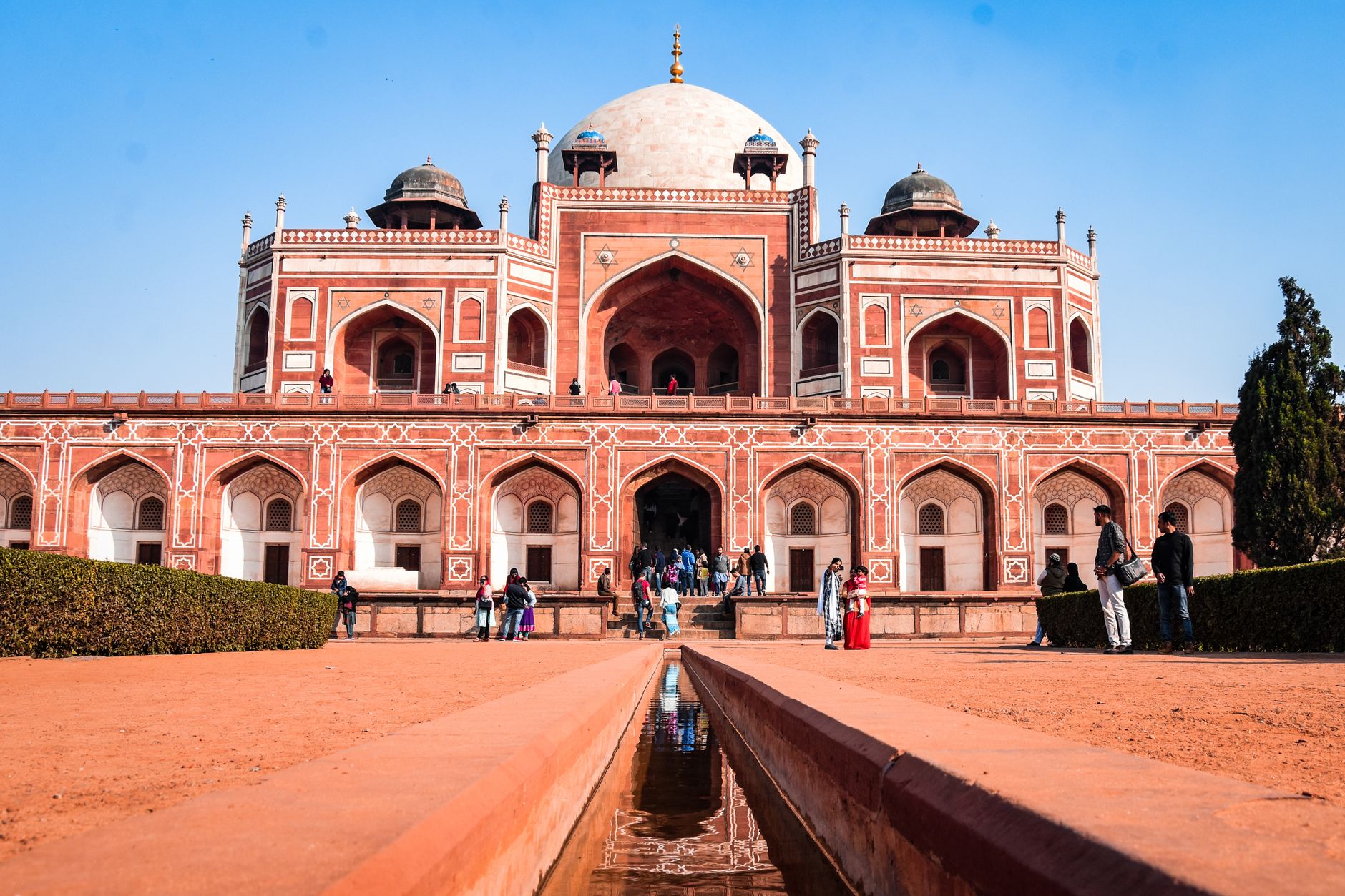
The global travel and tourism industry is poised for robust expansion in the coming decade, with forecasts indicating growth rates approximately 1.5 times faster than the broader global economy. This optimistic projection signals a strong recovery and transformation of a sector that employs millions worldwide and contributes substantially to GDP across nations.
Understanding the Growth Trajectory
Economic analysts attribute this accelerated growth to several converging factors. The expansion of the middle class in emerging economies, particularly across Asia, Africa, and Latin America, is creating millions of new travellers with disposable income and aspirations to explore beyond their borders. Additionally, the sector has demonstrated remarkable resilience following recent global disruptions, with consumers prioritising travel experiences over material goods.
The digitalisation of travel services has lowered barriers to entry, making trip planning more accessible and affordable. Online booking platforms, price comparison tools, and user-generated reviews have democratised travel, enabling even first-time travellers to confidently plan international trips.
Key Drivers of Tourism Expansion
Several structural trends are fuelling this growth momentum:
- Rising disposable incomes in developing nations enabling greater discretionary spending on travel
- Younger demographics, particularly millennials and Gen Z, prioritising experiences and adventure travel
- Improved air connectivity with new routes and increased flight frequencies to previously underserved destinations
- Visa liberalisation policies in numerous countries seeking to attract foreign visitors
- Growth of niche tourism segments including wellness travel, eco-tourism, and cultural immersion experiences
- Remote work arrangements allowing for extended stays and digital nomad lifestyles
Regional Variations and Opportunities
While the growth outlook is positive globally, certain regions stand to benefit disproportionately. Asia-Pacific destinations are expected to lead growth, supported by intra-regional travel among increasingly affluent populations. Countries like India, Vietnam, Indonesia, and Thailand are investing heavily in tourism infrastructure to capture this wave.
Africa represents an emerging frontier with vast untapped potential, particularly for safari tourism, cultural heritage sites, and beach destinations. Improved political stability and infrastructure development in several African nations are making the continent more accessible to international travellers.
Traditional tourism powerhouses in Europe and North America continue to attract visitors but face challenges including overtourism in popular destinations, prompting a shift toward sustainable tourism practices and promotion of lesser-known locations.
Implications for India's Tourism Sector
For India, these global trends present significant opportunities. The nation's diverse offerings—from Himalayan adventures to tropical beaches, ancient monuments to modern cities—position it well to capture growing tourist flows. The government's focus on infrastructure development, including new airports and improved rail connectivity, should enhance India's competitiveness.
Domestic tourism within India is also expected to surge as rising incomes enable more Indians to travel within their own country. This internal demand can help balance seasonal variations and reduce dependence on international arrivals.
Challenges and Considerations
Despite optimistic projections, the sector faces headwinds that could temper growth. Climate change impacts, including extreme weather events and environmental degradation, threaten popular destinations. Rising fuel costs could increase travel expenses, potentially dampening demand.
Geopolitical tensions and security concerns in certain regions may redirect tourist flows but are unlikely to significantly dent overall global growth. The industry must also address sustainability concerns, with travellers increasingly seeking eco-friendly options and destinations implementing measures to manage visitor numbers and environmental impact.
Technology's Transformative Role
Technological innovation will continue reshaping how people travel. Artificial intelligence is personalising travel recommendations, while virtual reality allows potential visitors to preview destinations. Contactless technologies and biometric systems are streamlining airport processes, reducing friction in the travel experience.
Social media platforms serve as powerful marketing tools, with influencer content and user-generated posts inspiring travel decisions and creating viral destination trends almost overnight.
Looking Ahead
The projection of 1.5x faster growth compared to the global economy underscores tourism's importance as an economic engine. For countries and businesses positioned to meet evolving traveller expectations—emphasising sustainability, authentic experiences, and seamless digital integration—the next decade offers substantial opportunities for growth and development.
As the sector expands, balancing economic benefits with environmental protection and community well-being will be essential for ensuring tourism remains viable and welcome in destinations worldwide.