India and Georgia are forging stronger ties in the education tourism sector, creating promising pathways for Indian students seeking international education and cultural immersion. This developing partnership reflects a broader trend of Indian students exploring alternative study destinations beyond traditional Western universities.
Why Georgia Appeals to Indian Students
Georgia has emerged as an attractive destination for Indian students primarily due to its affordable tuition fees, relatively low cost of living, and English-medium instruction at many universities. Medical education particularly draws Indian students, with several Georgian medical universities offering programs recognized by international bodies including the Medical Council of India (now National Medical Commission).
The country's strategic location at the crossroads of Europe and Asia, combined with a welcoming visa policy for Indian nationals, makes it an accessible option for families seeking quality education without the financial burden associated with universities in the United States, United Kingdom, or Australia.
Educational Infrastructure and Opportunities
Georgian universities have been modernizing their infrastructure and curriculum to meet international standards. Several institutions offer programs in medicine, engineering, business administration, and information technology that align with global educational frameworks. The quality of medical education, in particular, has gained recognition, with clinical training opportunities in well-equipped hospitals.
The Georgian government has been actively promoting international student enrollment as part of its economic development strategy, leading to streamlined admission processes and student-friendly policies. Indian students benefit from a relatively straightforward visa application process, with many receiving study permits without extensive documentation requirements.
Cultural Tourism Dimension
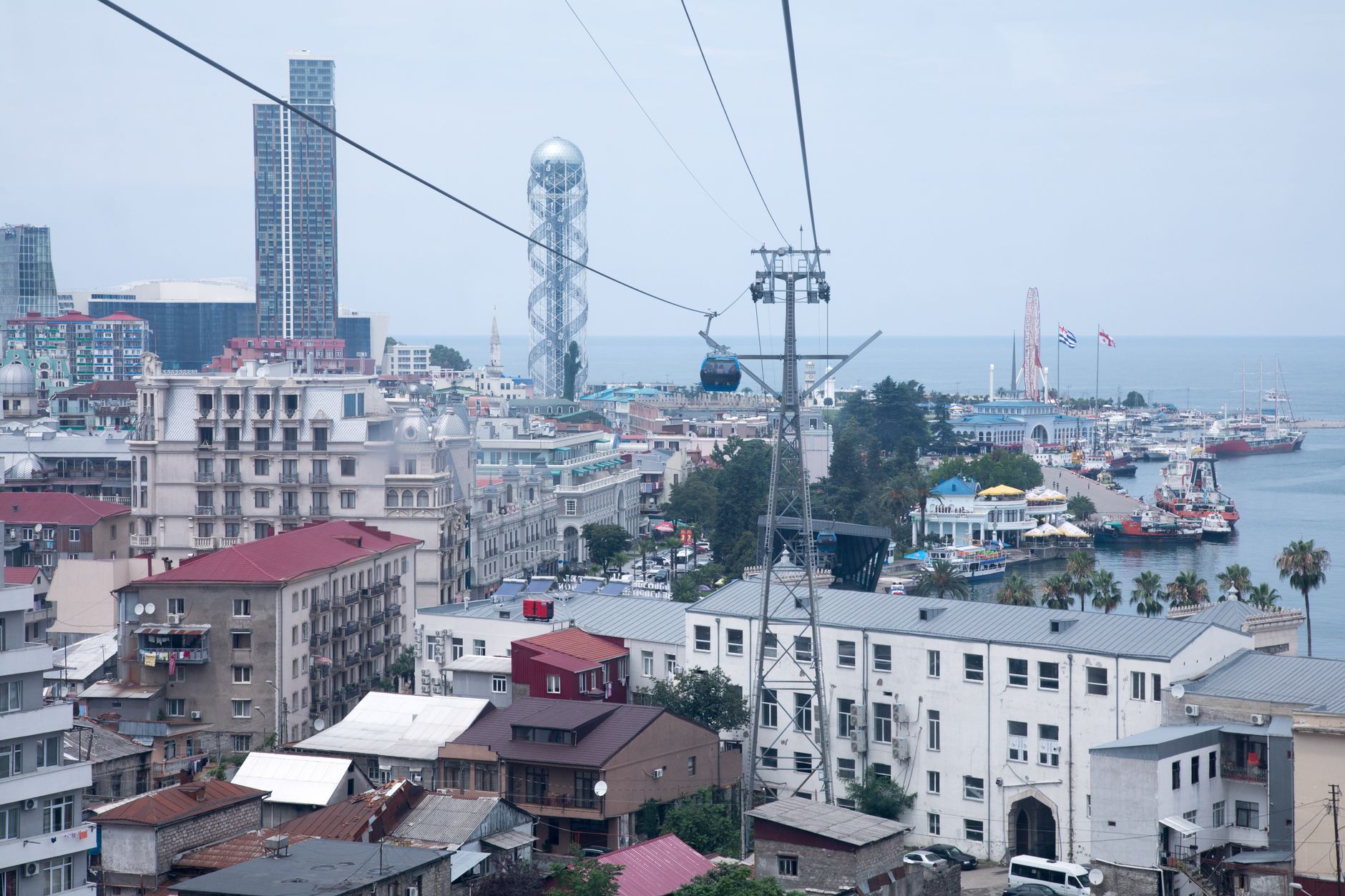
Beyond academics, Georgia offers Indian visitors a rich cultural experience. The country boasts ancient churches, stunning mountain landscapes, wine-making traditions dating back 8,000 years, and a distinctive cuisine. For students and their families visiting for admissions or graduation ceremonies, Georgia presents opportunities to explore UNESCO World Heritage sites and experience authentic Caucasian hospitality.
The cultural exchange benefits both nations, with Georgian institutions increasingly incorporating multicultural perspectives into their campus life and Indian students bringing their own traditions and festivals to Georgian cities. This exchange enriches the educational experience and promotes mutual understanding.
Travel and Connectivity Improvements
Improved air connectivity between India and Georgia has facilitated this growing education tourism corridor. Several airlines now offer direct or one-stop flights between major Indian cities and Tbilisi, making travel more convenient and affordable. This enhanced connectivity serves not just students but also families visiting their children and tourists exploring the region.
Tour operators in both countries have begun creating specialized packages combining university visits with cultural tours, allowing prospective students and their families to assess educational institutions while experiencing Georgian culture, history, and natural beauty.
Economic Impact and Future Prospects
The strengthening educational ties carry significant economic implications. Indian students contribute to Georgia's economy through tuition fees, accommodation, and daily expenses. Conversely, Indian educational consultancies, travel agencies, and related service providers benefit from facilitating these international placements.
As more Indian students graduate from Georgian universities and return home or pursue careers elsewhere, they form a diaspora network that further strengthens bilateral relationships. Alumni associations are emerging as important bridges between the two nations, facilitating business connections and cultural exchanges beyond education.
Challenges and Considerations
Despite the positive trajectory, prospective students should carefully research institutions, ensuring they are properly accredited and recognized by relevant Indian authorities, particularly for professional courses like medicine. Language barriers, cultural adjustment, and distance from home remain considerations for families making education decisions.
The quality of education can vary between institutions, making due diligence essential. Students should verify that medical degrees obtained in Georgia allow them to practice in India after clearing requisite licensing examinations.
Government Support and Bilateral Agreements
Both governments are working toward formalizing educational cooperation through bilateral agreements covering degree recognition, student exchange programs, and research collaborations. These frameworks aim to standardize quality assurance and make credit transfers more seamless.
Cultural cooperation agreements are also being strengthened, with initiatives to promote Indian culture in Georgia and vice versa through festivals, exhibitions, and academic programs. These cultural programs enhance the overall experience for students and promote lasting people-to-people connections.
The growing India-Georgia education tourism partnership represents a win-win opportunity, offering Indian students affordable, quality education options while providing Georgia with economic benefits and cultural diversity. As both nations continue strengthening these ties, the relationship is expected to expand beyond education into broader economic and cultural cooperation.