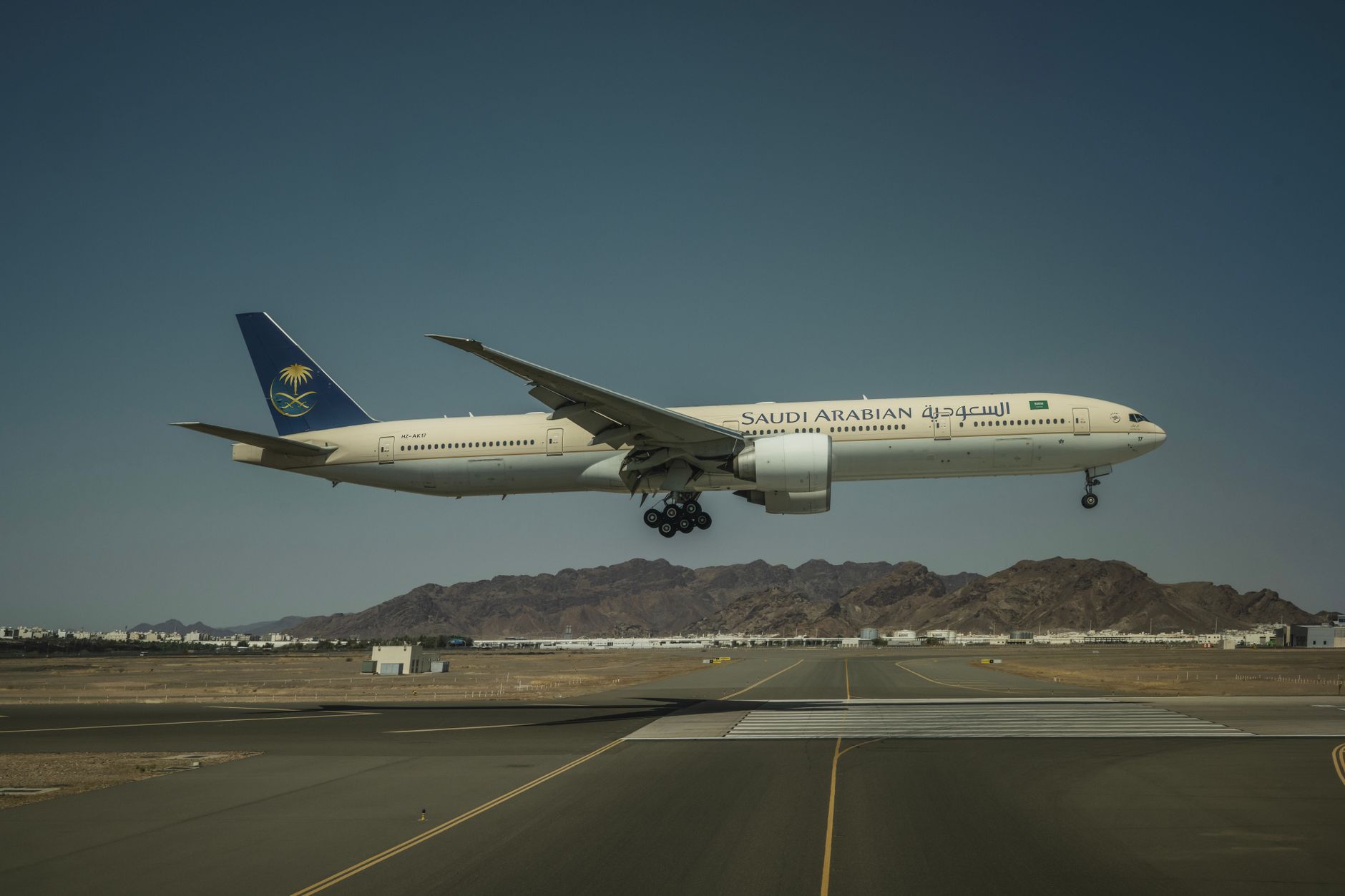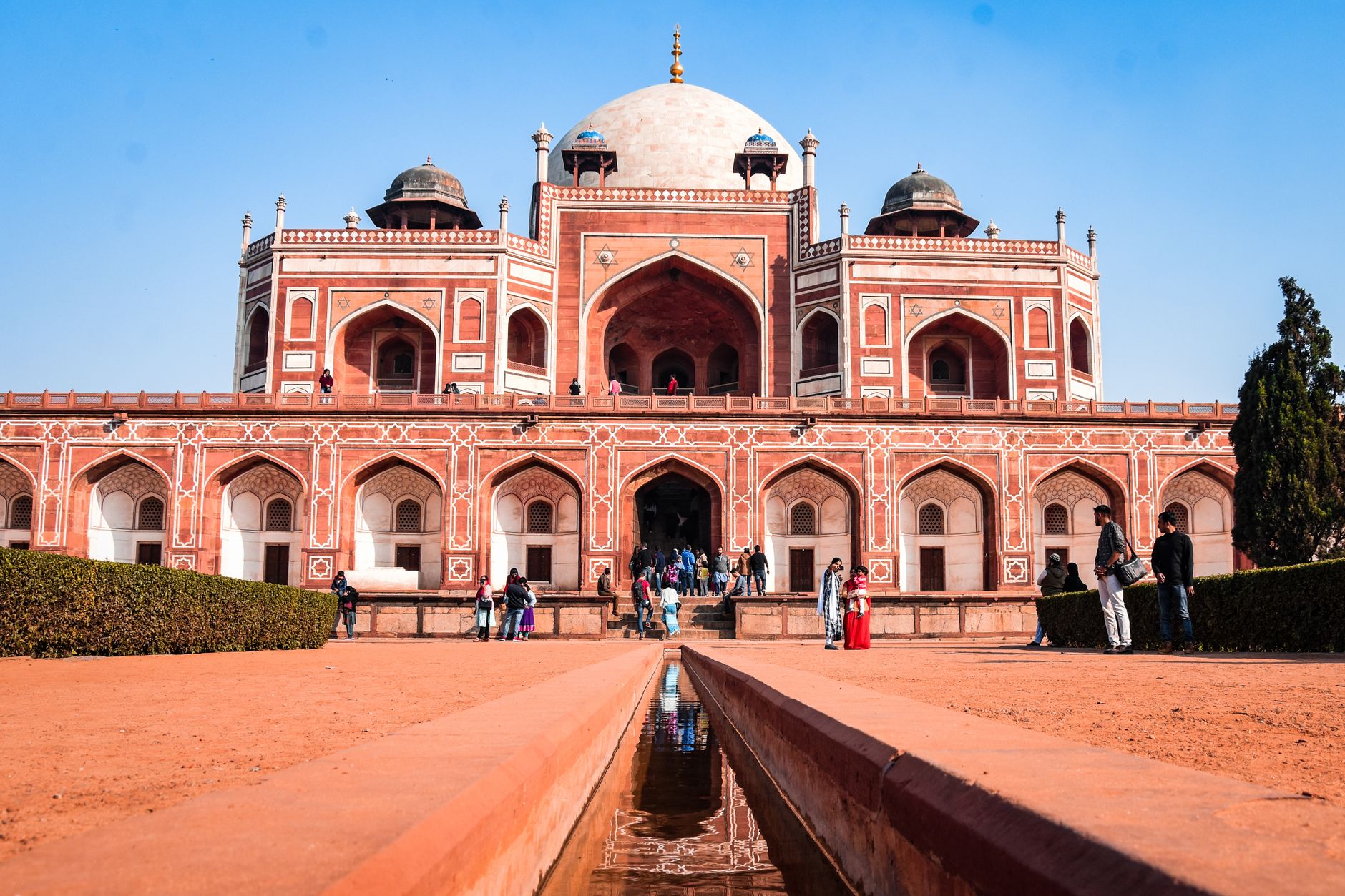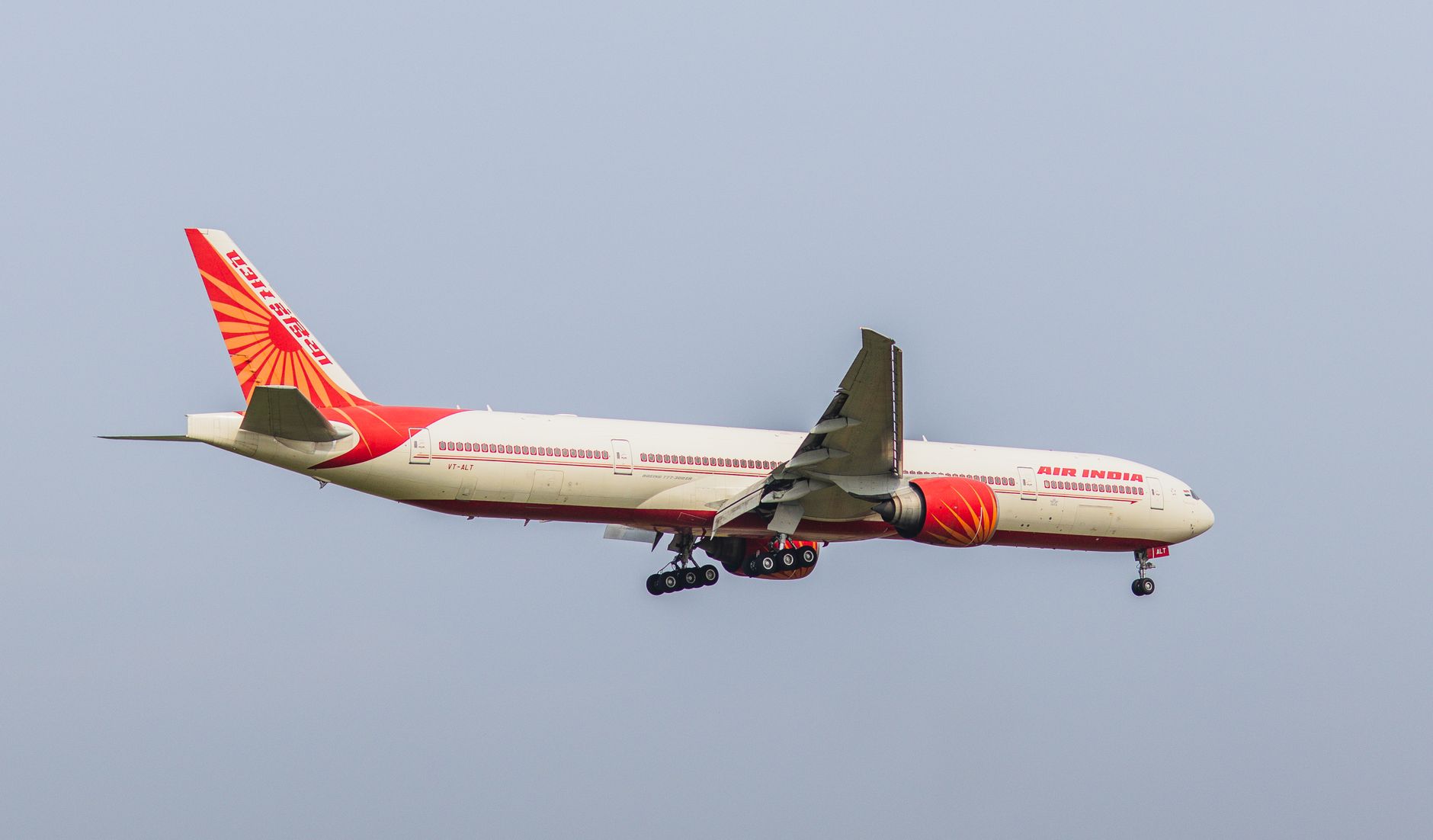
The Ministry of Tourism's strategic partnership with Air India marks a significant step in India's efforts to position itself as a premier global travel destination. This collaboration brings together the promotional expertise of the tourism ministry with Air India's extensive flight network and international presence, creating a synergistic approach to marketing India abroad.
Understanding the Partnership
This memorandum of understanding represents a coordinated effort between two key players in India's travel ecosystem. The Tourism Ministry oversees the promotion of India as a tourist destination through its Incredible India campaign and various international marketing initiatives. Air India, as the flag carrier, connects India to major cities across six continents and serves as the first point of contact for many international visitors.
The partnership will likely involve joint promotional campaigns at international airports, co-branded marketing materials, and coordinated efforts at travel trade shows worldwide. Air India's in-flight entertainment systems, magazines, and digital platforms provide valuable touchpoints to reach potential tourists even before they land in India.
Strategic Importance for Indian Tourism
India has been working to increase its share of global tourist arrivals, which currently represents a small fraction of worldwide tourism despite the country's rich cultural heritage, diverse landscapes, and historical significance. Foreign tourist arrivals contribute significantly to the economy through spending on accommodation, transportation, shopping, and experiences.
The collaboration addresses several key challenges facing Indian tourism. First, it tackles awareness issues, as many potential visitors remain unaware of India's diverse offerings beyond a few iconic monuments. Second, it provides accessibility solutions by aligning destination marketing with flight connectivity. Third, it creates a unified brand message across multiple customer touchpoints.
What This Means for Air India
For Air India, this partnership aligns with its broader revival strategy under Tata Group ownership. The airline has been expanding its international network, adding new destinations, and modernizing its fleet. Partnering with the Tourism Ministry enhances Air India's positioning as not just a transportation provider but as an enabler of the India experience.
The collaboration could include preferential promotion of Air India routes in tourism marketing materials, joint familiarization trips for travel agents and media, and coordinated campaigns targeting high-potential source markets such as the United States, United Kingdom, Australia, and countries in the Middle East and Southeast Asia.
Benefits for Travelers and the Industry
International travelers may benefit from this partnership through more comprehensive information about Indian destinations, potentially bundled offerings combining flights and tourism experiences, and improved coordination between air connectivity and ground-level tourism infrastructure.
The Indian travel and hospitality industry stands to gain from increased foreign arrivals. Hotels, tour operators, restaurants, handicraft sellers, and transportation services all benefit from tourism growth. Regional destinations that are currently undervisited may receive greater promotional support, helping distribute tourism benefits more evenly across the country.
Focus Areas and Target Markets
The partnership will likely prioritize several key segments. Leisure tourism remains the primary focus, promoting India's beaches, mountains, wildlife sanctuaries, and cultural attractions. Medical tourism and wellness tourism, areas where India has competitive advantages, may receive special attention. MICE (meetings, incentives, conferences, exhibitions) tourism represents another high-value segment with growth potential.
Geographically, the campaign will probably target markets with strong economic fundamentals, existing cultural connections to India, and adequate air connectivity. This includes countries with large Indian diaspora populations, emerging middle-class markets in Southeast Asia and Africa, and established source markets in North America and Europe.
Digital and Sustainable Tourism
Modern tourism promotion increasingly relies on digital channels, social media influencers, and content marketing. The joint campaign will likely leverage these tools alongside traditional advertising. Virtual reality experiences, travel vlogs, and user-generated content can showcase Indian destinations to global audiences cost-effectively.
Sustainable tourism practices will likely feature in the promotional narrative, as international travelers increasingly seek responsible travel options. India's community-based tourism initiatives, wildlife conservation efforts, and heritage preservation projects provide compelling stories for marketing purposes.
Implementation Timeline and Expected Outcomes
While specific details of implementation will emerge over time, such partnerships typically involve phased rollouts. Initial phases might focus on priority markets and flagship campaigns, with subsequent phases expanding to additional markets and niche segments. Success metrics would include increases in foreign tourist arrivals, higher spending per visitor, improved perception of India as a tourist destination, and increased load factors on Air India's international routes.
The collaboration represents a recognition that effective destination marketing requires coordination across multiple stakeholders and integration of transportation connectivity with promotional efforts.