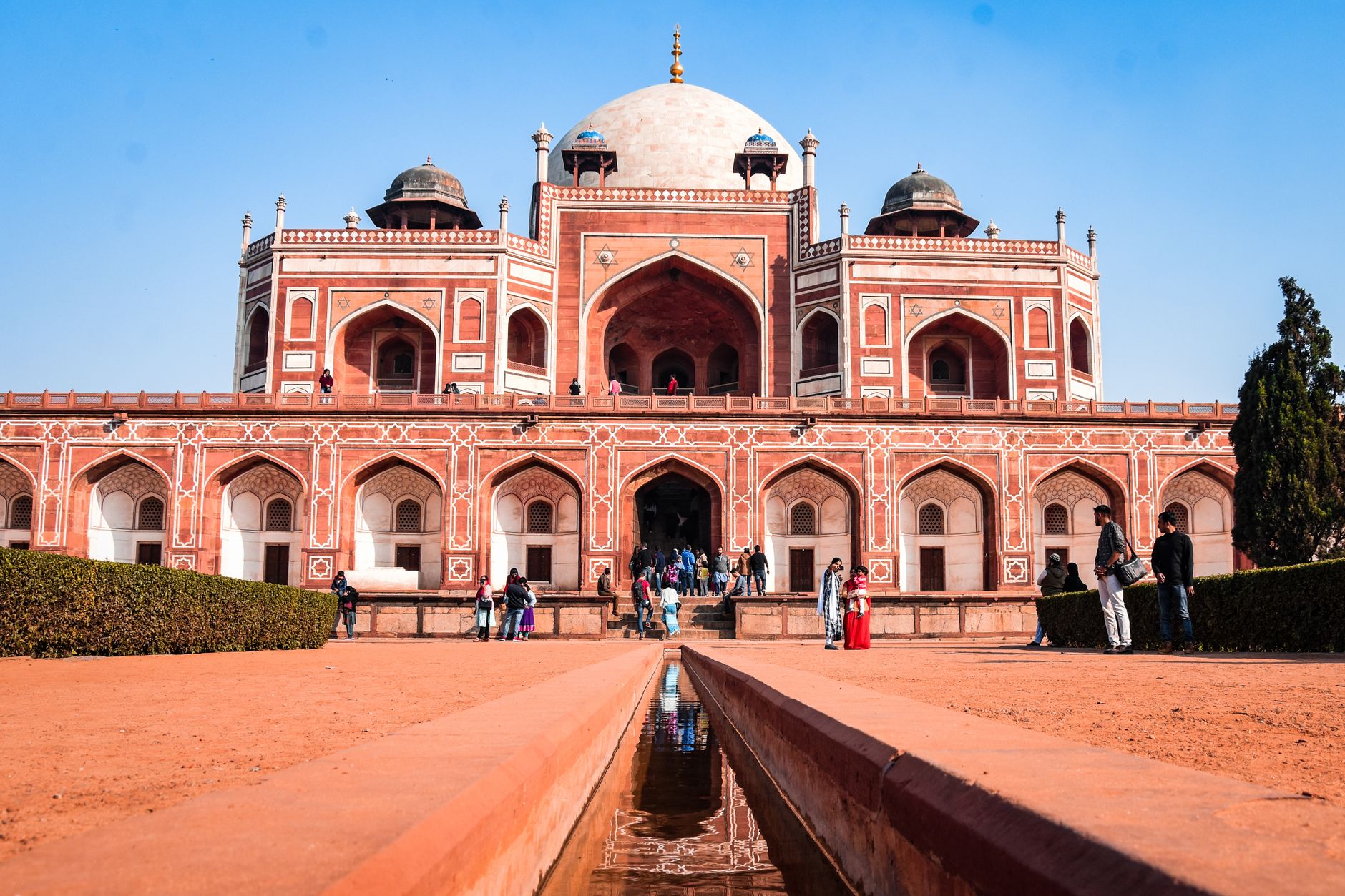
India's tourism industry is advocating for sweeping policy reforms aimed at creating a more seamless travel experience for international and domestic visitors. As the country positions itself to become a top global destination, stakeholders are highlighting critical gaps in visa processing, infrastructure, and regulatory frameworks that currently hinder growth potential.
The Current State of Indian Tourism
India welcomed approximately 9 million foreign tourists in 2023, a recovery from pandemic lows but still below its pre-2020 peak. Despite possessing incredible cultural heritage, diverse landscapes, and historical monuments, the country captures only a small fraction of global tourism compared to competitors like Thailand, Malaysia, or Indonesia. Industry experts attribute this underperformance partly to procedural complexities that discourage potential visitors.
The tourism sector contributes roughly 7 percent to India's GDP and employs millions across hospitality, transportation, and related services. However, the industry believes this contribution could double with appropriate policy interventions and improved visitor facilitation.
Key Visa Reform Demands
The tourism industry's primary focus centers on simplifying visa procedures. Current proposals include expanding the e-visa facility to cover more nationalities and purposes, extending the validity period for tourist visas, and introducing multiple-entry options for business travelers and tourists from key source markets.
Industry representatives are pushing for visa-on-arrival facilities at more entry points beyond the current airports. They argue that neighboring countries offering simpler visa processes gain competitive advantage, particularly for spontaneous travelers or those planning multi-country itineraries across Asia.
Processing time reduction represents another critical demand. While e-visas have improved matters, applicants from certain countries still face delays of weeks or require in-person embassy visits, creating friction in the booking process.
Infrastructure and Connectivity Issues
Beyond visa reforms, tourism stakeholders emphasize infrastructure bottlenecks that diminish visitor experiences. These include inadequate last-mile connectivity to tourist sites, insufficient accommodation options in emerging destinations, and limited multilingual signage and information systems.
Airport capacity remains a concern despite recent expansions. During peak seasons, major gateways experience congestion, leading to long immigration queues that create poor first impressions. The industry seeks increased staffing at immigration counters and adoption of technology-driven automated processing systems.
Domestic connectivity also needs enhancement. While major cities have good air links, reaching secondary destinations often requires lengthy road journeys on substandard highways. Improving regional airports and expanding train services to tourist circuits could unlock destinations currently difficult to access.
Regulatory Simplification
Tourism businesses face a complex web of regulations across multiple government levels. Entrepreneurs report dealing with numerous licenses, permits, and clearances from different departments, often with overlapping jurisdictions and unclear requirements.
The industry advocates for a single-window clearance system for tourism businesses, standardized classification systems for hotels and tour operators, and clearer guidelines for new tourism ventures. Simplifying compliance requirements could encourage more investment in tourism infrastructure and services.
Digital Infrastructure and Payment Systems
Modern travelers expect seamless digital experiences, from booking accommodations to making payments. While urban India has made progress, many tourist destinations lack reliable internet connectivity and digital payment acceptance.
Tourism bodies recommend improving digital infrastructure at tourist sites, ensuring widespread acceptance of international cards, and developing comprehensive tourism mobile applications that integrate bookings, navigation, and information services.
Safety and Security Concerns
Addressing safety perceptions, particularly for solo female travelers, remains crucial for expanding India's tourism appeal. Industry proposals include dedicated tourist assistance centers, improved police presence at major sites, and better emergency response systems.
Creating standardized safety protocols across the hospitality sector and ensuring transparent, tourist-friendly grievance redressal mechanisms could enhance India's reputation as a safe destination.
The Path Forward
The tourism industry's policy pitch reflects a broader understanding that hardware improvements alone cannot drive tourism growth. Creating a truly seamless travel experience requires coordinated action across visa policies, infrastructure development, regulatory reform, and service quality enhancement.
As global tourism rebounds post-pandemic, India has a window of opportunity to implement these reforms and capture a larger share of international travel. Success will require collaboration between central and state governments, private sector investment, and a sustained commitment to visitor-centric policies.
The economic benefits of getting these reforms right extend beyond tourism receipts, potentially creating millions of jobs and showcasing India's cultural wealth to the world.