The summer of 2024 marks a turning point for Indian outbound tourism as geopolitical tensions reshape where and how Indians choose to travel. With ongoing conflicts affecting traditional vacation corridors, travelers are displaying a remarkable shift in preferences, prioritizing safety, accessibility, and political neutrality over bucket-list destinations.
The Changing Map of Indian Tourism
Historically, Indian tourists have favored European destinations, with countries like France, Italy, and Switzerland topping wish lists. However, the current global security landscape has prompted a significant reassessment. Travel agents across major Indian cities report a 30-40% increase in inquiries about Southeast Asian destinations, Central Asia, and Middle Eastern countries perceived as stable and removed from conflict zones.
The reluctance stems not just from fear of being caught in active conflict zones, but also from practical concerns. Flight disruptions, airspace closures, insurance complications, and the unpredictability of evacuation protocols have made travelers far more cautious. Indian embassies have issued multiple advisories, and the memory of emergency repatriations during previous crises remains fresh in travelers' minds.
Winners in the Tourism Reshuffle
Several destinations are emerging as clear beneficiaries of this geopolitical reshuffling. Thailand, Vietnam, and Malaysia are experiencing a tourism boom from Indian travelers, with Bangkok and Kuala Lumpur reporting record bookings for the summer season. These countries offer a combination of affordability, visa convenience, and perceived safety that appeals to risk-averse travelers.
The United Arab Emirates, particularly Dubai, has positioned itself as a safe, luxurious alternative to European destinations. With excellent air connectivity from Indian cities and a reputation for stability, it has become a top choice for families and luxury travelers alike. Similarly, the Maldives continues to attract honeymooners and high-end tourists seeking isolated, peaceful retreats.
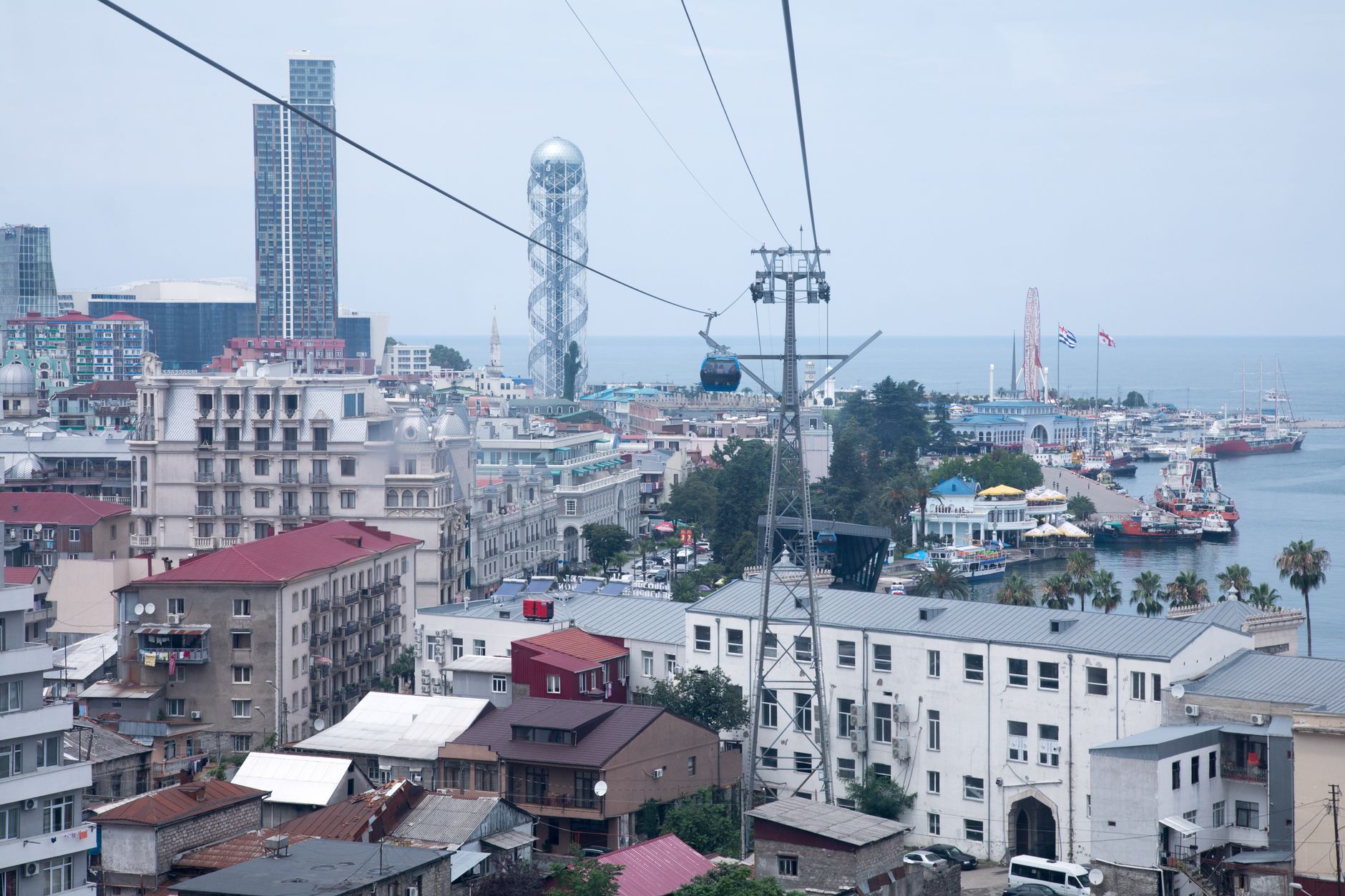
Interestingly, Central Asian republics like Kazakhstan, Uzbekistan, and Kyrgyzstan are experiencing unexpected interest from Indian adventure travelers and culture enthusiasts looking for offbeat experiences in regions largely insulated from major conflicts.
The Domestic Tourism Renaissance
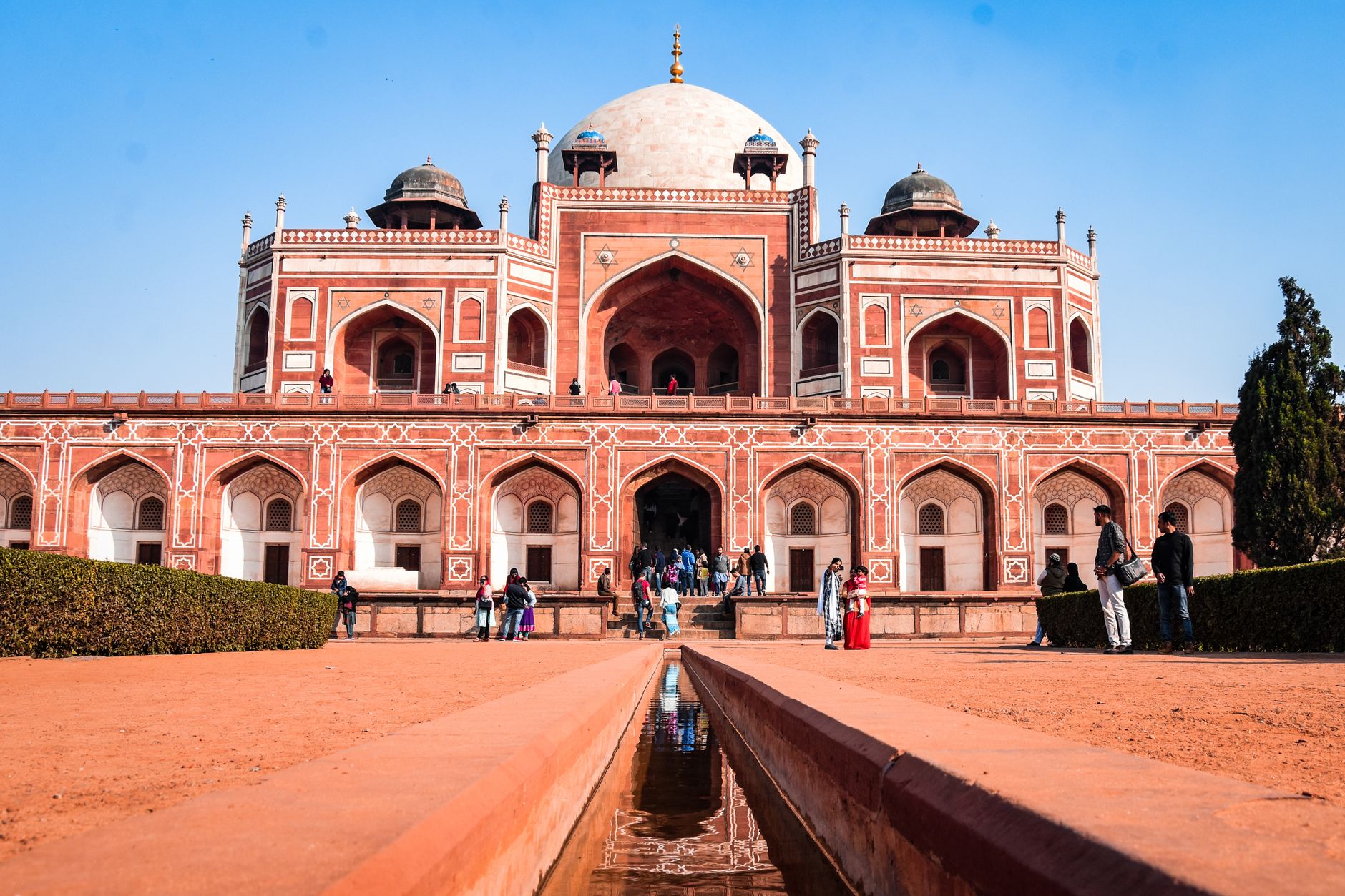
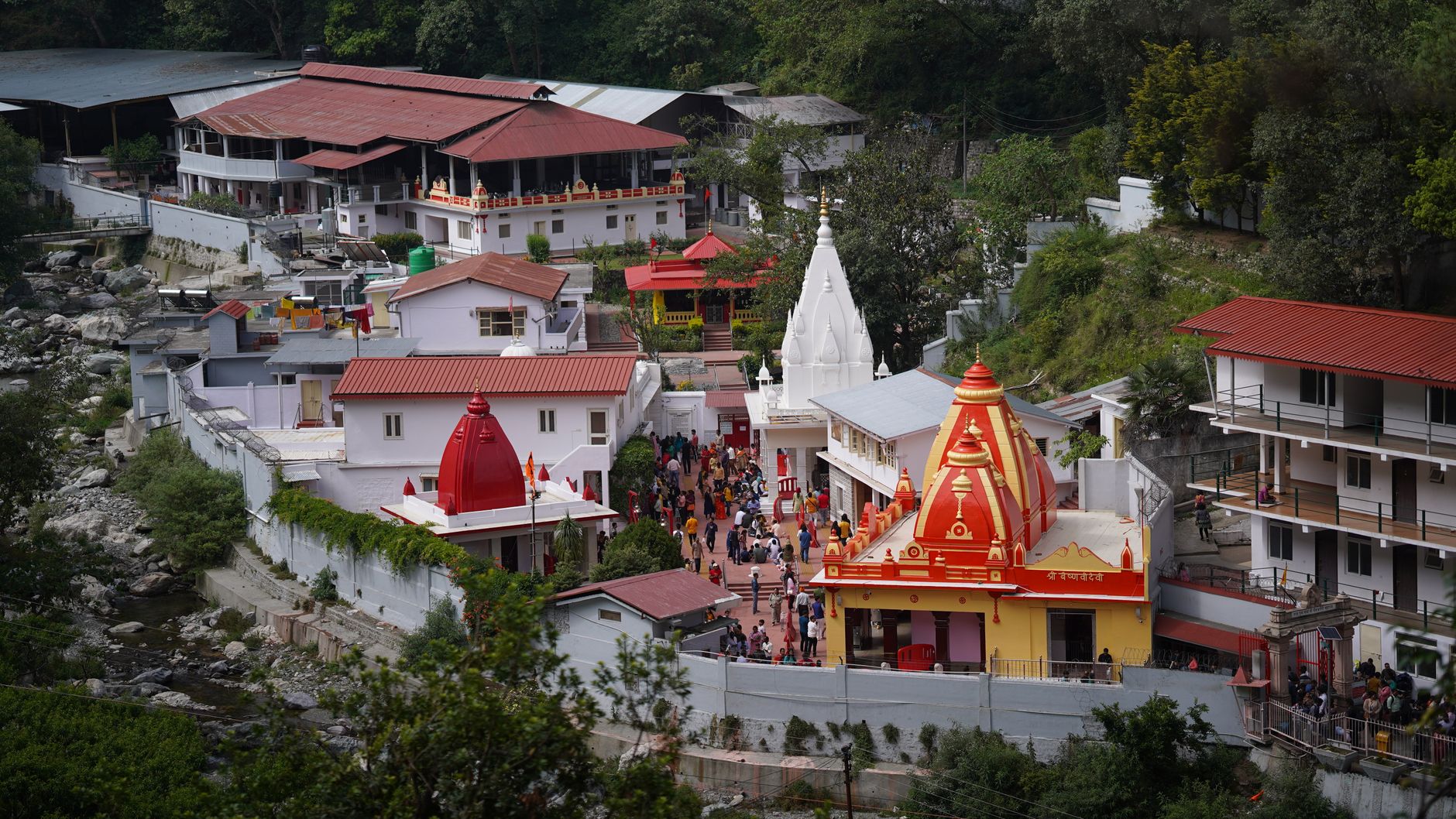
Perhaps the most significant shift is the renewed enthusiasm for domestic travel. Kashmir, once avoided due to security concerns, has seen a remarkable turnaround and is now among the most sought-after summer destinations for Indians. Ladakh, Himachal Pradesh, and Uttarakhand are reporting capacity bookings, with many hotels and homestays fully reserved months in advance.
Southern destinations like Kerala, Goa, and the Andaman Islands are attracting families who previously would have opted for international beach holidays. The government's infrastructure development, improved connectivity, and promotion of local tourism circuits have made domestic travel more appealing than ever.
Financial Implications and Travel Costs
Global conflicts have had mixed effects on travel costs. While some destinations have become more affordable due to reduced demand, others have seen price increases due to routing changes and higher fuel costs. Flight tickets to safe-haven destinations often involve longer routes avoiding conflict zones, adding both time and expense.
Travel insurance has become significantly more expensive, with many policies excluding coverage for conflict-affected regions or demanding substantial premiums for comprehensive coverage. Indian travelers are now spending an average of 15-20% more on insurance than they did two years ago.
Currency fluctuations triggered by global instability have also impacted purchasing power. The rupee's performance against major currencies means that international travel requires more careful budgeting and planning.
Changing Traveler Behavior and Preferences
Indian tourists are demonstrating greater flexibility and last-minute booking tendencies, preferring to monitor situations before committing to long-haul international trips. There's increased interest in refundable bookings and travel packages that offer flexible cancellation policies, even if they come at a premium.
Digital platforms have become essential tools for travelers tracking real-time safety information, embassy advisories, and ground reports from fellow travelers. Social media groups dedicated to safe travel destinations have mushroomed, with thousands of members sharing experiences and recommendations.
The Road Ahead
As geopolitical situations remain fluid, the Indian travel industry is adapting by diversifying offerings and emphasizing closer, safer destinations. Tour operators are creating new packages for emerging markets while maintaining contingency plans for evacuations and itinerary changes.
The fundamental desire to travel remains strong among Indians, but the parameters for choosing destinations have fundamentally changed. Safety, stability, and peace of mind now rank alongside cost and experience when planning the perfect vacation.