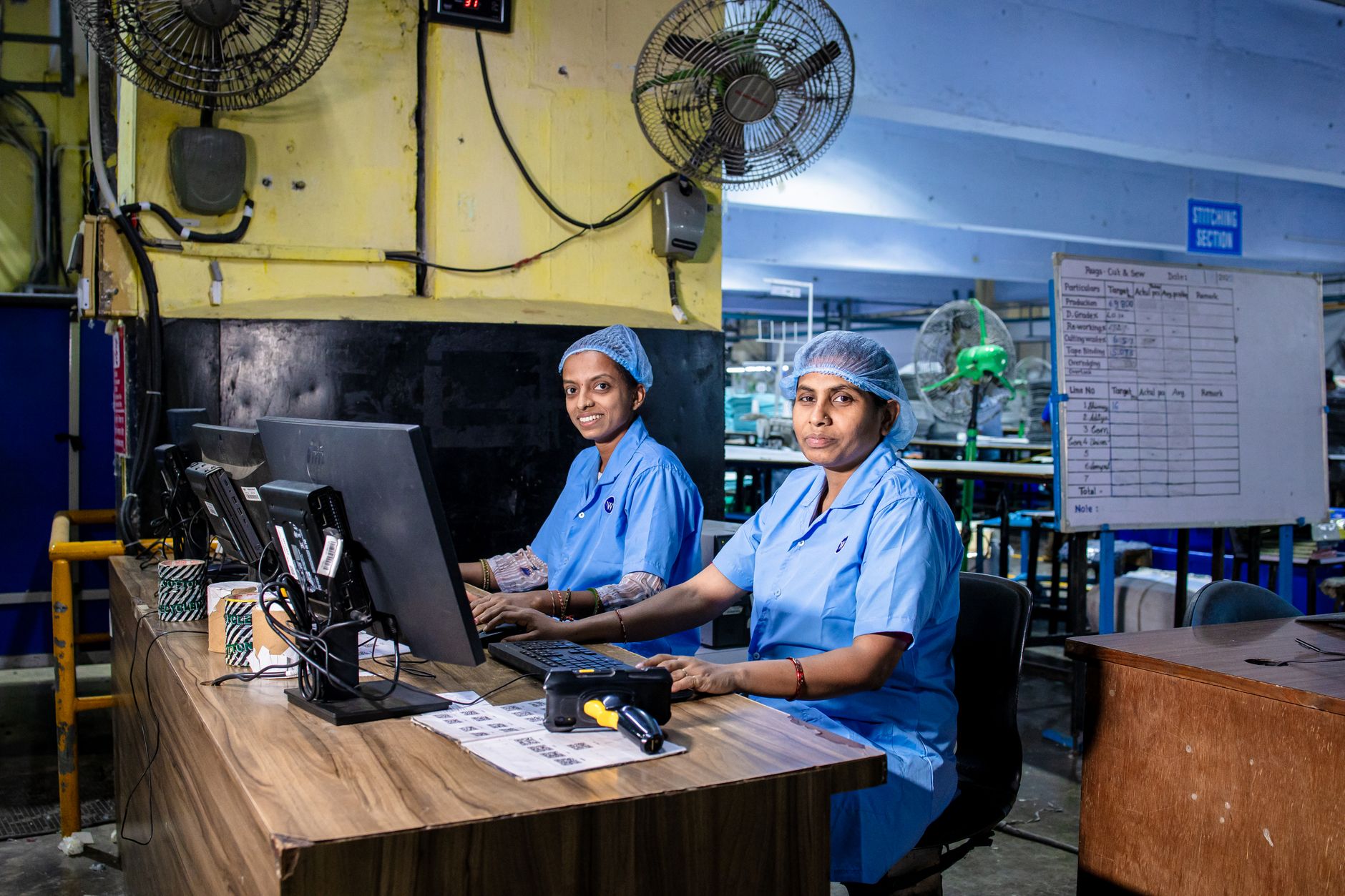
India's employment landscape is undergoing a significant transformation as tier-2 cities emerge as attractive job markets, drawing skilled professionals away from traditional metro hubs. This shift represents a fundamental change in how companies and employees approach location choices in the post-pandemic era.
The Great Migration from Metros
The movement away from Bengaluru, Mumbai, and Delhi reflects a growing dissatisfaction with metro living conditions. Professionals cite several factors driving this exodus: sky-high real estate prices, lengthy commutes often exceeding two hours daily, severe air pollution, and overcrowded infrastructure. A software engineer in Bengaluru might spend half their salary on rent for a modest apartment, while facing daily traffic jams that drain productivity and well-being.
The pandemic fundamentally altered perceptions about where work needs to happen. Remote work proved that productivity doesn't require physical presence in metro offices, empowering professionals to reconsider their location choices. Many discovered they could maintain their careers while enjoying significantly better quality of life in smaller cities.
Rising Opportunities in Tier-2 Cities
Cities like Coimbatore, Jaipur, Indore, Kochi, Chandigarh, Vizag, and Bhubaneswar are experiencing robust job creation across sectors. Technology companies, in particular, are establishing offices and development centers in these locations, attracted by lower operational costs and access to untapped talent pools.
- Manufacturing and industrial hubs are expanding in cities like Surat and Coimbatore
- Healthcare and education sectors are growing in cities like Mysore and Pune
- E-commerce and logistics companies are setting up regional centers across tier-2 locations
- Financial services firms are decentralizing operations to cities like Jaipur and Indore
- Startups are launching directly in tier-2 cities, bypassing metros entirely
The Economic Advantage
The cost differential between metros and tier-2 cities remains substantial. A three-bedroom apartment that costs Rs 50,000 monthly in Bengaluru might rent for Rs 15,000 in Coimbatore. This wage arbitrage benefits both employers and employees. Companies reduce their salary and infrastructure expenses while offering compensation packages that feel generous in tier-2 contexts.
Employees enjoy higher disposable incomes despite potentially lower absolute salaries. The ability to save more, invest in property, and maintain comfortable lifestyles without financial strain proves attractive, especially for young families planning for the future.
Quality of Life Factors
Beyond economics, lifestyle considerations drive the tier-2 preference. These cities typically offer shorter commutes, ranging from 15 to 30 minutes versus metro averages of 60 to 90 minutes. This time savings translates to more hours for family, fitness, and personal pursuits.
Air quality in tier-2 cities generally surpasses metro standards, particularly important for families with children or elderly members. Access to nature, less congestion, and stronger community connections enhance daily living experiences. Many professionals report reduced stress levels and improved mental health after relocating.
Infrastructure and Challenges
While opportunities grow, tier-2 cities face infrastructure challenges. Healthcare facilities may not match metro standards, particularly for specialized treatments. International connectivity requires travel to major airports. Entertainment, dining, and cultural options remain limited compared to metropolitan offerings.
Educational institutions are improving but prestigious schools and universities concentrate in metros, creating dilemmas for families with school-age children. These gaps narrow as tier-2 cities develop, but represent real considerations for relocating professionals.
The Employer Perspective
Companies benefit from tier-2 expansion beyond cost savings. They access diverse talent pools often overlooked by metro-centric hiring. Local talent shows higher retention rates, as professionals living in their hometowns or preferred cities demonstrate greater job stability and satisfaction.
Progressive companies adopt hybrid models, maintaining metro presence for client-facing roles while shifting back-office, development, and support functions to tier-2 locations. This strategy optimizes costs while offering employees location flexibility.
Future Outlook
The tier-2 job market expansion appears sustainable rather than temporary. Government initiatives promoting industrial corridors and smart cities support this decentralization. Improving digital infrastructure enables seamless remote work, further reducing metro dependence.
As more professionals successfully make this transition, social proof encourages others to follow. The stigma of leaving metros for career growth diminishes as tier-2 cities demonstrate their viability as employment destinations. This trend could reshape India's economic geography over the coming decade, creating more balanced regional development and reducing pressure on overwhelmed metro infrastructure.