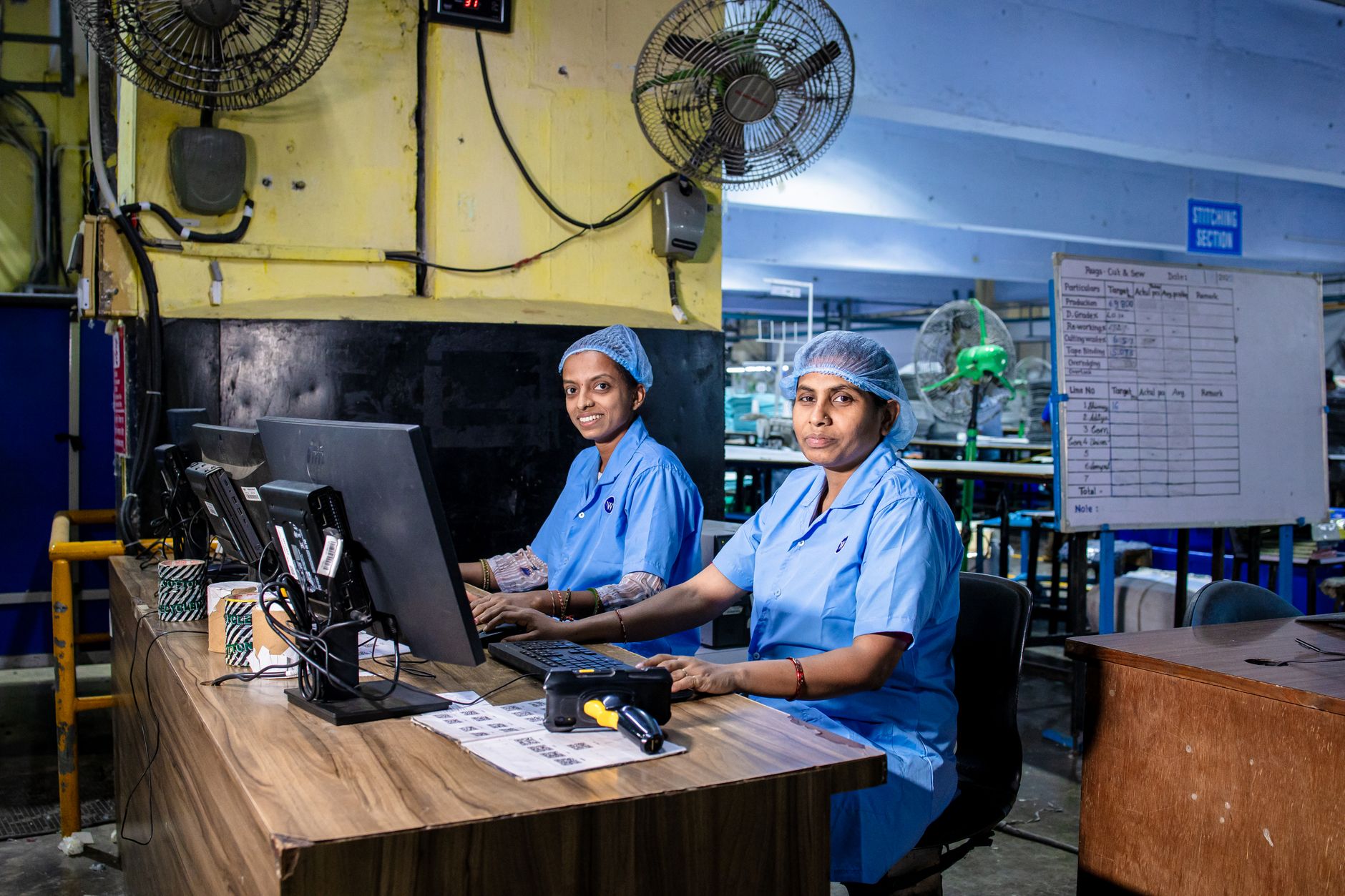
India's employment landscape is undergoing a remarkable transformation as professional opportunities increasingly migrate beyond traditional metropolitan centers. The recognition of cities like Visakhapatnam, Surat, Ludhiana, and Prayagraj as emerging job markets represents a fundamental shift in how economic growth and career opportunities are distributed across the country.
The Rise of Tier-2 Cities
For decades, Mumbai, Delhi, Bangalore, and Hyderabad dominated India's employment narrative. However, tier-2 cities are now experiencing unprecedented growth in job creation, driven by several converging factors. These cities offer a compelling combination of lower operational costs, improving infrastructure, and growing local talent pools that make them attractive to both established companies and startups.
The emergence of these cities as employment hubs reflects broader economic decentralization. Government initiatives promoting industrial development outside major metros, combined with improved connectivity and digital infrastructure, have created fertile ground for business expansion in these regions.
Understanding the Key Players
Each emerging city brings unique strengths to India's employment ecosystem:
- Visakhapatnam combines its strategic coastal location with growing sectors in pharmaceuticals, IT, and manufacturing
- Surat's traditional strength in textiles and diamonds is complemented by expanding technology and startup sectors
- Ludhiana leverages its industrial heritage in manufacturing while diversifying into automotive components and engineering
- Prayagraj is witnessing growth in education, tourism-related services, and government sector opportunities
Why Companies Are Expanding to These Markets
Organizations are discovering significant advantages in establishing operations in tier-2 cities. Real estate costs can be 40-60% lower than in metros, allowing companies to allocate resources more efficiently. Additionally, employee retention rates often prove higher as professionals working in their home regions or nearby cities demonstrate greater stability and lower attrition.
The talent pool in these cities is also evolving rapidly. Local universities and technical institutions are producing qualified graduates, while reverse migration of experienced professionals from metros brings valuable expertise back to these regions. This creates a dynamic workforce combining fresh talent with seasoned experience.
Sector-Specific Growth Patterns
Manufacturing continues to drive employment in several emerging cities, particularly as India positions itself as an alternative global production hub. The production-linked incentive schemes and Make in India initiatives have accelerated this trend, creating opportunities across automotive, electronics, and component manufacturing.
Technology and IT-enabled services are no longer confined to Bangalore or Pune. Remote work normalization during recent years proved that technology companies can operate effectively from diverse locations, prompting many to establish satellite offices or development centers in tier-2 cities.
Infrastructure Development as a Catalyst
Transportation connectivity has dramatically improved with expanded airport services, better road networks, and railway modernization in these cities. This accessibility makes them viable for businesses requiring regular connectivity with major metros and international markets.
Digital infrastructure development, including reliable high-speed internet and improved power supply, has eliminated many traditional barriers that once made tier-2 cities less attractive for knowledge-based industries.
What This Means for Job Seekers
For professionals, these emerging cities offer distinct advantages. Housing costs remain significantly lower, allowing for better quality of life and higher savings potential. Commute times are generally shorter, improving work-life balance. The growing job markets also mean less competition compared to saturated metro markets, potentially offering faster career progression.
However, job seekers should research specific sectors thriving in each city. While opportunities are expanding, the industry mix varies considerably between locations. Understanding which sectors are growing in your target city helps align career decisions with market realities.
Challenges and Considerations
Despite rapid growth, these cities face ongoing challenges. Healthcare facilities, international schools, and entertainment options may not match metro standards, though improvements are continuous. Some specialized professional services or niche industry opportunities might still be concentrated in larger cities.
Career progression in certain fields may eventually require metro exposure, particularly in industries where leadership roles remain centralized in traditional business hubs.
The Long-Term Outlook
The trajectory for tier-2 cities appears strong. As infrastructure improves and more companies establish presence, these markets will likely see compounding growth effects. The combination of government support, private sector investment, and improving quality of life creates a positive feedback loop attracting more businesses and talent.
This geographic diversification of employment opportunities represents a maturing Indian economy, where prosperity and professional growth become accessible beyond a handful of overcrowded metros. For both job seekers and employers, these emerging cities represent not just alternatives, but increasingly attractive primary choices for building careers and businesses.