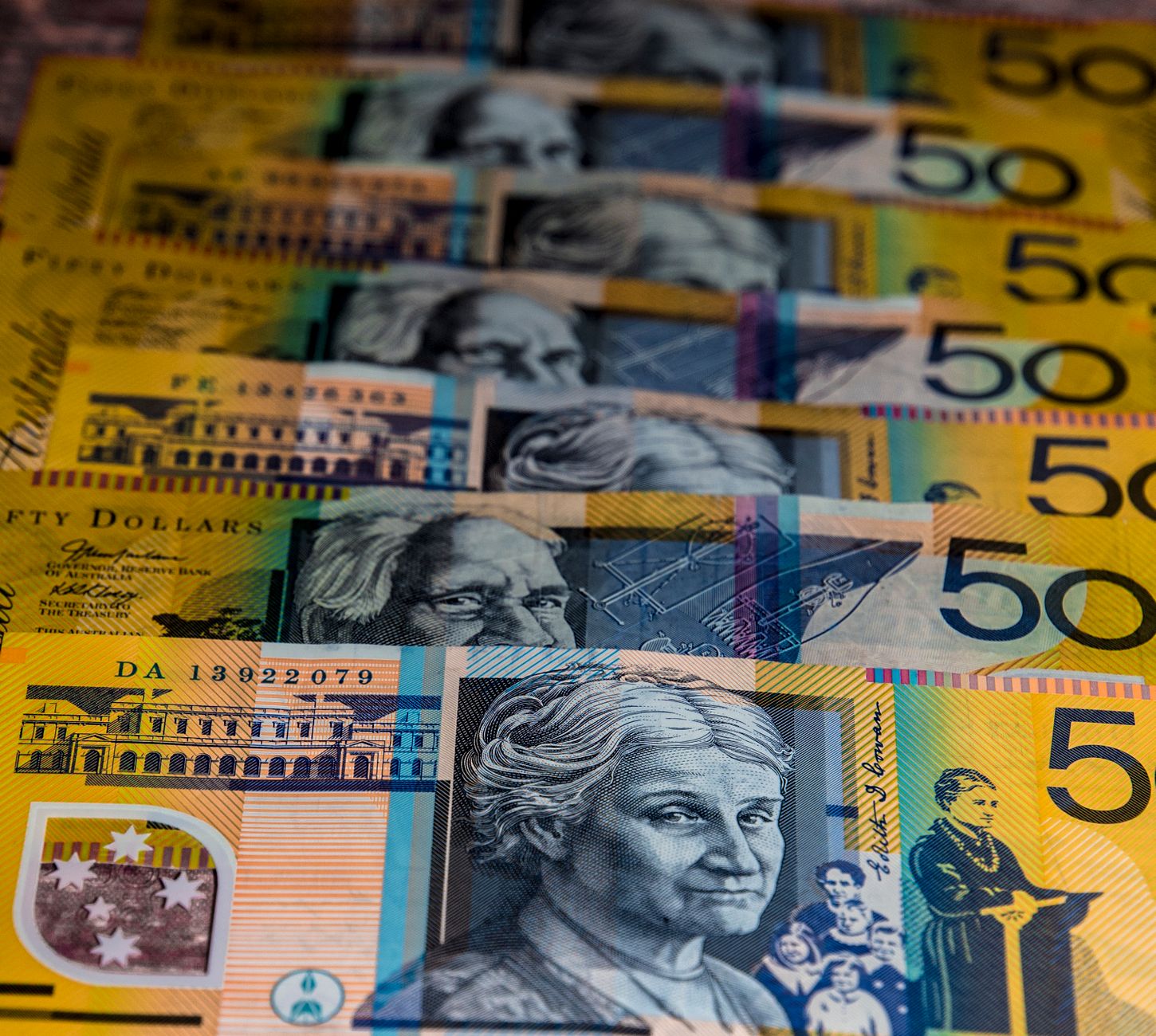
The global movement toward plastic or polymer banknotes has accelerated over the past decade, with more than 50 countries now using these durable alternatives to traditional paper currency. For investors, this transition represents a complex landscape of opportunities and risks that extends beyond the obvious printing and manufacturing sectors.
Understanding the Polymer Currency Revolution
Polymer banknotes, made from a thin, flexible plastic film, were pioneered by Australia in 1988 and have since gained traction worldwide. The Reserve Bank of India has periodically tested plastic notes, though widespread adoption remains under consideration. These notes typically last 2.5 to 4 times longer than paper notes, resist moisture and dirt better, and incorporate advanced security features that make counterfeiting significantly more difficult.
The extended lifespan alone creates a compelling economic argument. When banknotes last longer, central banks require fewer replacements, reducing long-term printing costs despite higher initial production expenses. This durability factor has driven adoption in countries with humid climates or where currency circulates heavily through challenging conditions.
Investment Opportunities in the Supply Chain
The transition to polymer currency creates several investment touchpoints across the manufacturing ecosystem. Specialized substrate producers who create the base material for these notes occupy a relatively concentrated market. Companies involved in security printing technology, including those developing sophisticated transparent windows, holographic features, and color-shifting inks, benefit from the complexity required in modern polymer notes.
Additionally, the machinery and equipment needed to print and process polymer notes differs from traditional currency printing infrastructure. This creates opportunities in the specialized printing equipment sector, as countries must invest in new production capabilities or upgrade existing facilities.
The raw materials sector also sees impact, particularly in polymer production and the specialized chemicals used in currency manufacturing. These tend to be high-margin businesses with significant barriers to entry due to stringent security requirements and technological expertise needed.
The Environmental Paradox
Perhaps the trickiest aspect of the plastic banknote case involves environmental considerations, creating both reputational risks and opportunities for investors. While polymer notes last longer—reducing overall production frequency and the resources consumed in manufacturing and distribution—they are plastic products in an era of increasing plastic scrutiny.
Paper banknotes, despite being called "paper," typically contain cotton and linen fibers rather than wood pulp, and their production involves considerable water and chemical use. Polymer notes can theoretically be recycled, though establishing effective collection and recycling systems poses logistical challenges given currency's dispersed nature and security concerns.
This environmental complexity means companies in this space face evolving regulatory landscapes and shifting public perception. Investors must weigh the efficiency gains against potential greenwashing accusations and changing sustainability standards.
Market Concentration and Geopolitical Factors
The polymer banknote industry demonstrates significant market concentration, with a handful of companies dominating substrate production and security feature development. This concentration can provide competitive moats for established players but also creates supply chain vulnerabilities.
Geopolitical considerations add another layer of complexity. Currency production is often considered strategically sensitive, leading countries to develop domestic production capabilities or carefully select international partners. Trade tensions, sanctions, or national security concerns can rapidly reshape market access and competitive dynamics.
Emerging Market Considerations
For investors focused on emerging markets, the polymer transition presents particular interest. Many developing economies face challenges with counterfeit currency and harsh environmental conditions that accelerate paper note deterioration. These factors make polymer adoption attractive, potentially creating sustained demand for transition-related products and services.
However, the higher upfront costs of polymer note production and infrastructure investment may slow adoption in countries with budget constraints or competing priorities. The timing and pace of these transitions significantly impact investment returns in this sector.
The Digital Currency Wild Card
The ultimate trick in the plastic banknote investment case involves digital currency proliferation. As central bank digital currencies (CBDCs) and digital payment systems gain traction globally, physical currency demand may face long-term headwinds. While cash remains essential in many economies, particularly for financial inclusion and privacy concerns, the growth trajectory of physical currency—regardless of substrate—faces genuine uncertainty.
Investors must therefore evaluate polymer banknote opportunities within a potentially contracting long-term market for physical currency, even as the transition from paper to plastic continues.
This article is for general informational purposes only and does not constitute investment advice. Investors should conduct thorough research and consult with qualified financial advisors before making investment decisions.