In the pursuit of optimal health, most people diligently track their steps, monitor calorie intake, and squeeze in gym sessions. Yet there's one crucial aspect of wellness that frequently falls through the cracks: oral health. Far from being merely cosmetic, the health of your teeth and gums serves as a gateway to your overall physical wellbeing.
The Mouth-Body Connection
Your mouth isn't an isolated system. It's teeming with bacteria—most harmless, but some potentially dangerous if allowed to proliferate unchecked. When oral hygiene falters, harmful bacteria can enter the bloodstream through inflamed gums, triggering a cascade of health issues throughout the body.
Research has established strong links between poor oral health and several serious conditions. Periodontal disease, characterized by inflamed and infected gums, has been associated with cardiovascular disease, diabetes complications, respiratory infections, and even adverse pregnancy outcomes. The inflammation that begins in the mouth doesn't stay confined there.
Why Indians Need To Pay Closer Attention
India faces particular challenges when it comes to oral health. Despite growing health awareness, dental care remains a lower priority for many households. According to various health surveys, a significant percentage of Indians have never visited a dentist, and conditions like gum disease and tooth decay remain highly prevalent across age groups.
Cultural dietary habits, including frequent consumption of sugary chai and sweets during festivals and daily life, contribute to dental problems. Pan masala and tobacco use further compound the issue, leading to higher rates of oral cancer in India compared to many other countries.
The Daily Habits That Make A Difference
Building a solid oral health routine doesn't require expensive equipment or hours of time. The fundamentals remain simple yet powerful:
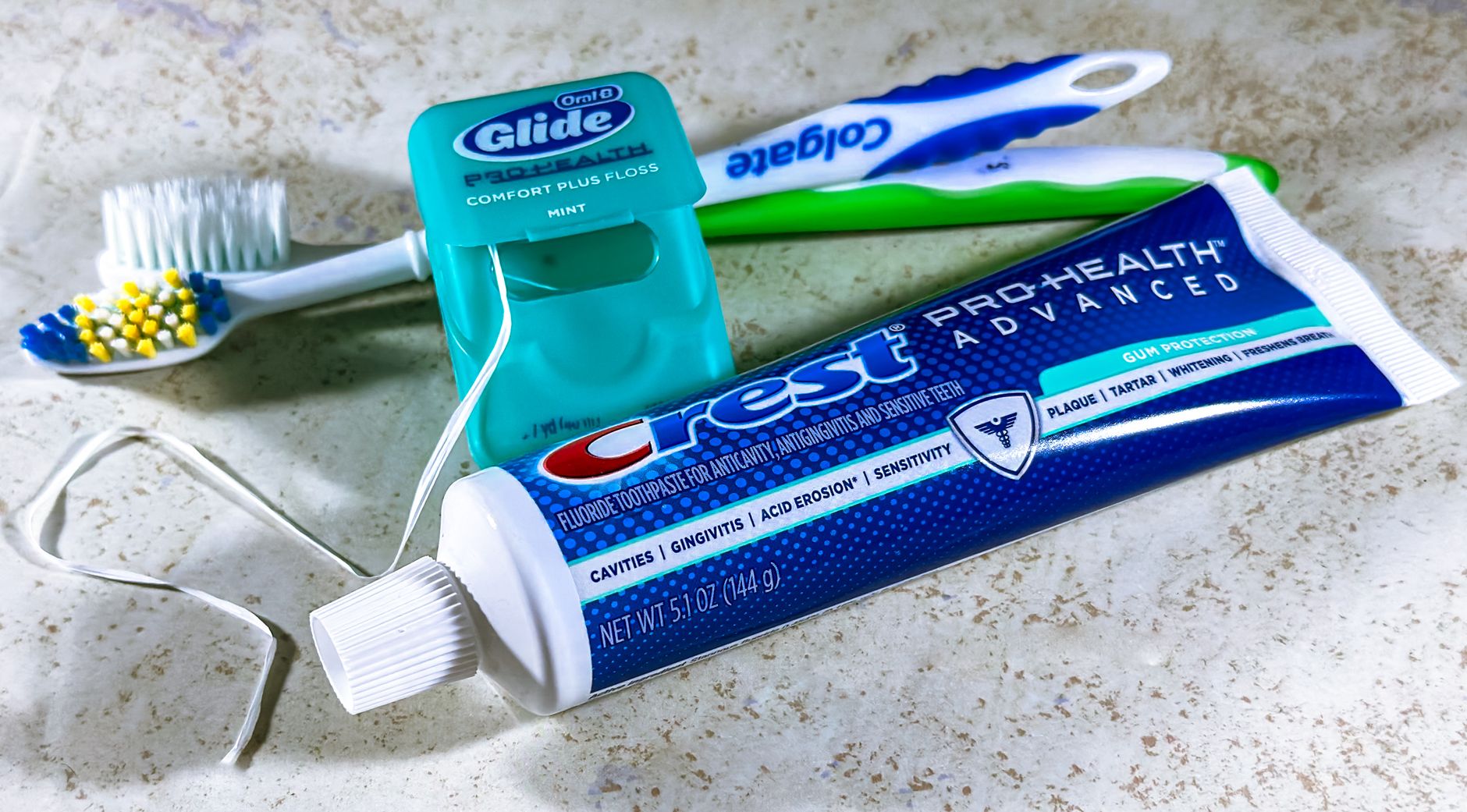
- Brush twice daily for two minutes using fluoride toothpaste
- Floss at least once daily to remove plaque between teeth
- Use an antimicrobial mouthwash to reduce bacteria
- Replace your toothbrush every three months
- Stay hydrated to maintain saliva production, which naturally protects teeth
These habits, when practiced consistently, can dramatically reduce your risk of cavities, gum disease, and the systemic health problems they can trigger.
Beyond Brushing: What Else Matters
Your oral health extends beyond your brushing technique. Diet plays a crucial role. Frequent snacking, particularly on sugary or acidic foods, creates an environment where harmful bacteria thrive. Every time you eat, bacteria in your mouth produce acid that attacks tooth enamel for about 20 minutes.
Limiting sugar intake, choosing water over sugary beverages, and eating crunchy fruits and vegetables that stimulate saliva production all contribute to a healthier mouth. Foods rich in calcium, phosphorus, and vitamin C support strong teeth and healthy gums.
Stress management also matters more than most people realize. Chronic stress can lead to teeth grinding, jaw clenching, and even neglect of oral hygiene routines. It may also suppress immune function, making it harder for your body to fight off gum infections.
The Professional Care Component
Even with impeccable home care, professional dental check-ups remain essential. Dentists can spot problems in their earliest stages when they're easiest and least expensive to treat. Professional cleanings remove tartar buildup that regular brushing cannot eliminate.
Most dental professionals recommend visits every six months, though some individuals may need more frequent appointments based on their risk factors. Those with diabetes, heart disease, or a history of gum disease often benefit from quarterly check-ups.
Making Oral Health A Priority
Integrating oral health into your wellness routine requires a mindset shift. Instead of viewing dental care as separate from general health, recognize it as foundational. Your morning and evening oral hygiene routines are as important as your workout schedule or meal planning.
For families, establishing these habits early in children creates lifelong patterns. Making tooth brushing fun for kids, limiting sugary treats, and ensuring regular dental visits sets them up for better health outcomes throughout their lives.
The financial argument also holds weight. Preventive dental care costs a fraction of treating advanced decay or gum disease. When you factor in the potential costs of treating systemic diseases linked to poor oral health, the investment in basic dental hygiene becomes even more compelling.
Your smile is more than an aesthetic asset—it's a window into your overall health status and a modifiable factor that influences your wellbeing from head to toe.
This article is for general informational purposes only and does not constitute medical or dental advice. Consult with qualified healthcare professionals for personalized recommendations regarding your oral health needs.