Taiwan is making strategic moves to capture a larger share of India's booming outbound tourism market by introducing a co-funded familiarisation (FAM) trip model. This collaborative approach marks a significant shift in how destination marketing organisations engage with travel trade partners, particularly in emerging markets like India.
What Are FAM Trips and Why Do They Matter
Familiarisation trips, commonly known as FAM trips in the travel industry, are sponsored visits that allow travel agents, tour operators, and travel media to experience a destination firsthand. These trips are essential marketing tools that help travel professionals understand what they're selling, enabling them to recommend destinations more confidently to their clients.
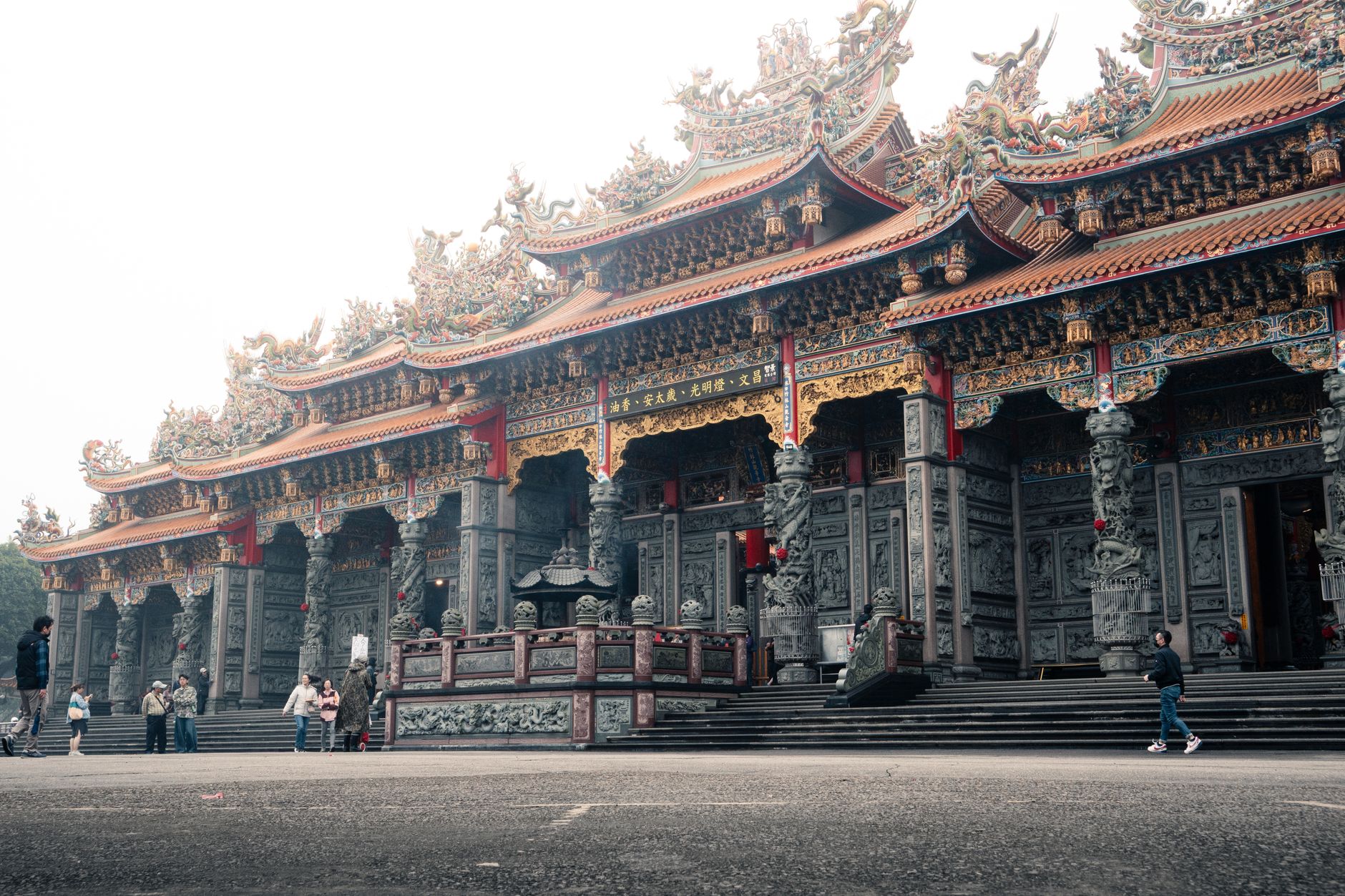
For Taiwan, FAM trips serve multiple purposes. They showcase the island nation's diverse attractions, from the bustling night markets of Taipei to the scenic Taroko Gorge, while building relationships with Indian travel trade professionals who can then promote Taiwan packages to Indian tourists.
The Co-Funded Model Explained
Unlike traditional FAM trips where the destination tourism board bears the entire cost, Taiwan's co-funded model involves cost-sharing between the Taiwan Tourism Administration and participating Indian travel companies. This partnership approach typically means that while Taiwan covers major expenses like accommodation, internal transport, and entrance fees, the travel agents contribute toward their international airfare or a portion of the overall trip cost.
This model offers several advantages. Travel agents who invest their own money tend to be more committed and engaged participants. They're more likely to actively promote the destination afterward since they have a financial stake in making the trip worthwhile. For Taiwan, this approach also allows them to host more FAM trips with the same budget, maximising their reach across India's vast travel trade network.
Why Taiwan Is Focusing on India
India's outbound tourism market has been growing exponentially, with middle-class expansion and increasing disposable incomes driving international travel. Indian tourists are seeking diverse experiences beyond traditional destinations, making Taiwan an attractive option with its blend of modernity, traditional Chinese culture, natural beauty, and renowned food culture.
Taiwan offers several unique selling points for Indian travellers. The destination is relatively affordable compared to other East Asian countries like Japan or South Korea. It's also known for being extremely safe, with efficient public transportation and English-speaking locals in major tourist areas. For Indian tourists, particularly vegetarians, Taiwan's Buddhist-influenced cuisine provides plenty of meat-free options.
Building Deeper Trade Relationships
The co-funded FAM model goes beyond simple destination promotion. It's about creating lasting partnerships with Indian tour operators who will consistently include Taiwan in their product portfolios. When travel agents invest their own resources to learn about a destination, they develop a sense of ownership and are more likely to become long-term advocates.
These trips typically include meetings with local tourism stakeholders, hotel site inspections, visits to attractions, and networking sessions. Indian tour operators gain valuable ground knowledge about logistics, pricing, and unique experiences they can package for different customer segments, from honeymooners to family groups to senior citizen tours.
Impact on Indian Travellers
For Indian tourists planning to visit Taiwan, this initiative should translate into better-informed travel agents who can craft more authentic and well-planned itineraries. Agents who have personally experienced Taiwan's attractions, understood local customs, tasted the food, and tested the transportation systems can provide more accurate advice and realistic expectations to their clients.
This should also lead to more competitive pricing as increased awareness among travel agents creates more Taiwan packages in the market. With multiple operators offering Taiwan tours, travellers benefit from better options and potentially better deals.
Challenges and Opportunities
While the co-funded model presents opportunities, challenges remain. Taiwan faces stiff competition from established Asian destinations like Thailand, Singapore, and Malaysia, which have long-standing relationships with Indian tour operators. Visa policies, flight connectivity, and marketing budgets all play crucial roles in determining success.
However, Taiwan's timing is strategic. As Indian tourists increasingly seek off-the-beaten-path destinations and authentic cultural experiences, Taiwan's relatively undiscovered status in the Indian market could work to its advantage. The co-funded FAM model demonstrates Taiwan's commitment to building sustainable, mutually beneficial relationships with Indian travel trade partners rather than pursuing short-term promotional gains.
This article is for general information purposes only. Travel plans and business decisions should be made based on individual research and current regulations.