Taiwan Tourism Bureau's recent adoption of a co-investment Familiarization (FAM) trip model for the Indian market represents an innovative approach to destination marketing and partnership building. This initiative signals Taiwan's growing interest in attracting Indian tourists and its willingness to share investment risks with Indian travel industry stakeholders.
Understanding the FAM Trip Concept
Familiarization trips, commonly known as FAM trips, are educational tours organized by tourism boards, hotels, or destinations for travel agents, tour operators, and travel influencers. The primary purpose is to give these industry professionals firsthand experience of a destination so they can better sell it to their clients. Traditionally, destinations bear the entire cost of hosting these trips, but Taiwan's co-investment model introduces a collaborative financial framework.
What Makes Co-Investment Different
Under the co-investment model, both Taiwan Tourism Bureau and participating Indian travel companies share the costs associated with FAM trips. This partnership approach differs from conventional fully-sponsored FAMs in several ways. Indian tour operators and travel agents contribute financially to the trip, demonstrating their genuine commitment to developing Taiwan as a destination. Meanwhile, Taiwan Tourism provides partial subsidies, infrastructure support, and organized itineraries that showcase the country's tourism offerings comprehensively.
This shared investment creates a stronger sense of ownership among Indian travel professionals. When agents invest their own resources, they're more likely to actively promote Taiwan packages upon returning, ensuring better return on investment for both parties.
Why Taiwan is Targeting India
India represents one of the world's fastest-growing outbound travel markets. With a burgeoning middle class, increasing disposable incomes, and a strong appetite for international travel, Indian tourists are highly sought after by destinations worldwide. Taiwan recognizes this potential and has been working to position itself as an attractive alternative to more traditional Asian destinations like Thailand, Singapore, and Malaysia.
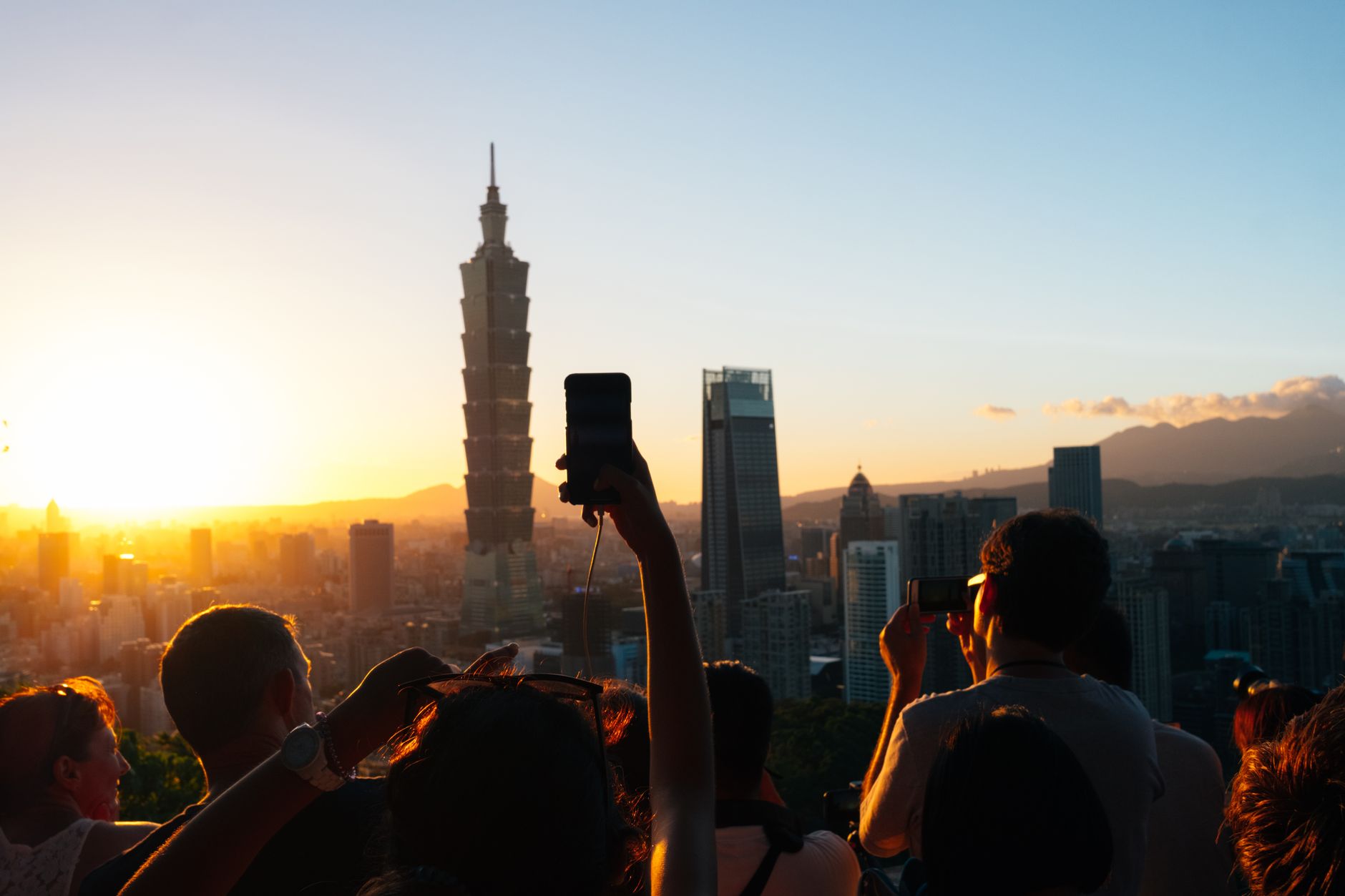
Taiwan offers several unique selling points for Indian travelers including visa-free entry for certain categories, diverse attractions ranging from modern cities to natural hot springs, excellent public transportation, and a reputation for safety and cleanliness. The island nation also boasts night markets, aboriginal culture, scenic mountain railways, and a fascinating blend of Chinese, Japanese, and indigenous influences.
Benefits for Indian Travel Industry
The co-investment FAM model provides multiple advantages for Indian travel agents and tour operators. Participants gain comprehensive knowledge of Taiwan's tourism infrastructure, including accommodation options across different price points, transportation networks, attractions, and local cuisine. This firsthand experience enables them to create better-curated itineraries and provide informed recommendations to clients.
Additionally, the financial participation requirement filters out passive participants, ensuring that those who join are seriously interested in developing Taiwan business. The trips also facilitate direct relationships with Taiwanese hotels, transport operators, and local service providers, potentially leading to better rates and exclusive arrangements.
Impact on Indian Travelers
For Indian tourists, this initiative translates into better-designed Taiwan tour packages. Travel agents who have personally explored Taiwan can offer insider tips, realistic expectations, and well-planned itineraries that maximize the travel experience. They understand practical considerations like dietary requirements for vegetarian Indian travelers, prayer facilities, and cultural nuances that matter to Indian families.
The increased focus on Taiwan as a destination also typically results in more competitive pricing as multiple operators begin offering packages, improved group tour options with experienced guides, and specialized itineraries catering to different traveler segments including honeymooners, families, and adventure enthusiasts.
Industry Perspective
From an industry standpoint, the co-investment model represents a maturing of destination marketing strategies. It moves beyond one-sided promotional efforts toward genuine partnerships where both parties have skin in the game. This approach encourages accountability, ensures quality participation, and builds longer-term business relationships rather than transactional interactions.
For Taiwan, this model helps identify seriously committed partners in the Indian market while managing promotional budgets more efficiently. For Indian travel companies, the partial subsidy reduces exploration costs while the financial commitment ensures they maximize the learning opportunity.
The Broader Trend
Taiwan's initiative reflects a broader trend in tourism marketing where destinations seek more sustainable, partnership-based approaches rather than purely promotional spending. As competition for tourist dollars intensifies globally, such collaborative models may become increasingly common, reshaping how destinations and travel trade professionals interact across international markets.