The Indian government's ambitious ₹7,597 crore investment in expanding National Highway 63 and National Highway 563 marks a transformative moment for northern Telangana's travel infrastructure. This mega project is set to reshape how millions of travelers, pilgrims, and businesses navigate one of India's most culturally significant yet underserved regions.
Understanding the Highway Expansion Project
The expansion project focuses on upgrading and widening critical stretches of NH-63 and NH-563 that connect major districts in northern Telangana. These highways serve as vital arteries linking the region to neighboring states including Maharashtra, Chhattisgarh, and other parts of Telangana itself. The current infrastructure has struggled to accommodate growing traffic volumes, leading to congestion, longer travel times, and safety concerns.
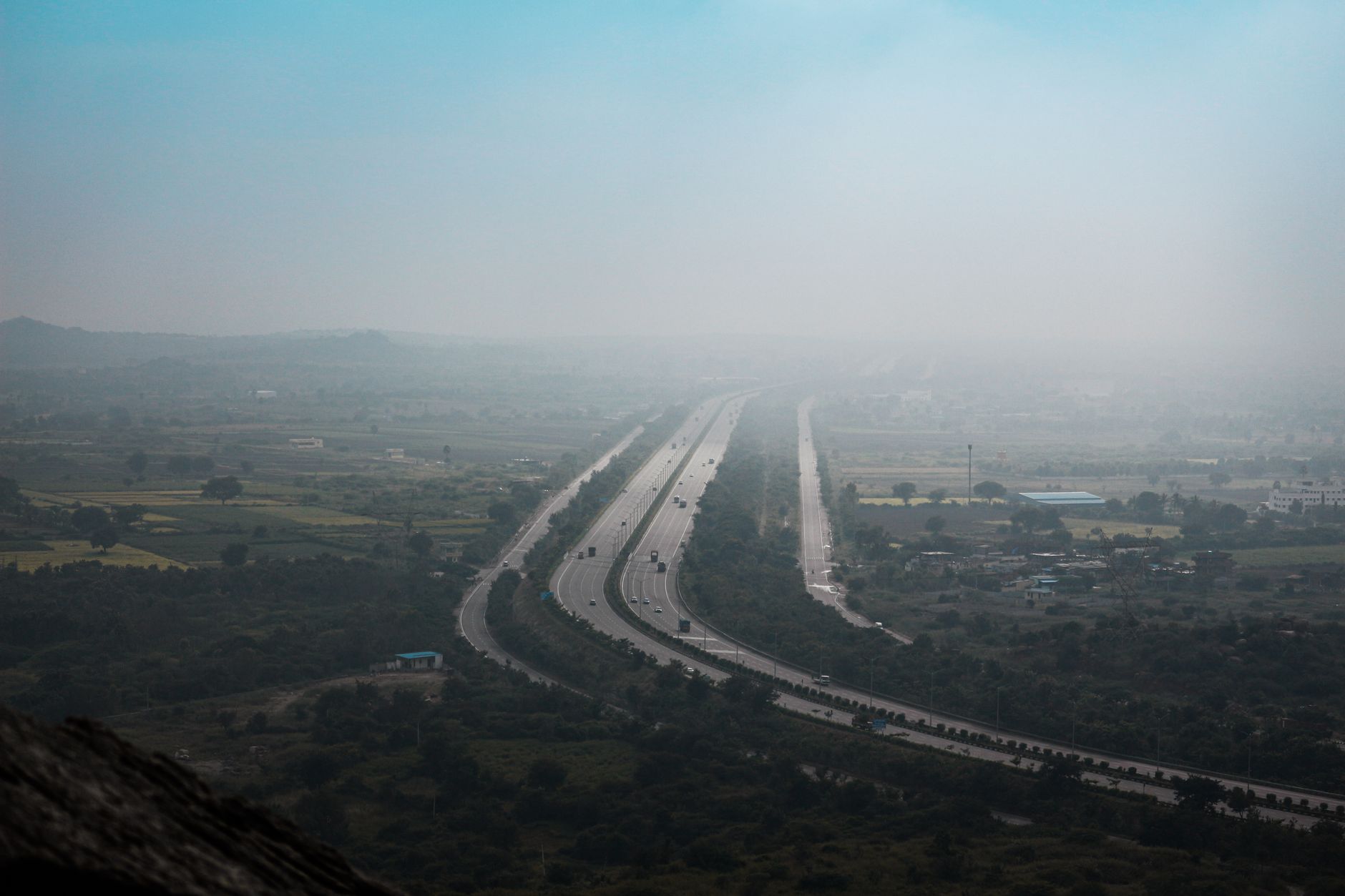
The project involves converting existing two-lane sections into four-lane or six-lane carriageways with modern safety features, improved drainage systems, and better road surfaces designed to withstand heavy traffic loads. This infrastructure overhaul will dramatically reduce travel time between major towns and cities while improving road safety standards.
Impact on Pilgrimage Tourism
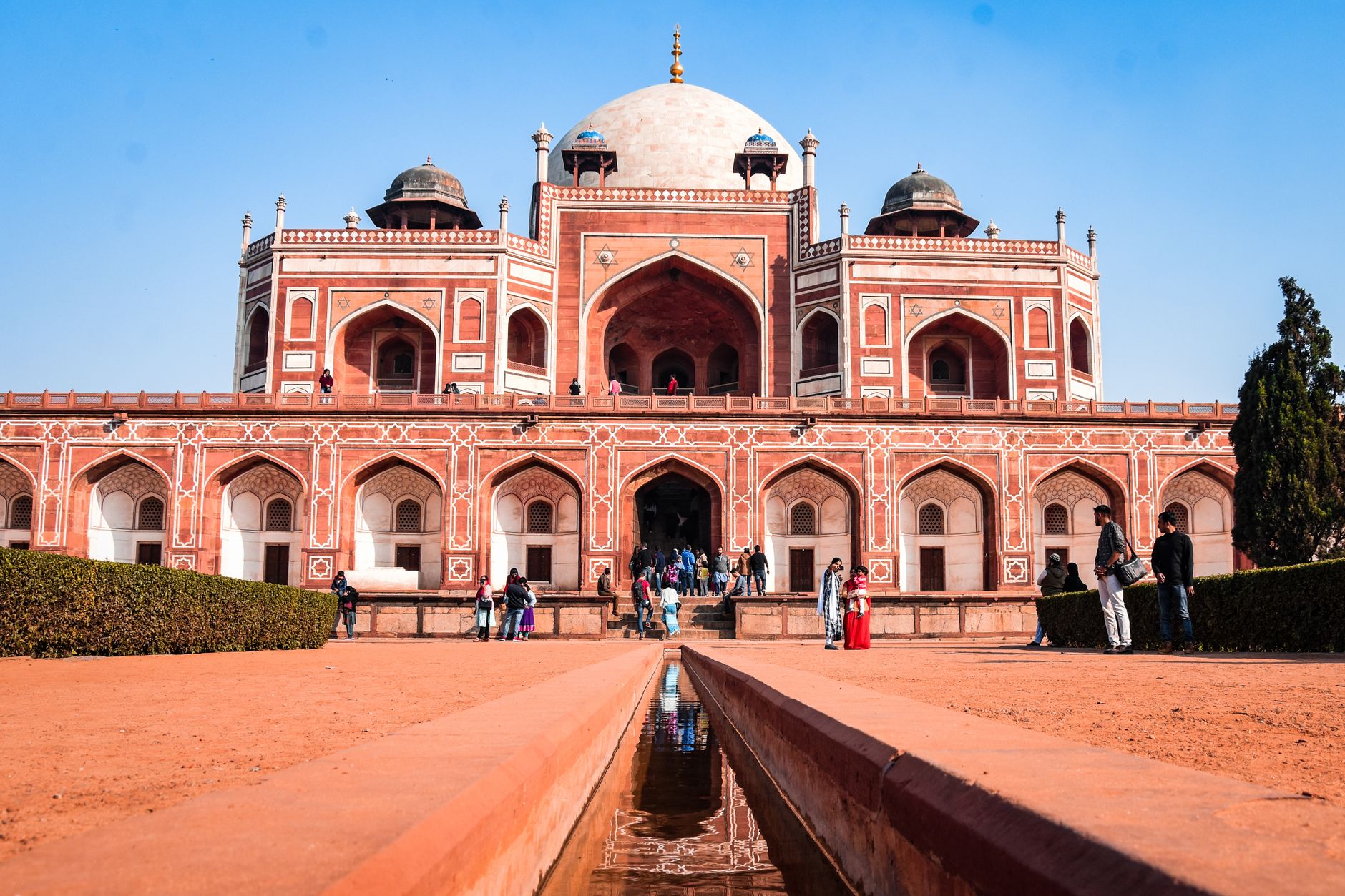
Northern Telangana hosts numerous significant religious sites that attract millions of devotees annually. The region is home to ancient temples, historical pilgrimage centers, and cultural heritage sites that have been hampered by poor connectivity. The improved highway network will make these destinations far more accessible to domestic and international tourists.
Key pilgrimage sites expected to benefit include temples and religious centers in districts like Adilabad, Nizamabad, Karimnagar, and Kamareddy. Better road connectivity means pilgrims can undertake journeys more comfortably, with reduced travel fatigue and improved access to facilities along the route. This enhanced accessibility is likely to significantly increase visitor numbers, particularly during festival seasons.
Tourism infrastructure development typically follows improved highway connectivity. Hotels, restaurants, fuel stations, and other traveler amenities are expected to proliferate along these upgraded routes, creating a comprehensive ecosystem for religious tourism. This development could position northern Telangana as a more competitive pilgrimage destination within India's growing spiritual tourism market.
Economic Growth and Trade Facilitation
The highway expansion extends far beyond tourism benefits. Northern Telangana's economy relies heavily on agriculture, with major production of crops including rice, cotton, turmeric, and various pulses. Improved highway infrastructure will dramatically reduce logistics costs for farmers and traders, enabling faster transportation of perishable goods to markets across multiple states.
Manufacturing and industrial sectors will also benefit substantially. The region has significant potential for industrial development, but infrastructure deficits have historically deterred investment. World-class highway connectivity makes the region more attractive for manufacturing facilities, warehouses, and logistics hubs, potentially triggering a new wave of industrial investment.
Regional Connectivity Benefits
The expanded highways will strengthen connections between northern Telangana and major metropolitan areas including Hyderabad, Nagpur, and Raipur. This improved connectivity facilitates business travel, enables better supply chain integration, and opens opportunities for regional economic cooperation.
Local communities will experience transformative changes in their daily lives. Access to healthcare facilities in larger towns becomes more practical, educational institutions become more accessible for students, and employment opportunities expand as the region becomes better integrated with urban economic centers.
Travel Time Reductions and Safety Improvements
Current travel times between key northern Telangana towns and major cities can be prohibitively long due to road conditions and congestion. The highway expansion is expected to reduce travel times by 30-40 percent on key routes, making day trips feasible where they previously required overnight stays.
Modern safety features including proper lane markings, median dividers, improved lighting, designated pedestrian crossings, and emergency stopping areas will significantly reduce accident rates. Better road engineering with gentler curves and improved visibility will make these highways among the safest in the region.
Timeline and Implementation
Large-scale infrastructure projects of this magnitude typically require several years for completion. The phased implementation approach ensures that some sections become operational earlier, delivering immediate benefits while work continues on other stretches. This strategy minimizes disruption to existing traffic while progressively improving the overall network.
The economic multiplier effects of such infrastructure spending extend throughout the construction phase, creating thousands of direct and indirect employment opportunities in construction, materials supply, and support services.
This disclaimer is provided for informational purposes only. Travelers should verify current road conditions and project completion status before planning journeys. Infrastructure project timelines and specifications are subject to change based on government decisions and ground realities.