India's tourism sector stands at a critical juncture as the Services Export Promotion Council (SEPC) initiates broad-based consultations with industry players to formulate a comprehensive export agenda. This collaborative approach signals a renewed focus on positioning tourism not merely as a domestic economic driver but as a significant contributor to India's foreign exchange earnings and international brand value.
Understanding Tourism as an Export Service
Tourism represents one of India's most promising export sectors, even though visitors come to the country rather than products going out. When international tourists spend money on accommodation, food, transport, shopping, and experiences within India, these expenditures count as service exports. In 2019, before the pandemic disrupted global travel, India earned approximately USD 30 billion from foreign tourist arrivals, demonstrating the sector's substantial export potential.
The SEPC's initiative recognizes that harnessing this potential requires coordinated efforts across multiple stakeholders including hotels, tour operators, airlines, state tourism boards, heritage site managers, and hospitality training institutions.
Key Priorities for India's Tourism Export Strategy
Several critical areas require industry consensus to strengthen India's competitive position in global tourism markets.
Infrastructure development remains paramount. International tourists often cite concerns about transportation connectivity, cleanliness at popular destinations, and quality accommodations outside major metros. Building consensus on investment priorities and public-private partnership models can help address these systemic challenges.
Visa and immigration policies significantly impact tourist inflows. While India has made progress with e-visa facilities for numerous countries, streamlining application processes and expanding coverage can make India more accessible compared to competitor destinations in Southeast Asia and Europe.
Skills development across the hospitality workforce directly affects tourist satisfaction. Standardized training programs, language skills, and service excellence benchmarks require industry-wide agreement on implementation frameworks.
Regional Diversity as a Marketing Asset
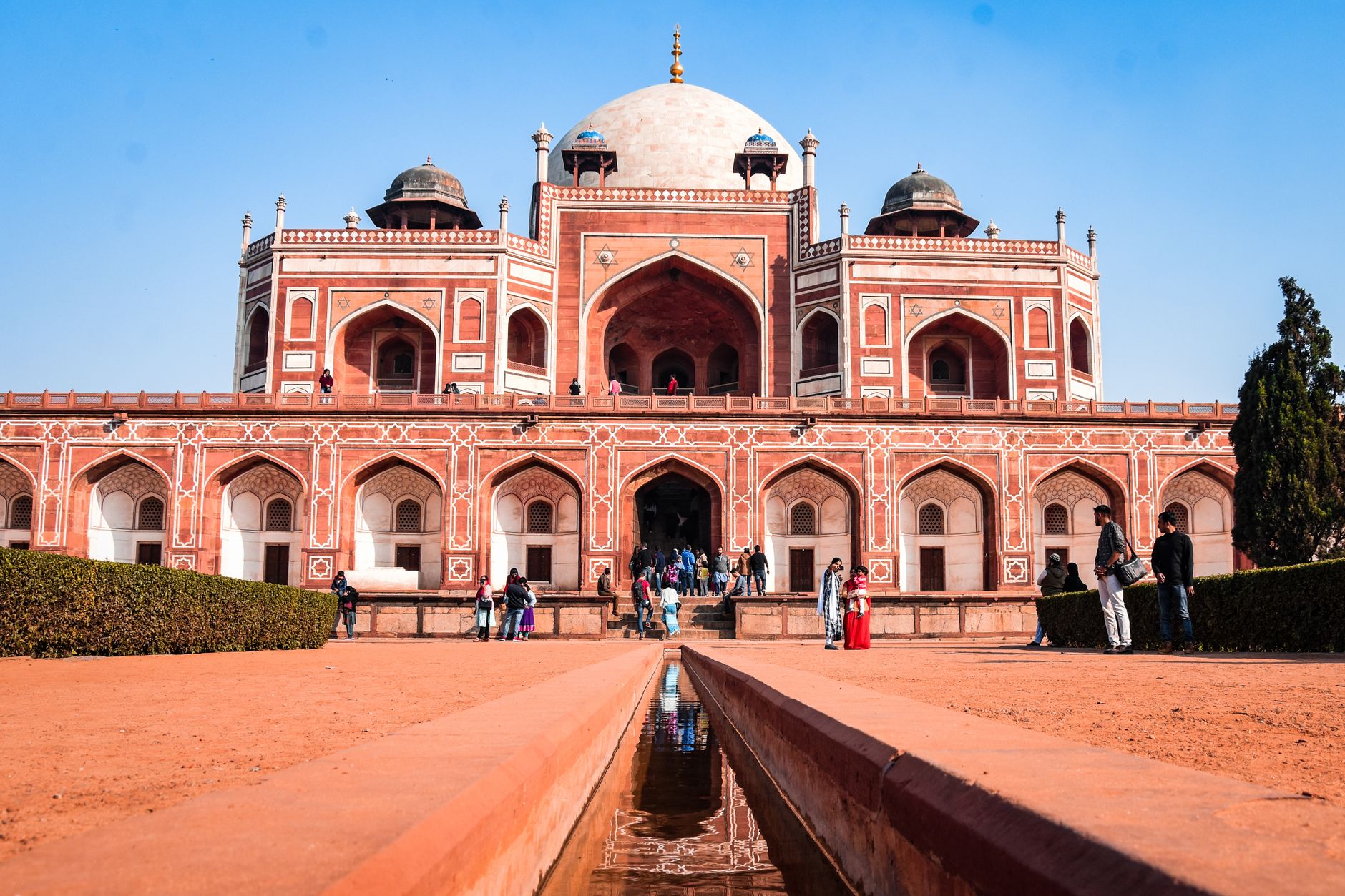
India's extraordinary geographic and cultural diversity presents both opportunities and challenges for tourism promotion. From Himalayan mountain experiences to tropical beaches, ancient architectural wonders to vibrant metropolitan centres, the country offers varied attractions that appeal to different traveler segments.
Creating cohesive marketing narratives while respecting regional uniqueness requires careful coordination. State governments often pursue independent tourism strategies, sometimes competing rather than complementing each other. An effective national export agenda must balance centralized branding with regional autonomy.
Sustainability and Responsible Tourism
Modern travelers increasingly prioritize sustainable and responsible tourism practices. India's tourism export strategy must address environmental concerns, heritage conservation, and community benefits from tourism development.
Industry consensus on sustainability standards can help India attract high-value tourists who seek authentic, environmentally conscious experiences. This includes developing eco-tourism circuits, implementing waste management systems at popular sites, and ensuring local communities receive fair economic benefits.
Digital Infrastructure and Marketing
Digital transformation has fundamentally changed how tourists research, plan, and book their trips. India's tourism sector requires unified digital infrastructure including online booking platforms, digital payment systems, and integrated information portals.
Coordinated digital marketing campaigns targeting specific international markets can amplify India's reach. Japan, South Korea, Australia, and emerging markets in Africa and Latin America represent growth opportunities beyond traditional source markets in Europe and North America.
Recovery and Resilience Post-Pandemic
The COVID-19 pandemic severely impacted global tourism, and recovery remains uneven. India's tourism export agenda must incorporate lessons learned about crisis management, health safety protocols, and building resilient business models.
Industry consensus on standardized health and safety measures reassures international travelers while maintaining operational viability for tourism businesses. Flexible cancellation policies, travel insurance mechanisms, and crisis communication protocols strengthen the sector's resilience.
Competitive Positioning
India faces intense competition from destinations like Thailand, Malaysia, Turkey, and the UAE, which have aggressively developed their tourism infrastructure and marketing. Learning from competitor strategies while leveraging India's unique strengths requires honest assessment and strategic planning.
Pricing competitiveness, visa ease, flight connectivity, and perceived safety all influence tourist decision-making. Industry consensus helps align private sector capabilities with government policy reforms to improve India's competitive position.
Moving Forward
The SEPC's consultation process represents an important step toward creating a unified vision for India's tourism exports. Success depends on translating industry consensus into actionable policies, sustained investment, and coordinated implementation across government levels and private stakeholders.
As India aims to become a USD 5 trillion economy, tourism exports must play a significant role. Building consensus today lays the foundation for capturing a larger share of global tourism spending in the years ahead, creating jobs, preserving cultural heritage, and showcasing India's remarkable diversity to the world.