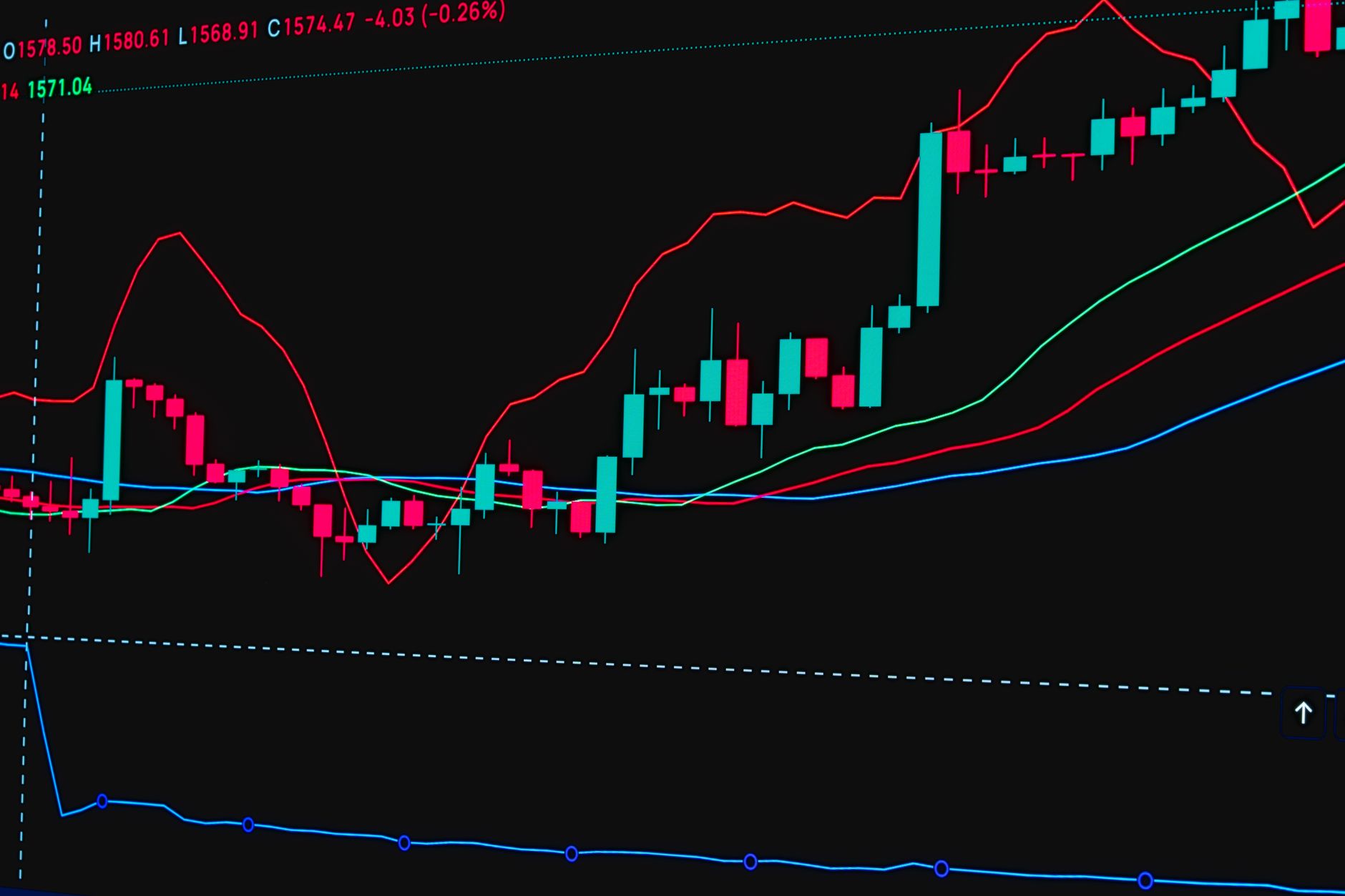
Indian stock markets experienced a significant downturn in today's trading session, with benchmark indices witnessing substantial losses. The BSE Sensex plummeted nearly 900 points while the Nifty50 index closed below the psychologically important 23,800 level, leaving investors concerned about the market's near-term trajectory.
Global Economic Headwinds
International market sentiment has turned increasingly cautious as major global economies grapple with persistent economic challenges. When foreign institutional investors become risk-averse, they typically reduce exposure to emerging markets like India, leading to significant capital outflows. The ripple effects of global uncertainty often manifest as selling pressure across Indian equities, particularly in sectors heavily dependent on foreign investment.
Central bank policies in developed nations continue to influence liquidity conditions worldwide. Any indication of prolonged tight monetary policies or unexpected economic data from major economies can trigger a domino effect, causing investors to reassess their portfolio allocations across Asian markets.
Rupee Depreciation Concerns
The Indian rupee's performance against major currencies, particularly the US dollar, plays a crucial role in market sentiment. When the domestic currency weakens, it raises concerns about increased import costs, inflationary pressures, and the health of the broader economy. Foreign investors also face currency-adjusted losses when the rupee depreciates, prompting them to pull back from Indian equities.
Currency volatility also impacts companies with significant foreign currency exposure, particularly those with substantial import bills or overseas debt obligations. This concern tends to weigh heavily on sectors like aviation, petroleum, and technology.
Rising Crude Oil Prices
Crude oil prices have a direct bearing on India's economic health, given that the country imports a significant portion of its petroleum requirements. Any sharp uptick in global crude prices immediately raises red flags about India's import bill, current account deficit, and inflationary trajectory.
Higher oil prices squeeze corporate margins across multiple sectors, from transportation and logistics to manufacturing and consumer goods. They also put pressure on government finances through fuel subsidies and can lead to policy tightening, all of which dampens investor sentiment.
Disappointing Corporate Earnings
The ongoing earnings season often sets the tone for market performance. When major companies across sectors report results below analyst expectations, it triggers reassessments of valuations and future growth prospects. Weak earnings can indicate several underlying issues:
- Slowing demand in key consumption categories
- Margin pressures due to rising input costs
- Competitive intensity affecting pricing power
- Sectoral headwinds impacting business fundamentals
- Execution challenges in key projects or initiatives
Earnings disappointments typically lead to downgrades by analysts, which further accelerates selling pressure as institutional investors adjust their positions based on revised target prices.
Profit Booking After Recent Rally
Markets that have experienced sustained rallies often undergo technical corrections as investors book profits. After touching new highs or experiencing significant gains, many traders and investors choose to lock in their returns, especially when valuations appear stretched relative to historical averages.
This profit-taking becomes more pronounced when other negative factors simultaneously emerge, creating a confluence of selling triggers. Technical levels and chart patterns also play a role, with breaks below key support levels often accelerating the decline as algorithmic and momentum-based trading strategies kick in.
Sectoral Impact
The selloff was broad-based but particularly severe in certain sectors. Banking and financial services stocks, which carry significant index weightage, witnessed heavy selling. Information technology stocks also came under pressure, while auto and realty sectors faced their share of challenges.
Mid-cap and small-cap indices typically experience more pronounced volatility during such corrections, often falling more sharply than benchmark indices as liquidity concerns prompt investors to move toward larger, more liquid stocks.
Looking Ahead
Market corrections, while unsettling, are a normal part of the investment cycle. Long-term investors often view such declines as potential opportunities to accumulate quality stocks at more reasonable valuations. However, it's essential to assess whether the current selloff is a temporary blip or the beginning of a more sustained downtrend.
Monitoring upcoming economic data, corporate announcements, and global developments will be crucial in determining the market's next direction. Investors should maintain a diversified portfolio and align their investment decisions with their risk tolerance and financial goals.
This article is for general informational purposes only and should not be considered as investment advice. Please consult with a qualified financial advisor before making any investment decisions based on market movements.