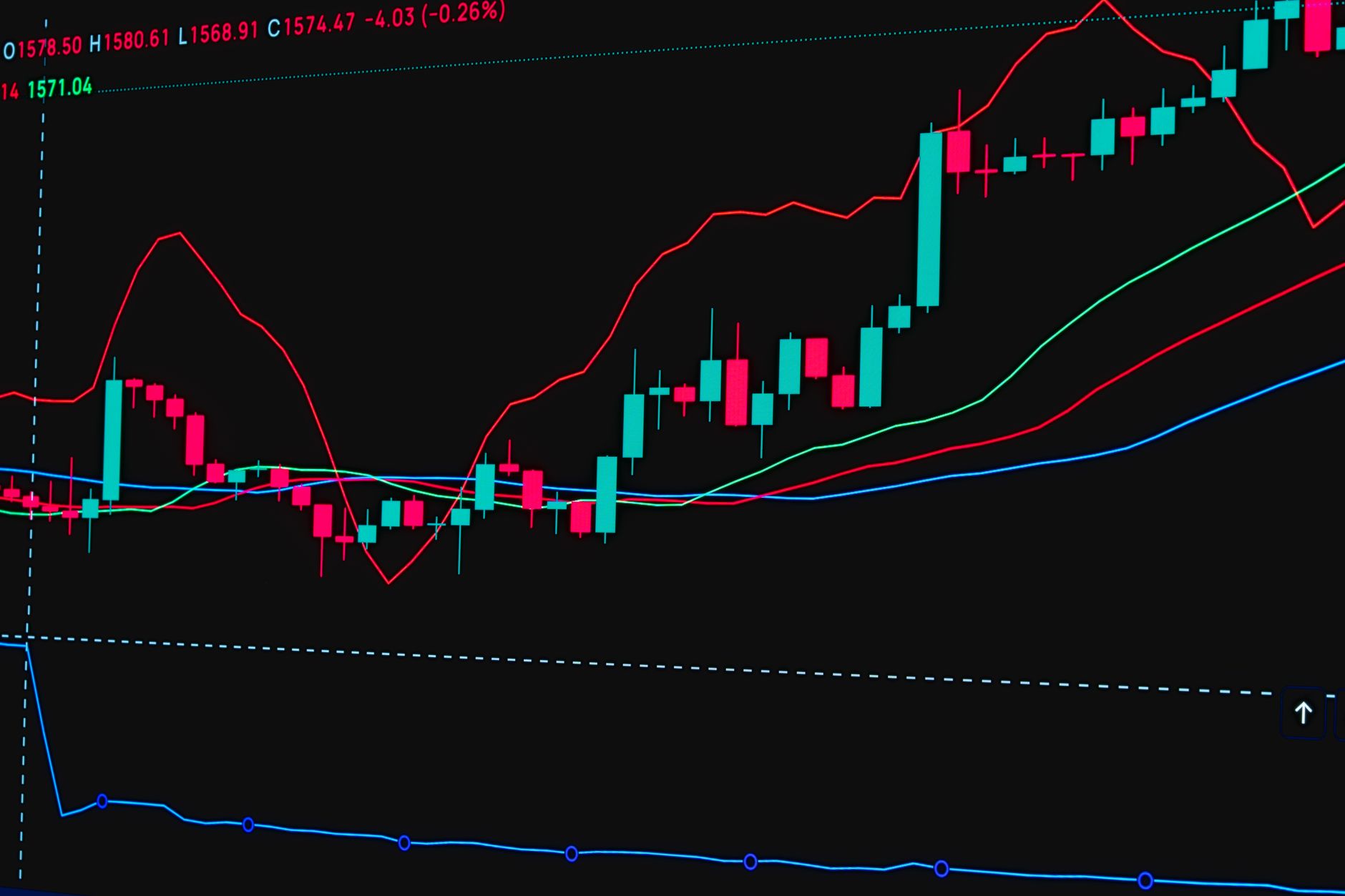
Indian stock markets opened on a positive note today, with the benchmark Sensex and Nifty indices posting gains in early trade. The rally was primarily led by information technology stocks, as investors positioned themselves strategically ahead of the first quarter earnings announcements from major Indian companies.
Understanding the Market Movement
The positive opening reflects growing investor confidence in certain sectors, particularly technology, which has shown resilience despite global economic uncertainties. IT stocks have historically been sensitive to global demand patterns, and their strong performance today suggests optimism about corporate earnings and business prospects.
Market indices serve as barometers of overall economic sentiment. When the Sensex and Nifty rise, it typically indicates that investors are confident about corporate performance, economic growth, or policy developments. Today's gains come at a crucial juncture as companies prepare to announce their quarterly results, which will provide concrete data on business performance.
Why IT Stocks Are Leading the Charge
The information technology sector holds significant weight in Indian stock indices, and several factors contribute to today's strong showing:
- Global demand for IT services remains robust, particularly in areas like digital transformation and cloud computing
- Favorable currency dynamics, as a weaker rupee can boost export revenues for IT companies
- Strong order books and deal pipelines reported by major IT firms in recent months
- Expectations of stable or improving margins despite cost pressures
IT companies are among the first to announce quarterly results, making their stock movements particularly significant as earnings season approaches. Investors often use IT sector performance as an early indicator of broader corporate health.
The Importance of Q1 Earnings Season
Quarterly earnings announcements are critical events that can significantly impact stock prices and market sentiment. The first quarter results are especially important as they set the tone for the financial year and help investors gauge:
- Revenue growth trends across sectors
- Margin performance and cost management efficiency
- Management commentary on business outlook and future guidance
- Impact of macroeconomic factors on business operations
Investors closely analyze these results to make informed decisions about which stocks to buy, hold, or sell. Strong earnings typically lead to stock price appreciation, while disappointing results can trigger sell-offs.
What Investors Should Watch
As the earnings season unfolds, market participants should pay attention to several key factors:
- Sector-specific performance trends, particularly in banking, IT, consumer goods, and automobiles
- Commentary from company management about demand conditions and order books
- Guidance for upcoming quarters and full-year expectations
- Impact of input cost inflation on profit margins
- Any revision in analyst estimates and target prices following results
Broader Market Dynamics
While IT stocks are leading today's gains, the overall market performance depends on multiple factors including domestic economic data, global market trends, foreign institutional investor flows, and monetary policy signals from the Reserve Bank of India.
Investors should also consider that market volatility often increases during earnings season, as stocks react to quarterly results and forward guidance. This can create both opportunities and risks for different types of investors.
Investment Strategies During Earnings Season
For those looking to navigate the markets during this period, consider these approaches:
- Avoid making impulsive decisions based solely on short-term price movements
- Focus on companies with strong fundamentals and consistent performance track records
- Diversify across sectors to manage risk
- Pay attention to valuations, not just price movements
- Consider long-term investment goals rather than short-term market fluctuations
The current market optimism, led by IT stocks, reflects positive sentiment, but individual investment decisions should be based on thorough research, risk appetite, and financial goals rather than market momentum alone.
This article is for general informational purposes only and should not be considered as financial advice. Market investments are subject to risks, and past performance does not guarantee future results. Readers should consult with qualified financial advisors before making investment decisions based on their individual circumstances and risk tolerance.