India has taken a significant step forward in combating dengue fever with the regulatory approval of QDENGA, a vaccine designed to protect against all four serotypes of the dengue virus. This development comes at a critical time when dengue cases continue to surge across the country, particularly during monsoon seasons when mosquito breeding intensifies.
Understanding QDENGA and How It Works
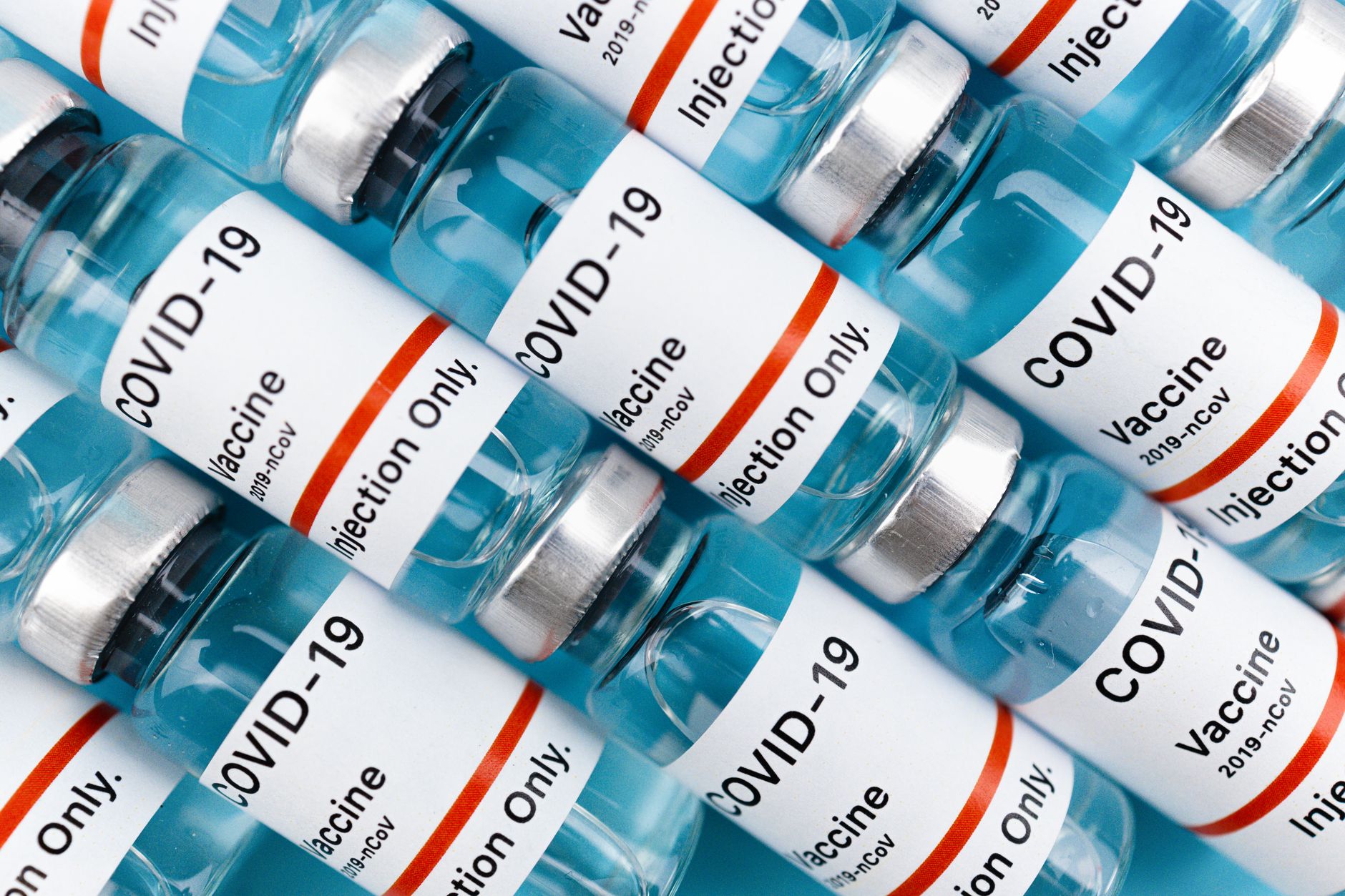
QDENGA is a live-attenuated tetravalent dengue vaccine, meaning it contains weakened versions of all four dengue virus strains. Developed over years of research, the vaccine works by training the immune system to recognize and fight off dengue infections without causing the actual disease.
The vaccine is administered in a two-dose schedule, with the second dose given three months after the first. Clinical trials have demonstrated its effectiveness in reducing dengue fever cases and preventing severe dengue, which can lead to life-threatening complications such as dengue hemorrhagic fever and dengue shock syndrome.
Why This Approval Matters for India
India reports hundreds of thousands of dengue cases annually, with the actual numbers likely much higher due to underreporting and misdiagnosis. The disease affects people across all age groups and socioeconomic backgrounds, causing significant healthcare burden and economic losses.
Previous dengue vaccines available in some markets faced limitations, including restrictions on use only in individuals with prior dengue infection. QDENGA's approval in India represents a broader preventive tool that can be used in both previously infected and non-infected individuals, though specific guidelines will determine exact eligibility criteria.
Who Should Consider Getting Vaccinated
While regulatory authorities and health experts will finalize detailed recommendations, dengue vaccines typically target:
- Children and adolescents in high-risk areas
- Individuals living in dengue-endemic regions
- People with occupational exposure to mosquitoes
- Those planning to travel to dengue hotspots
The vaccine's age range eligibility and specific population groups will be determined by Indian health authorities based on safety and efficacy data reviewed during the approval process.
The Ongoing Role of Prevention Measures
While vaccination represents a powerful new tool, it does not eliminate the need for traditional dengue prevention strategies. Mosquito control remains crucial in fighting dengue transmission.
Effective prevention measures include:
- Eliminating standing water where mosquitoes breed
- Using mosquito repellents and protective clothing
- Installing window screens and bed nets
- Ensuring proper waste disposal to prevent water accumulation
- Community-level vector control programs
Challenges in Vaccine Implementation
Despite this breakthrough, several challenges lie ahead in making QDENGA widely accessible across India. The vaccine's cost, cold chain requirements, and the need for two doses may affect initial uptake. Healthcare infrastructure in rural areas, where dengue is increasingly prevalent, will need strengthening to ensure equitable access.
Public awareness campaigns will be essential to educate people about the vaccine's benefits and address potential hesitancy. Healthcare providers will need training on proper administration and counseling patients about realistic expectations regarding vaccine protection.
What the Future Holds
The approval of QDENGA signals a new phase in India's comprehensive dengue control strategy. Health authorities are expected to develop guidelines for vaccine introduction, potentially starting with pilot programs in high-burden states before expanding nationwide.
Research continues on next-generation dengue vaccines and therapeutic options. Meanwhile, integrated approaches combining vaccination with robust vector control, improved diagnostics, and better clinical management of dengue cases offer the best hope for reducing the disease burden.
Scientists are also exploring how climate change and urbanization patterns affect dengue transmission, information that will help target vaccination and prevention efforts more effectively.
Making Informed Decisions
As QDENGA becomes available in India, individuals should consult healthcare providers to determine whether vaccination is appropriate for them or their family members. Factors such as local dengue prevalence, individual health status, and age will influence this decision.
The vaccine represents hope but not a complete solution. Success in controlling dengue will require sustained commitment to multiple prevention strategies, continued research, and community participation in eliminating mosquito breeding sites.
This article provides general information about dengue vaccination and prevention for educational purposes only. Individuals should consult qualified healthcare professionals for personalized medical advice regarding vaccination decisions, dengue prevention, and treatment of dengue-related symptoms.