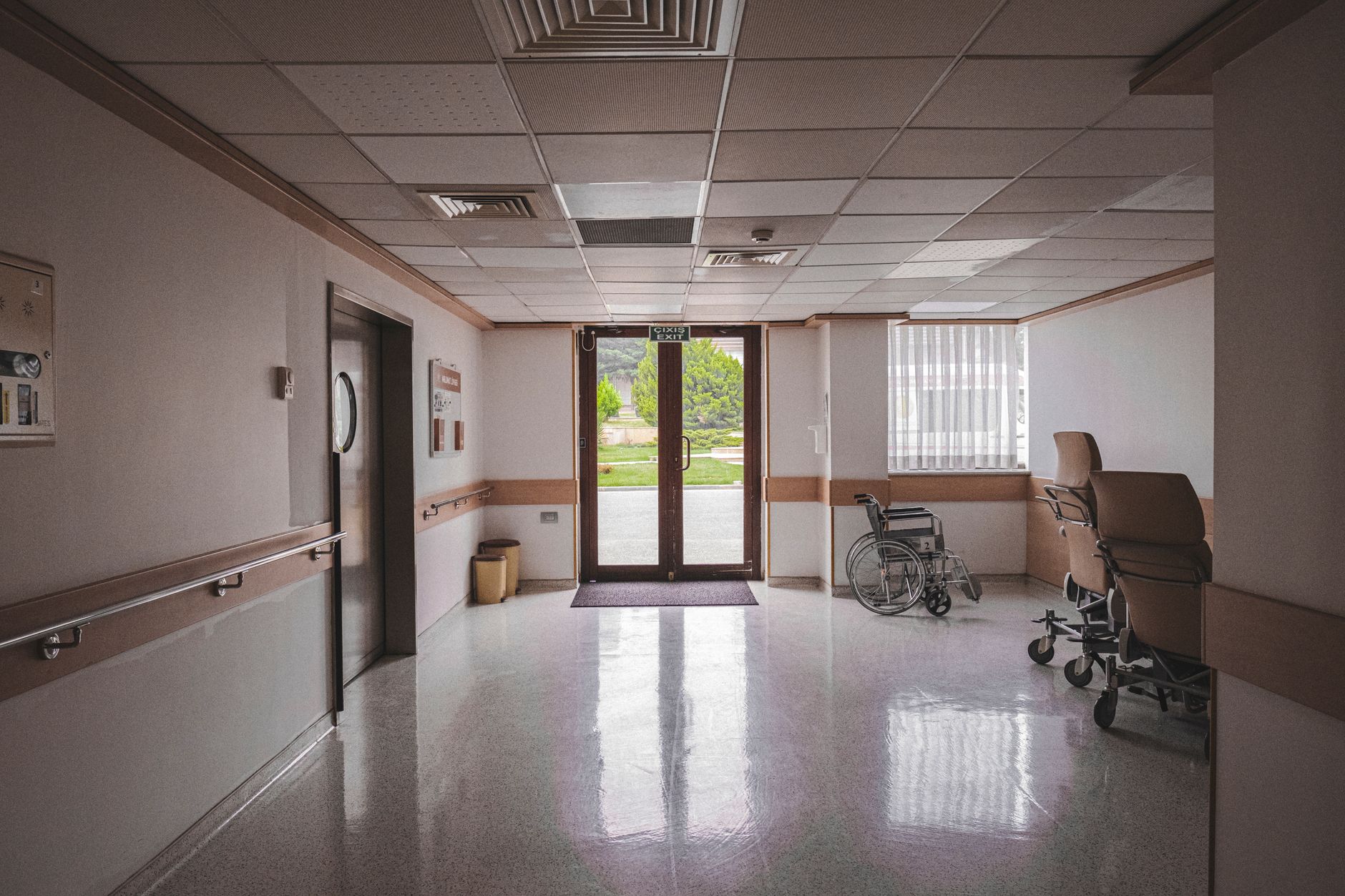
Healthcare in India has long been associated with complex billing procedures, unexpected costs, and the anxiety of navigating payment systems while dealing with medical emergencies. A revolutionary hospital model is now expanding its footprint by introducing four new super-specialty departments while maintaining its unique approach of operating without traditional billing counters.
Understanding the No-Billing Counter Model
The concept of a hospital without billing counters represents a fundamental shift in how healthcare services are structured and delivered. In traditional hospitals, patients or their families must navigate multiple touchpoints for payments—registration fees, consultation charges, diagnostic tests, procedures, medications, and room charges—each potentially requiring separate transactions and paperwork.
The no-billing counter model consolidates this entire process into a streamlined system where patients receive comprehensive care packages with predetermined costs. This approach eliminates the need for patients to repeatedly visit billing desks throughout their treatment journey, reducing stress during already challenging medical situations.
How the System Works
Under this innovative framework, patients typically receive upfront information about treatment costs based on their diagnosis and required procedures. The hospital provides package-based pricing that includes:
- Consultation and doctor fees
- Diagnostic tests and imaging
- Surgical procedures and operation theatre charges
- Medications and medical supplies
- Room accommodation and nursing care
- Post-operative care and follow-ups
Payment is usually settled at the beginning or end of the treatment cycle rather than through multiple transactions. This transparency allows patients and families to make informed decisions about their healthcare without fear of hidden charges or surprise bills that commonly plague the Indian healthcare system.
The Expansion into Super-Specialty Care
The launch of four new super-specialty departments marks a significant expansion of this model beyond basic and secondary care. Super-specialty departments typically focus on advanced medical and surgical interventions in specific fields such as cardiology, neurology, oncology, orthopedics, nephrology, or gastroenterology.
Bringing the no-billing approach to super-specialty care is particularly significant because these treatments often involve:
- Complex, multi-stage procedures
- Expensive diagnostic equipment and imaging
- Extended hospital stays
- Specialized medications and devices
- Multidisciplinary team involvement
These factors traditionally create the most confusion and financial stress for patients in conventional hospital settings, making the transparent pricing model even more valuable.
Advantages for Patients and Families
The elimination of billing counter interactions offers several concrete benefits. Families can focus on patient care rather than administrative tasks during critical moments. The upfront cost clarity enables better financial planning and reduces the likelihood of families facing unexpected debt or being forced to discontinue treatment due to cost surprises.
Additionally, this model may reduce the perception of differential treatment based on payment capacity, as the focus shifts from ongoing financial transactions to medical care delivery.
Challenges and Considerations
While innovative, the no-billing counter model faces inherent challenges. Medical treatment often requires adjustments based on patient response, complications, or unexpected findings during procedures. Creating truly comprehensive packages that account for all possible scenarios while remaining financially viable for the hospital requires sophisticated actuarial planning.
Insurance integration also presents questions, as most health insurance policies are structured around itemized billing. Hospitals operating this model must develop compatible processes for insurance claims and cashless treatment facilities.
Implications for Indian Healthcare
This expansion suggests growing confidence in alternative healthcare delivery models. If successful at the super-specialty level, it could inspire other institutions to reconsider traditional billing systems that have remained largely unchanged for decades.
The model particularly addresses middle-class concerns about healthcare affordability and transparency. As medical tourism and healthcare costs continue rising in India, innovations that improve patient experience while maintaining quality care become increasingly important.
The Broader Context
India's healthcare landscape includes diverse delivery models—from government hospitals providing subsidized care to premium corporate hospitals with advanced facilities. The no-billing counter approach occupies an interesting middle ground, attempting to combine corporate healthcare quality with enhanced accessibility and reduced administrative burden.
As these four super-specialty departments become operational, their performance will provide valuable data on whether simplified billing systems can coexist with advanced medical care delivery at scale.
This article provides general information about healthcare delivery models and should not be considered medical or financial advice. Patients should thoroughly research any healthcare facility, understand all terms and conditions of treatment packages, and consult with healthcare and financial professionals before making medical care decisions.