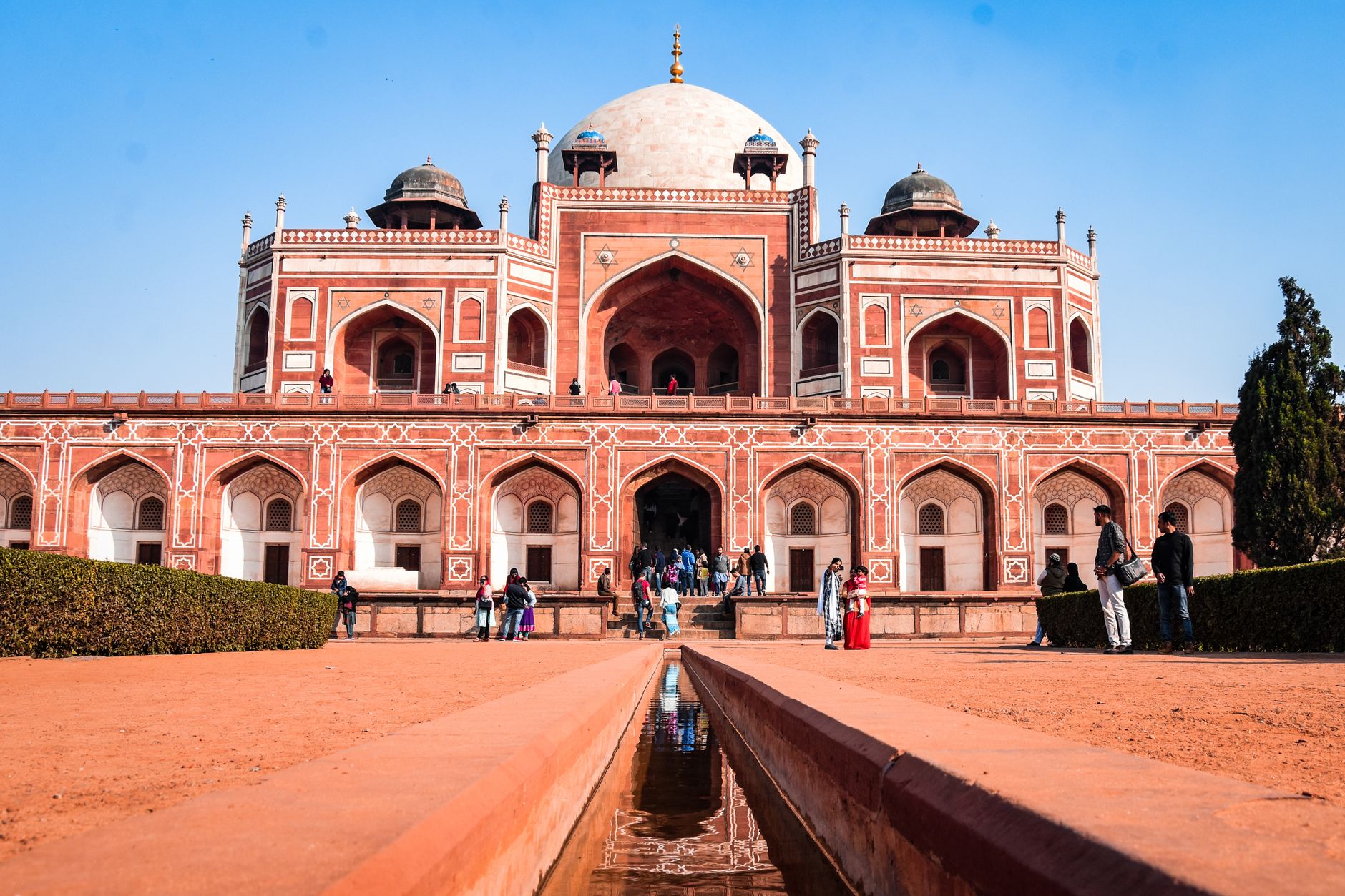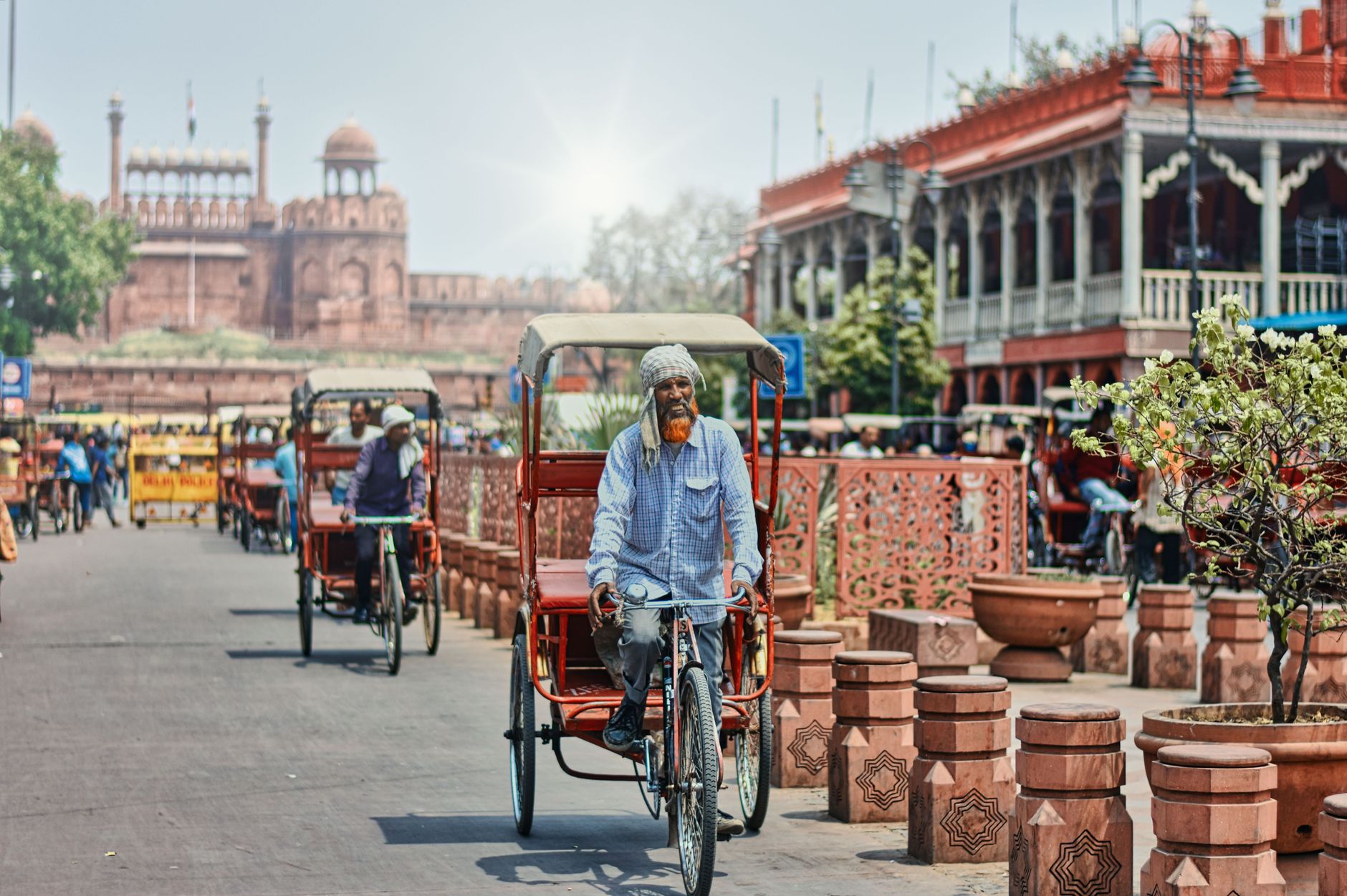
India's travel and tourism sector has emerged as one of the fastest-growing industries in the country, contributing significantly to GDP and employment. With a diverse landscape ranging from Himalayan peaks to tropical beaches, ancient monuments to modern cities, India offers unparalleled variety for travelers. Recent data indicates the sector is poised for continued expansion in the coming years.
Economic Impact and Employment Generation
The travel and tourism industry contributes approximately 7-8 percent to India's GDP, making it a crucial pillar of the national economy. The sector directly and indirectly employs millions of Indians, from hotel staff and tour guides to artisans and transport operators. As the industry recovers and grows post-pandemic, it is creating employment opportunities across skill levels, particularly benefiting rural and semi-urban areas where tourism infrastructure is expanding.
Small and medium enterprises form the backbone of India's tourism ecosystem, with family-run hotels, local tour operators, and handicraft businesses depending heavily on tourist footfall. This distributed economic model ensures that tourism revenues reach grassroots level, supporting livelihoods in often economically disadvantaged regions.
Domestic Tourism Leading the Charge
While international arrivals remain important, domestic tourism has become the primary growth engine for India's travel sector. Rising disposable incomes, improved connectivity, and changing lifestyle preferences have transformed Indians into enthusiastic travelers within their own country. Middle-class families now regularly plan vacations, weekend getaways, and religious pilgrimages, creating year-round demand.
The growth of tier-2 and tier-3 cities has spawned new source markets for domestic tourism. Cities like Indore, Kochi, Coimbatore, and Jaipur are producing travelers who explore both nearby destinations and far-flung corners of the country. This democratization of travel has reduced the sector's dependence on major metropolitan areas.
Infrastructure Development and Connectivity
Government investments in infrastructure have dramatically improved India's tourism accessibility. New airports in smaller cities, expanded highway networks, and railway modernization projects have made previously hard-to-reach destinations more accessible. The UDAN scheme has connected remote areas with affordable air connectivity, opening up destinations in Northeast India, Ladakh, and other frontier regions.
Hotel and accommodation infrastructure has also expanded rapidly, with both international chains and domestic players increasing their footprint. Budget hotel aggregators have made organized accommodation affordable, while homestays and experiential stays cater to travelers seeking authentic local experiences.
Digital Transformation and Booking Trends
Technology has revolutionized how Indians plan and book travel. Online travel agencies, hotel aggregators, and travel apps have made trip planning convenient and transparent. Price comparison tools, user reviews, and instant booking capabilities have empowered travelers to make informed decisions without traditional travel agents.
Digital payments and mobile wallets have further simplified transactions, making cashless travel increasingly common. Social media platforms influence destination choices, with Instagram-worthy locations seeing surge in popularity among younger travelers.
Government Initiatives and Policy Support
The Indian government has launched several initiatives to boost tourism, including the Swadesh Darshan and PRASAD schemes for developing theme-based tourist circuits and pilgrimage sites. Visa liberalization measures, including e-visas for numerous countries, have made India more accessible to international visitors.
The "Incredible India" branding campaign continues to showcase India's diversity globally, while state governments have launched their own destination marketing efforts. Focus on sustainable tourism, heritage conservation, and skill development indicates long-term strategic planning for sector growth.
Emerging Trends and Future Outlook
Several trends are shaping India's tourism future. Wellness tourism leveraging India's yoga and Ayurveda heritage is growing. Adventure tourism in Himalayas, Western Ghats, and coastal regions attracts thrill-seekers. Spiritual tourism remains strong, with pilgrimage circuits seeing continuous upgrades.
Medical tourism has positioned India as an affordable healthcare destination, while business tourism benefits from India's growing economic importance. Sustainable and responsible tourism practices are gaining attention as environmental consciousness grows.
The sector faces challenges including seasonal concentration, infrastructure gaps in certain regions, and need for improved service quality standards. However, with continued investment, policy support, and rising demand from both domestic and international travelers, India's travel and tourism industry is well-positioned for sustained growth in the coming decade.