India's travel and tourism industry has emerged as a powerhouse in the global economy, reaching an impressive valuation of $263.6 billion according to recent data from the World Travel & Tourism Council. This achievement marks a significant turning point for a sector that has rebounded strongly from pandemic disruptions and positions India as a serious contender for a spot among the world's top four tourism economies.
A Growing Economic Engine
The tourism sector's contribution to India's economy extends far beyond direct travel spending. The industry encompasses hotel accommodations, restaurant services, transportation, cultural experiences, and recreational activities. This multifaceted sector has become one of the largest employers in the country, providing livelihoods to millions of Indians across various skill levels.
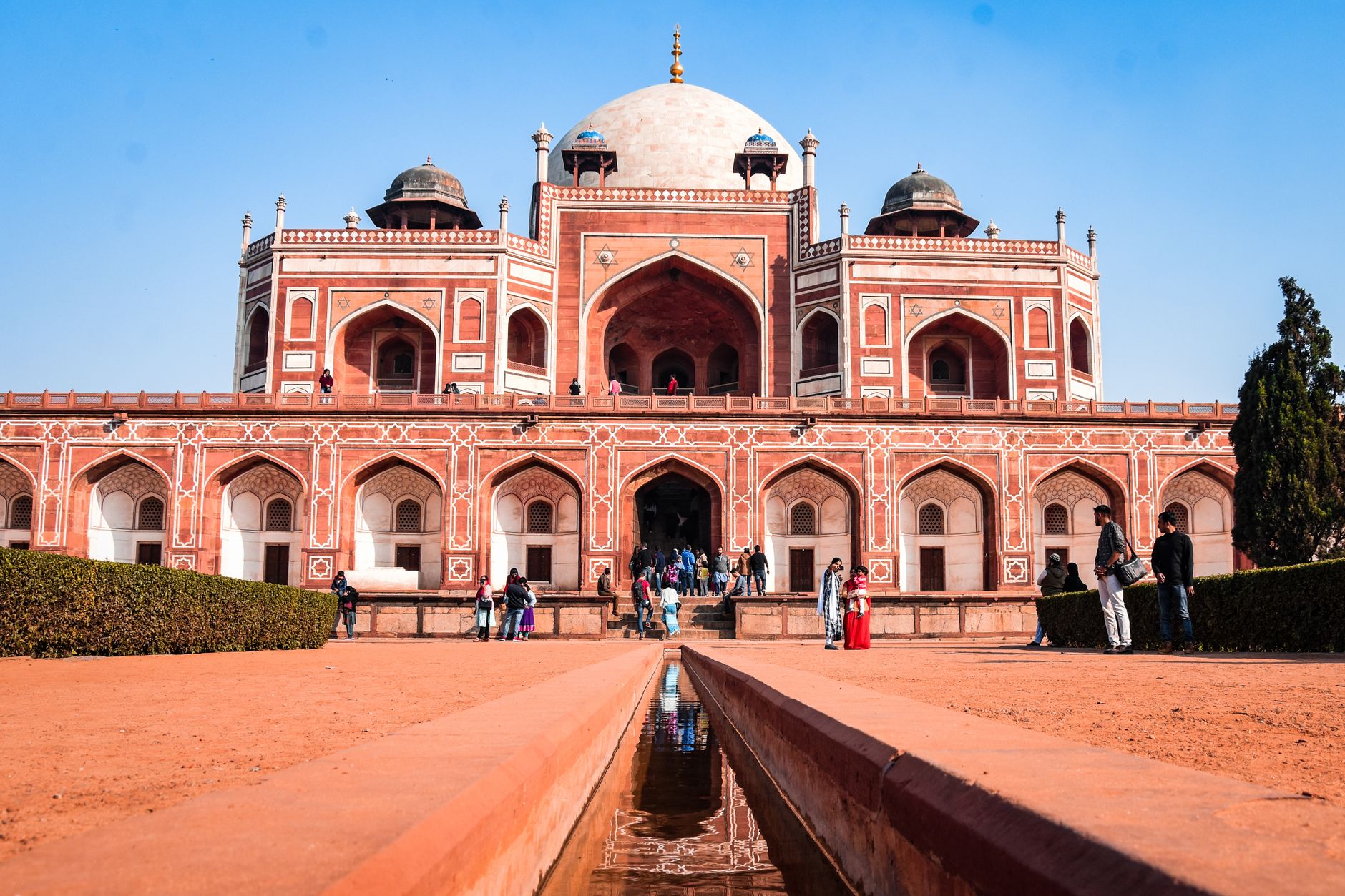
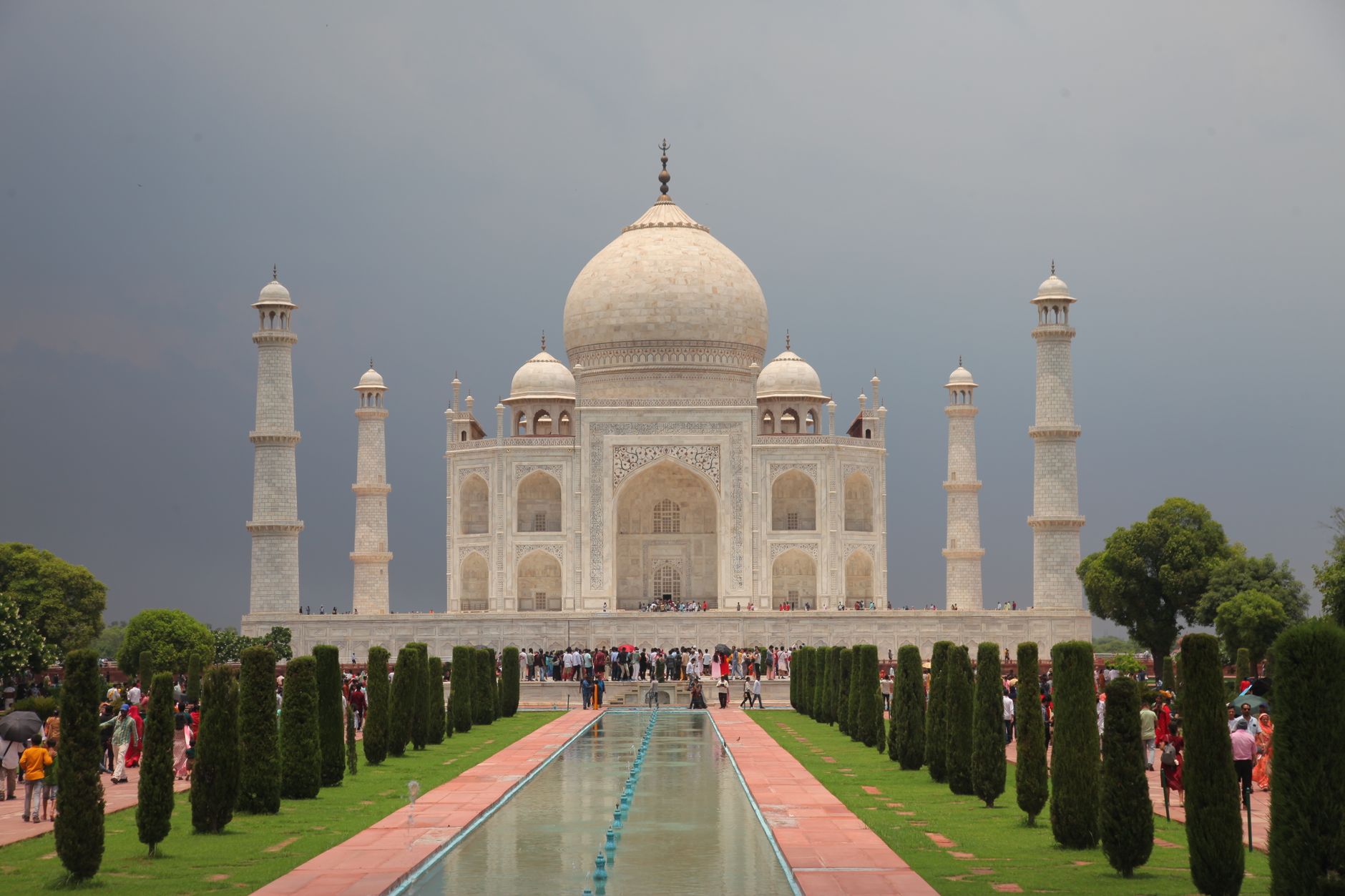
The sector's growth reflects India's increasing appeal as both a leisure and business destination. From the snow-capped Himalayas in the north to tropical beaches in the south, India offers extraordinary diversity that few countries can match. Ancient temples, UNESCO World Heritage sites, bustling metropolitan cities, and serene rural landscapes create a tapestry of experiences that attract international and domestic travelers alike.
Factors Driving Tourism Growth
Several key factors have contributed to this remarkable expansion. Infrastructure development has played a crucial role, with improvements in airports, roads, and railways making travel more accessible and comfortable. New airports in tier-two and tier-three cities have opened up previously underserved regions to tourist traffic.
Digital transformation has simplified travel planning and booking processes. The widespread adoption of online platforms for hotel reservations, flight bookings, and tour packages has made travel more convenient for tech-savvy domestic and international tourists.
Government initiatives such as the e-visa program have reduced entry barriers for foreign visitors from numerous countries. Marketing campaigns showcasing India's cultural richness and natural beauty have raised the country's profile as a must-visit destination.
Domestic Tourism Boom
While international arrivals contribute significantly to tourism revenue, domestic tourism has experienced explosive growth. Rising middle-class incomes, increased paid leave provisions, and improved connectivity have enabled more Indians to explore their own country. Weekend getaways, pilgrimage tourism, and adventure travel have all witnessed substantial upticks.
The pandemic accelerated this trend as travel restrictions limited international options, prompting Indians to discover domestic destinations. This shift has proven partially permanent, with many travelers now prioritizing local and regional tourism.
Employment and Regional Development
The tourism sector's expansion has created employment opportunities across the country, particularly in regions with limited industrial development. Hotels, restaurants, tour operators, handicraft businesses, and transportation services have all benefited from increased visitor numbers.
Regional tourism has helped preserve traditional crafts and cultural practices by creating economic incentives for their continuation. Artisans, performers, and cultural practitioners find sustainable livelihoods through tourism-related activities.
Challenges Ahead
Despite impressive growth, the sector faces challenges that must be addressed to sustain momentum and achieve top-four status globally. Infrastructure gaps persist in many tourist destinations, with inadequate accommodation options, poor sanitation facilities, and limited last-mile connectivity hindering visitor experiences.
Environmental sustainability concerns require urgent attention. Popular destinations face overtourism pressures, threatening the very attractions that draw visitors. Balancing economic growth with environmental preservation remains a critical challenge.
Service quality inconsistencies and language barriers can diminish visitor satisfaction. Training programs and standardization efforts are needed to ensure consistently high service levels across the industry.
Path to Top Four
Achieving a position among the global top four tourism economies will require sustained investment, strategic planning, and collaborative efforts between government and private stakeholders. Focus areas include developing niche tourism segments such as wellness tourism, adventure tourism, and sustainable tourism.
Expanding international air connectivity, simplifying visa procedures further, and aggressive marketing in emerging source markets will help attract more foreign visitors. Simultaneously, enhancing domestic tourism infrastructure and promoting lesser-known destinations can distribute economic benefits more equitably while reducing pressure on overcrowded hotspots.
The $263.6 billion milestone demonstrates India's tourism sector potential and resilience. With continued focus on quality, sustainability, and innovation, India's ambition to join the world's top four tourism economies appears increasingly achievable, promising economic growth and cultural exchange benefits for years to come.