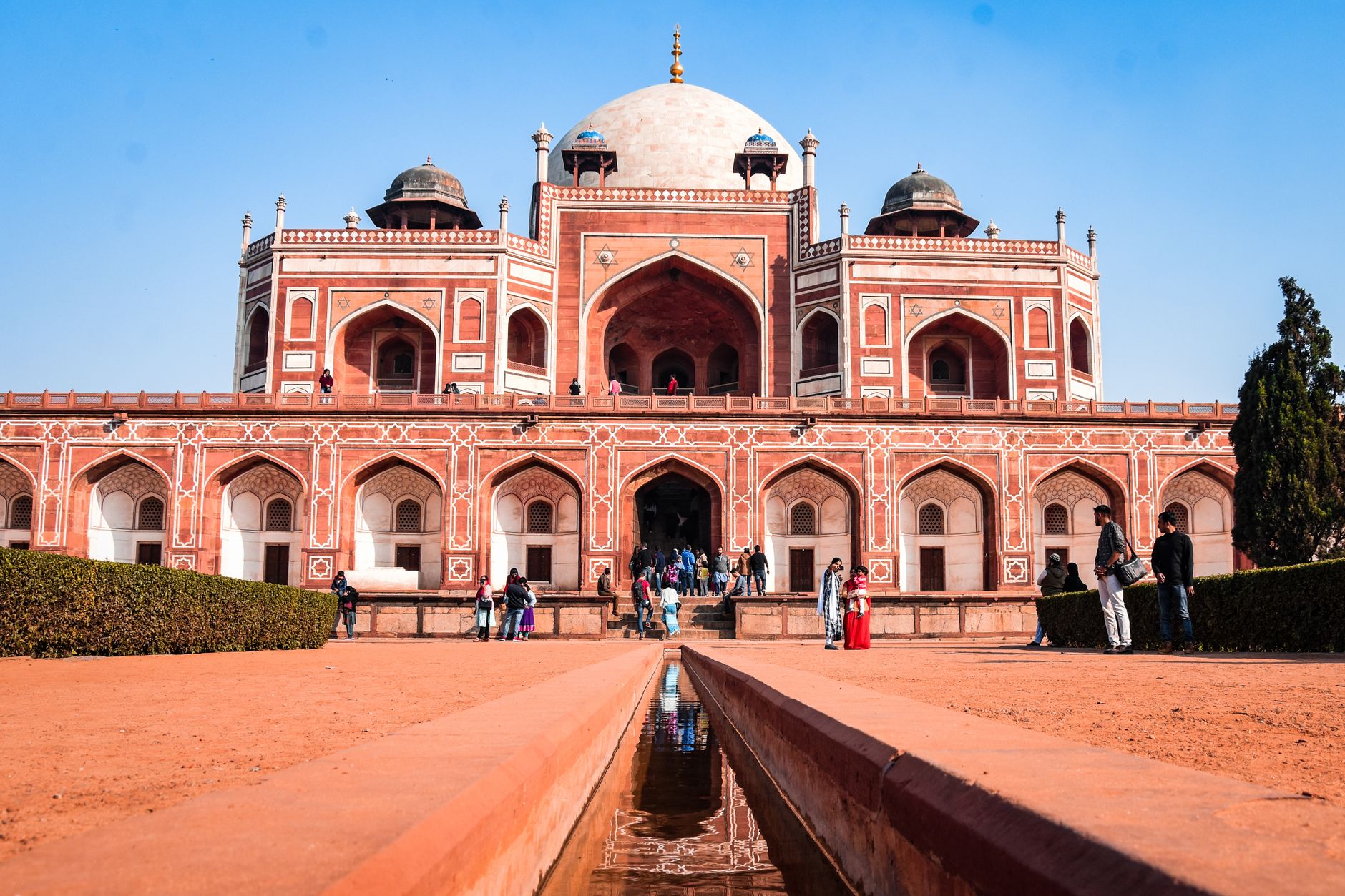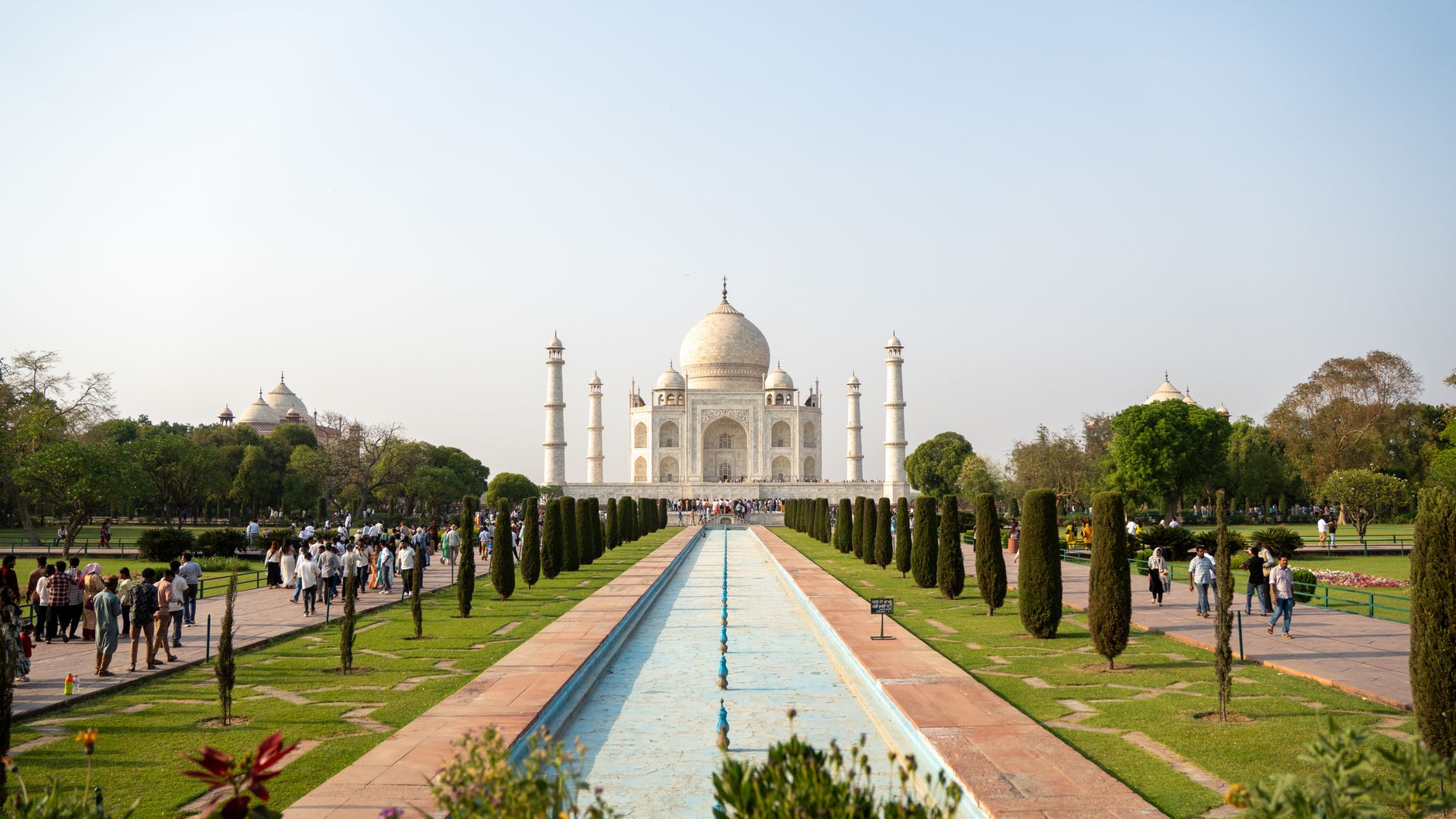
India has long been home to some of the world's most iconic landmarks, diverse cultural heritage, and natural wonders that span from the Himalayas to tropical beaches. Yet despite these advantages, the country has historically underperformed in capturing its fair share of international tourist arrivals compared to global competitors. Recent trends suggest this narrative is changing rapidly, with India positioned to transform into a tourism powerhouse if key barriers are addressed.
Current State of Indian Tourism
India currently receives approximately 10 million international tourists annually, a figure that pales in comparison to countries like France, Spain, or Thailand, which welcome 80-90 million, 80-85 million, and 35-40 million visitors respectively. The domestic tourism market, however, tells a different story, with over 2 billion domestic trips taken each year, demonstrating Indians' own appetite for travel and the infrastructure's capacity to serve large volumes.
The tourism sector contributes roughly 6-7 percent to India's GDP and employs tens of millions of people across hospitality, transportation, handicrafts, and allied services. This economic impact could multiply several times with targeted growth in international arrivals.
Key Barriers to International Tourism
Several structural challenges have historically limited India's appeal to international travelers:
- Visa processes that remain cumbersome compared to competitors offering visa-on-arrival or e-visa facilities to more countries
- Infrastructure gaps including limited international airport capacity in tier-2 and tier-3 cities with tourist attractions
- Inconsistent hospitality standards across different regions and price points
- Concerns about safety, cleanliness, and tourist-friendly amenities in certain destinations
- Limited direct international flight connectivity beyond major metros
- Marketing that hasn't fully captured India's diverse offerings to different traveler segments
Unlocking International Potential
The pathway to transforming India into a global tourism destination involves multiple strategic interventions. Visa liberalization stands out as perhaps the most immediate opportunity. Expanding e-visa facilities, reducing processing times, and offering visa-on-arrival to more nationalities could immediately boost arrivals.
Infrastructure development represents another critical pillar. The government's focus on improving airports, railway stations, and road connectivity to tourist destinations is already showing results. Projects like dedicated tourism circuits, heritage site restorations, and the development of new destinations help distribute tourist traffic beyond the traditional Delhi-Agra-Jaipur golden triangle.
Diversifying the Tourism Product
India's tourism appeal extends far beyond cultural heritage. The country offers adventure tourism in the mountains, wellness and Ayurveda retreats, beach destinations, wildlife safaris, spiritual journeys, and increasingly, medical tourism. Each segment attracts different international markets with varying spending patterns.
Luxury tourism presents particularly strong growth potential. High-spending travelers from Europe, North America, and increasingly the Middle East and Asia seek authentic, immersive experiences that India can uniquely provide. Heritage hotels, curated cultural experiences, and exclusive nature retreats cater to this segment effectively.
Digital Transformation and Marketing
Modern travelers research and book trips digitally, making India's digital infrastructure improvements crucial. Enhanced online presence, streamlined digital payments, and integrated booking platforms for attractions and services improve the visitor experience substantially.
Targeted marketing to specific countries and demographics can shift perceptions and highlight lesser-known destinations. Social media campaigns showcasing India's diversity, safety improvements, and unique experiences help counter outdated stereotypes.
Sustainable and Responsible Growth
As India scales its tourism sector, sustainable practices become essential. Overtourism has damaged popular sites globally, and India must learn from these examples. Implementing carrying capacity limits, promoting off-season travel, and developing alternative destinations prevents degradation of natural and cultural assets.
Community-based tourism models ensure local populations benefit economically while preserving authentic cultural experiences. Environmental protection measures safeguard the natural beauty that attracts visitors initially.
The Economic Multiplier Effect
Successfully growing international tourism creates cascading economic benefits. Beyond direct spending on accommodation and transportation, tourists purchase handicrafts, textiles, and local products, supporting artisan communities. Restaurant, guide, and entertainment services flourish. This growth stimulates formal and informal employment, particularly benefiting regions with limited industrial development alternatives.
Foreign exchange earnings from tourism strengthen India's external account position while raising the country's global profile. Increased international exposure often leads to business opportunities beyond tourism, including investment and trade relationships.
India's tourism success story is indeed just beginning. With strategic focus on accessibility, infrastructure, marketing, and sustainable practices, the country can realistically target 50-75 million international arrivals over the next decade, joining the ranks of the world's top tourism destinations.