India's tourism industry has witnessed remarkable growth in recent years, with domestic and international arrivals reaching record highs. However, this boom comes with a troubling side effect: the rise of irresponsible tourist behaviour that threatens the ecological, cultural, and infrastructural integrity of popular destinations across the country.
The Growing Problem
From the pristine valleys of Himachal Pradesh to the beaches of Goa and the heritage sites of Rajasthan, reports of tourist misconduct have become increasingly common. The issues range from littering and vandalism to disrespecting local customs and overburdening fragile ecosystems. What was once considered occasional bad behaviour has now escalated into a pattern that threatens the sustainability of India's travel industry.
The problem intensified particularly after the COVID-19 pandemic, as pent-up travel demand led to unprecedented crowds at popular destinations. Social media has played a dual role, both highlighting these issues and inadvertently encouraging them through the promotion of reckless behaviour for viral content.
Common Violations Threatening Indian Destinations
Several recurring patterns have emerged across tourist hotspots:
- Littering and plastic waste accumulation in natural areas, particularly in hill stations and beaches
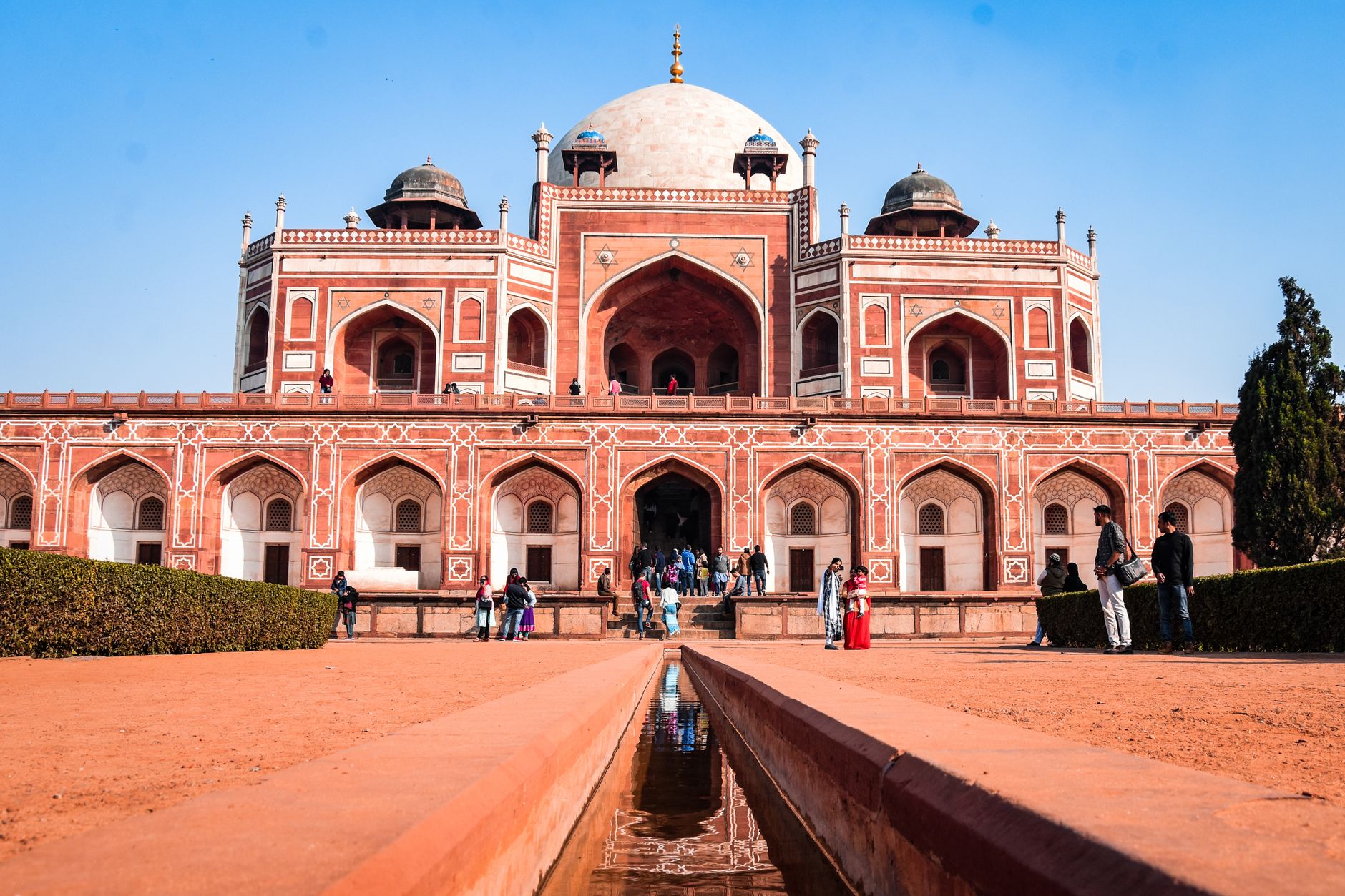
- Vandalism at heritage sites, including graffiti on monuments and damage to historical structures
- Noise pollution and disturbance in residential areas and wildlife zones
- Illegal camping and bonfires in protected forests and grasslands
- Harassment of wildlife for photographs and social media content
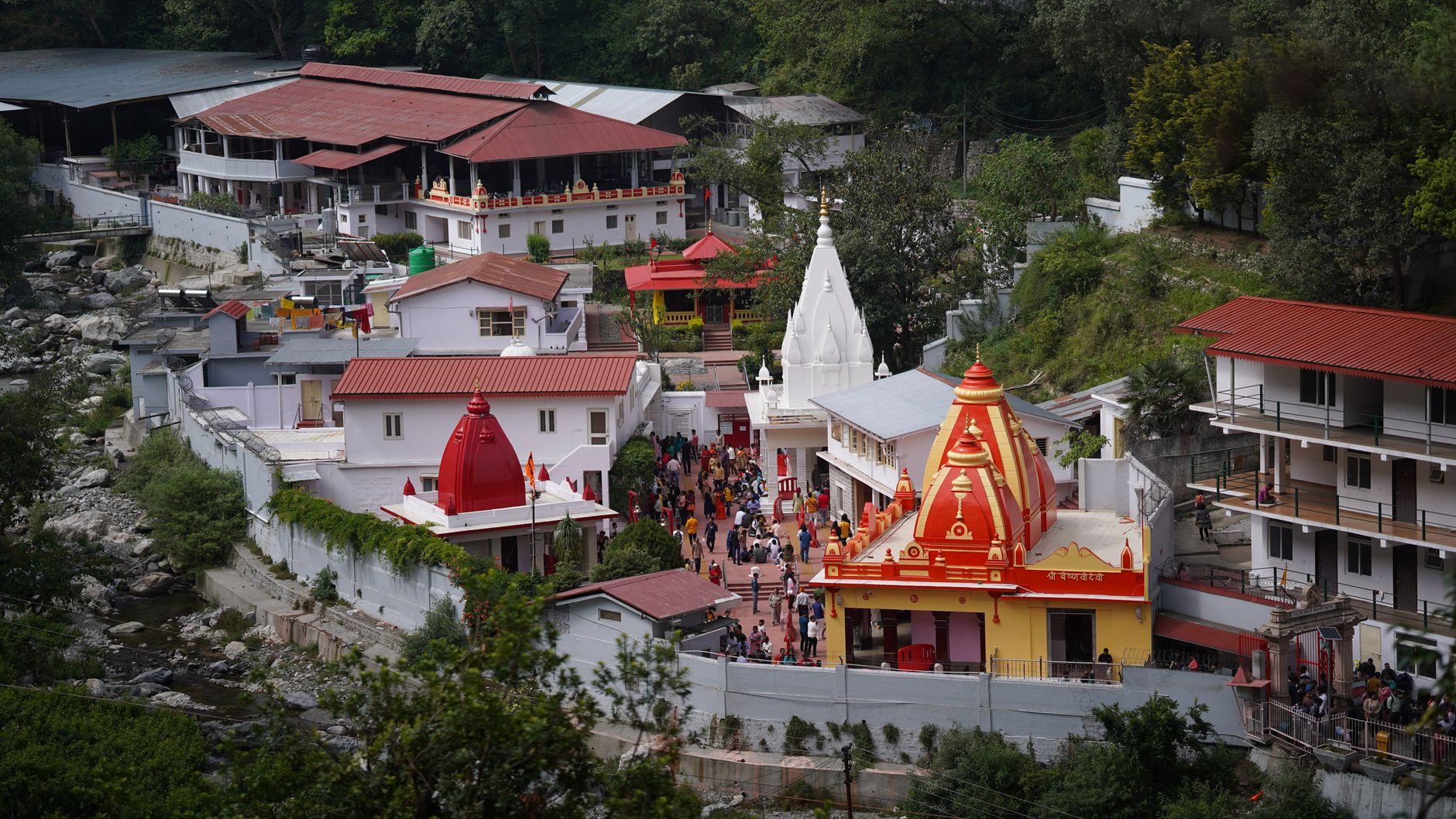
- Disrespect for local customs and religious sensitivities at sacred sites
- Traffic congestion and illegal parking in ecologically sensitive zones
- Excessive water consumption in water-scarce regions
Environmental Impact
The environmental consequences are particularly severe in ecologically fragile regions. Himachal Pradesh's Spiti Valley, Ladakh's high-altitude deserts, and the Western Ghats have all reported significant environmental degradation. Manali and Shimla regularly struggle with tons of waste left behind by tourists, overwhelming local waste management systems.
Wildlife habitats face disruption as tourists venture into restricted areas, often ignoring marked boundaries and forest regulations. The desire for the perfect photograph has led to dangerous encounters with wildlife and disturbance of breeding grounds. Popular trekking routes like the Valley of Flowers and Roopkund have reported trail erosion and meadow damage due to increased footfall and off-trail hiking.
Cultural and Social Tensions
Beyond environmental concerns, irresponsible tourism strains relationships between visitors and local communities. Many destinations report increased tension as tourists display insensitivity toward local traditions, dress codes at religious sites, and community norms. This cultural disconnect creates resentment among residents who depend on tourism for their livelihoods yet bear the brunt of its negative impacts.
Small villages in regions like Spiti, Zanskar, and parts of Northeast India, unprepared for sudden tourism influxes, struggle to maintain their cultural identity while accommodating visitors. The commodification of local culture and pressure to modify traditions for tourist consumption creates long-term social challenges.
Infrastructure Under Pressure
Popular destinations face severe infrastructure strain during peak seasons. Roads designed for local traffic collapse under tourist vehicle loads, water supplies run dry, and sewage systems overflow. Hill stations like Mussoorie and Nainital frequently impose water rationing during tourist seasons, creating hardship for local residents.
Unregulated homestays and hotels mushroom without adequate waste management or environmental clearances, compounding infrastructure problems. The rapid commercialization often happens faster than local governance can manage, resulting in chaotic development patterns.
Path Forward: Solutions and Responsibility
Addressing this crisis requires multi-stakeholder action. State governments have begun implementing measures like visitor caps, mandatory registration systems, and stricter penalties for violations. Himachal Pradesh has introduced steep fines for littering, while several national parks have enhanced monitoring through technology.
Tourism operators and travel companies must prioritize responsible tourism practices, educating clients before trips and enforcing codes of conduct. Community-based tourism models that give local populations greater control and economic benefits show promise in several regions.
Individual travelers bear the primary responsibility. Simple actions like carrying reusable water bottles, disposing of waste properly, respecting local customs, staying on marked trails, and maintaining noise discipline can collectively create significant positive impact.
The Choice Ahead
India's tourism potential remains enormous, with its diverse landscapes, rich cultural heritage, and growing infrastructure. However, realizing this potential sustainably requires a fundamental shift in how we travel. The current trajectory risks destroying the very attractions that make these destinations special, ultimately harming the tourism industry itself.
The question facing India's travel sector is whether the current boom will lead to long-term sustainable growth or short-term gains followed by irreversible damage. The answer depends largely on the collective responsibility of tourists, industry stakeholders, and policymakers working together to preserve India's natural and cultural treasures for future generations.