India has set an ambitious target to eliminate hepatitis as a major public health concern by 2030, aligning with global health objectives. This renewed commitment comes as the country grapples with a significant disease burden, with millions of Indians living with chronic hepatitis B and C infections, many unaware of their condition.
Understanding the Hepatitis Challenge in India
Hepatitis refers to inflammation of the liver, commonly caused by viral infections. The most concerning forms are hepatitis B and C, which can lead to chronic liver disease, cirrhosis, and liver cancer if left untreated. India accounts for a substantial portion of the global hepatitis burden, with an estimated 40 million people living with chronic hepatitis B and 6-12 million with hepatitis C.
The disease often progresses silently, with many infected individuals showing no symptoms until significant liver damage has occurred. This silent nature makes hepatitis particularly dangerous and underscores the importance of widespread screening and early detection programs.
Key Pillars of India's Elimination Strategy
India's intensified efforts revolve around several critical components designed to address the disease comprehensively.
### Expanded Testing and Diagnosis
The government is scaling up free screening programs across public health facilities, particularly targeting high-risk populations. This includes pregnant women, healthcare workers, people who inject drugs, and those with a history of blood transfusions. Mobile testing units and community health workers are being deployed to reach remote and underserved areas where healthcare access remains limited.
### Affordable Treatment Access
One of India's significant advantages is its capacity to produce generic medications at affordable prices. The cost of hepatitis C treatment has dropped dramatically in recent years, with cure rates exceeding 95 percent for most patients. The government has been working to ensure these life-saving medications are available through public health facilities at minimal or no cost to patients.
### Vaccination Programs
While hepatitis C has no vaccine, hepatitis B is preventable through vaccination. India's Universal Immunization Programme includes hepatitis B vaccine for all newborns, with the birth dose being critical for preventing mother-to-child transmission. Efforts are underway to improve coverage rates and ensure that no child misses this essential protection.
### Awareness and Prevention
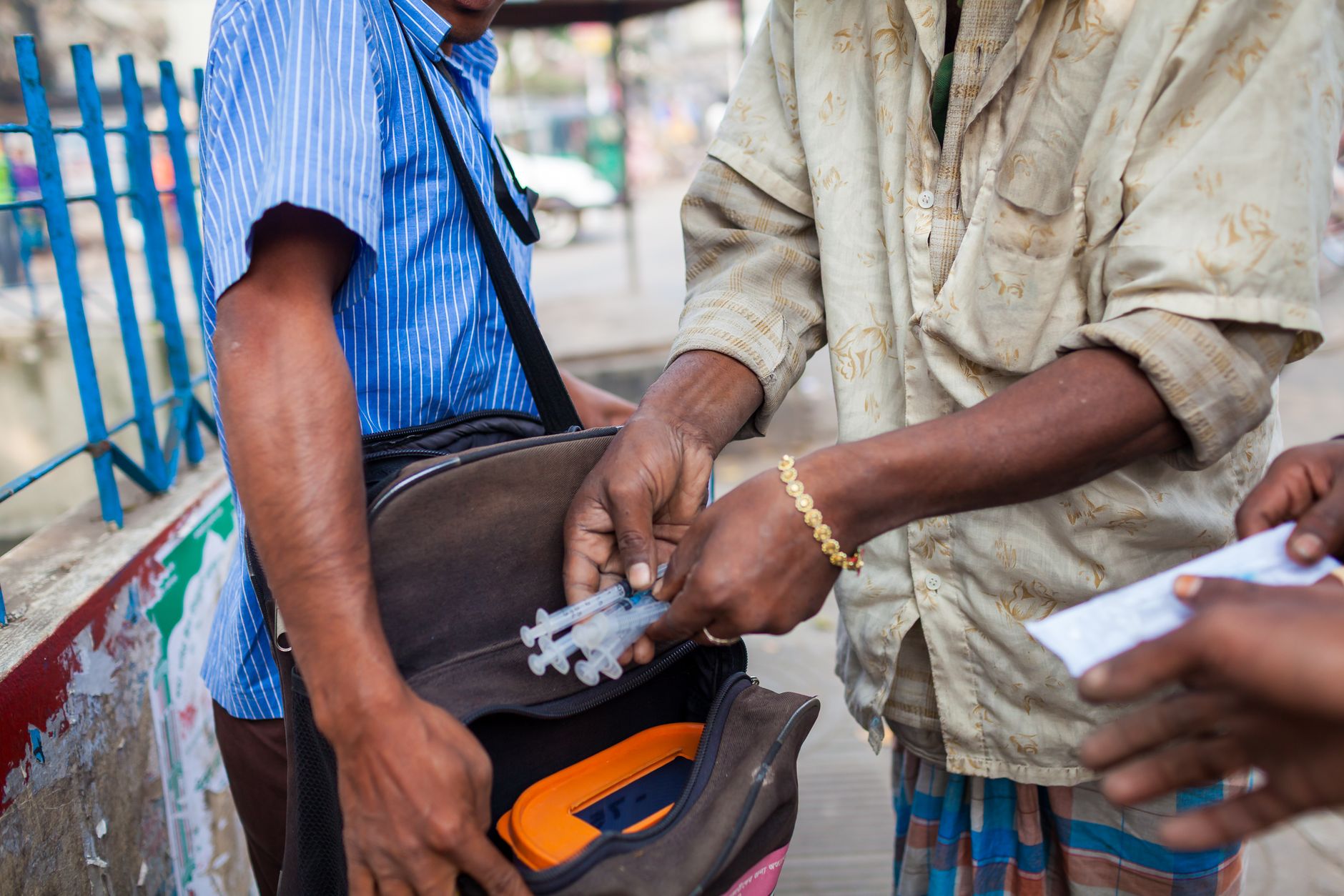
Public awareness campaigns are being intensified to educate people about transmission routes, risk factors, and the importance of testing. Many Indians remain unaware that hepatitis can spread through unsafe medical practices, unscreened blood transfusions, unsterilized needles, and from mother to child during birth.
Challenges Ahead
Despite progress, several obstacles remain. The stigma associated with hepatitis, particularly when linked to injection drug use, prevents many people from seeking testing and treatment. Healthcare infrastructure gaps in rural areas limit access to diagnostic facilities and specialist care.
Additionally, the COVID-19 pandemic disrupted many hepatitis programs, creating backlogs in screening and treatment initiation. Rebuilding these services while managing other health priorities requires sustained funding and political commitment.
The Global Context
India's efforts align with the World Health Organization's Global Health Sector Strategy on Viral Hepatitis, which aims to eliminate hepatitis as a public health threat by 2030. This means reducing new infections by 90 percent and deaths by 65 percent compared to 2015 levels.
Several countries have made remarkable progress toward these targets, demonstrating that elimination is achievable with comprehensive strategies. Egypt, for instance, conducted mass screening and treatment campaigns that dramatically reduced hepatitis C prevalence.
What Individuals Can Do
While government programs are essential, individual action plays a crucial role. People should get tested if they fall into high-risk categories or have never been screened. Ensuring safe practices in healthcare settings, including using only sterile needles and equipment, helps prevent transmission.
Parents should verify their children receive all scheduled hepatitis B vaccine doses. Those diagnosed with hepatitis should seek treatment promptly, as modern therapies are highly effective and can prevent serious complications.
The elimination of hepatitis by 2030 is an ambitious but achievable goal for India. Success will require sustained commitment from government, healthcare providers, and communities working together to test, treat, and prevent this preventable disease.
This article is for general informational purposes only and should not be considered medical advice. Individuals concerned about hepatitis should consult qualified healthcare professionals for testing, diagnosis, and treatment recommendations appropriate to their specific circumstances.