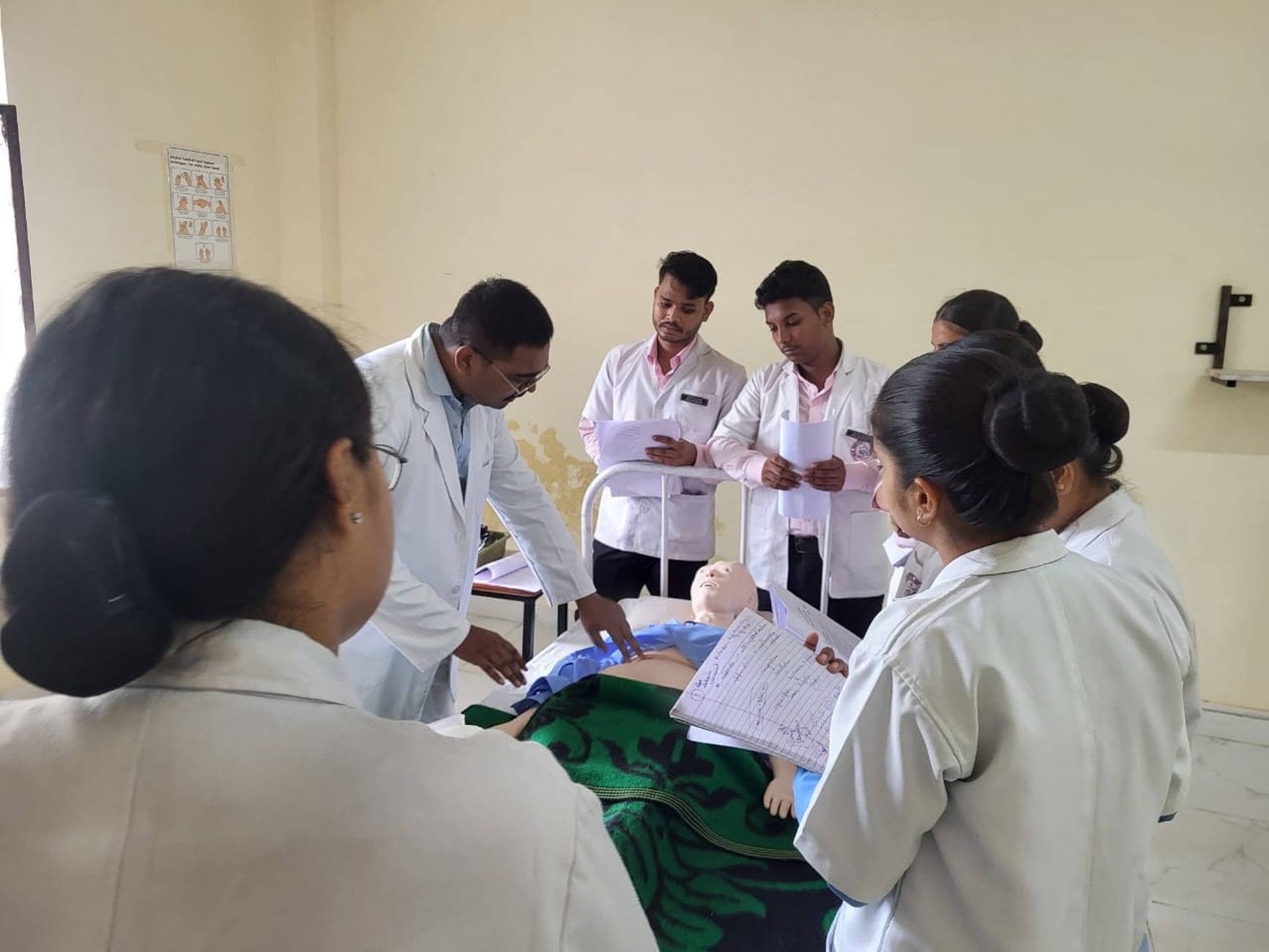
India's medical education landscape has witnessed remarkable growth, with the government announcing substantial increases in both infrastructure and seat capacity across the country. The Minister of State for Health recently disclosed that India now boasts 844 medical colleges offering 1,39,489 MBBS seats and 86,360 postgraduate medical seats, marking a significant milestone in the nation's efforts to address the healthcare professional shortage.
Expanding Medical Education Infrastructure
The expansion of medical colleges from just over 380 institutions a decade ago to 844 today represents more than a doubling of capacity. This growth includes both government-run and private medical institutions spread across states and union territories. The increase reflects a concerted policy push to enhance healthcare education accessibility and ensure that more Indian students can pursue medical careers without seeking opportunities abroad.
The MBBS seat count of nearly 1.4 lakh represents a substantial increase from previous years when India struggled with limited medical education capacity. This expansion has been particularly crucial given India's population of over 1.4 billion people and the World Health Organization's recommended doctor-to-patient ratio of 1:1000.
Breaking Down the Numbers
The 86,360 postgraduate medical seats encompass various specializations including MD (Doctor of Medicine), MS (Master of Surgery), and diploma courses across different medical disciplines. These postgraduate positions are critical for developing specialists in fields ranging from cardiology and oncology to pediatrics and orthopedics.
The distribution of these seats varies significantly across states, with larger states like Uttar Pradesh, Maharashtra, Karnataka, and Tamil Nadu housing substantial numbers of medical institutions. However, smaller states and northeastern regions have also seen new medical colleges established under various central government schemes.
Addressing the Doctor Shortage
Despite these impressive numbers, India still faces challenges in meeting healthcare workforce requirements. The doctor-to-population ratio, while improving, remains below optimal levels in many regions, particularly in rural and semi-urban areas. The current expansion aims to address this gap systematically over the coming years.
The increased seat availability also reduces the pressure on students competing for limited positions. Historically, medical entrance examinations in India have been among the most competitive, with acceptance rates below 5 percent for premier institutions. Additional seats provide more opportunities for qualified candidates.
Quality Concerns and Regulation
The rapid expansion of medical colleges has raised questions about maintaining educational standards. The National Medical Commission (NMC), which replaced the Medical Council of India, has implemented stringent regulations regarding faculty requirements, infrastructure standards, and clinical training facilities.
Medical colleges must meet specific criteria including:
- Adequate patient load for clinical training
- Minimum faculty-to-student ratios
- Well-equipped laboratories and libraries
- Affiliated teaching hospitals with sufficient bed capacity
- Proper infrastructure for different medical departments
The NMC conducts regular inspections and can withdraw recognition from institutions failing to meet these standards, ensuring that increased quantity does not compromise quality.
Impact on Medical Tourism and Brain Drain
The availability of more medical seats domestically has implications for the trend of Indian students pursuing MBBS degrees abroad, particularly in countries like Russia, China, Ukraine, and the Philippines. With improved domestic capacity, students can increasingly access quality medical education within India, saving foreign exchange and ensuring education aligns with Indian healthcare contexts.
Furthermore, increased training capacity helps retain medical talent within the country, though brain drain to developed nations remains a challenge that requires addressing through improved working conditions and career opportunities for doctors in India.
Future Outlook
The government has announced plans for further expansion, with proposals to establish medical colleges in districts currently lacking such institutions. The goal is to achieve more equitable distribution of medical education facilities and ensure that every region has access to healthcare professional training.
Additionally, there is emphasis on strengthening existing institutions rather than merely increasing numbers. Focus areas include upgrading teaching hospitals, incorporating modern medical technologies, and ensuring that medical education keeps pace with global standards and emerging healthcare challenges.
The expansion of medical education infrastructure represents a significant investment in India's healthcare future, potentially transforming both the accessibility of medical education and the availability of healthcare services across the nation.