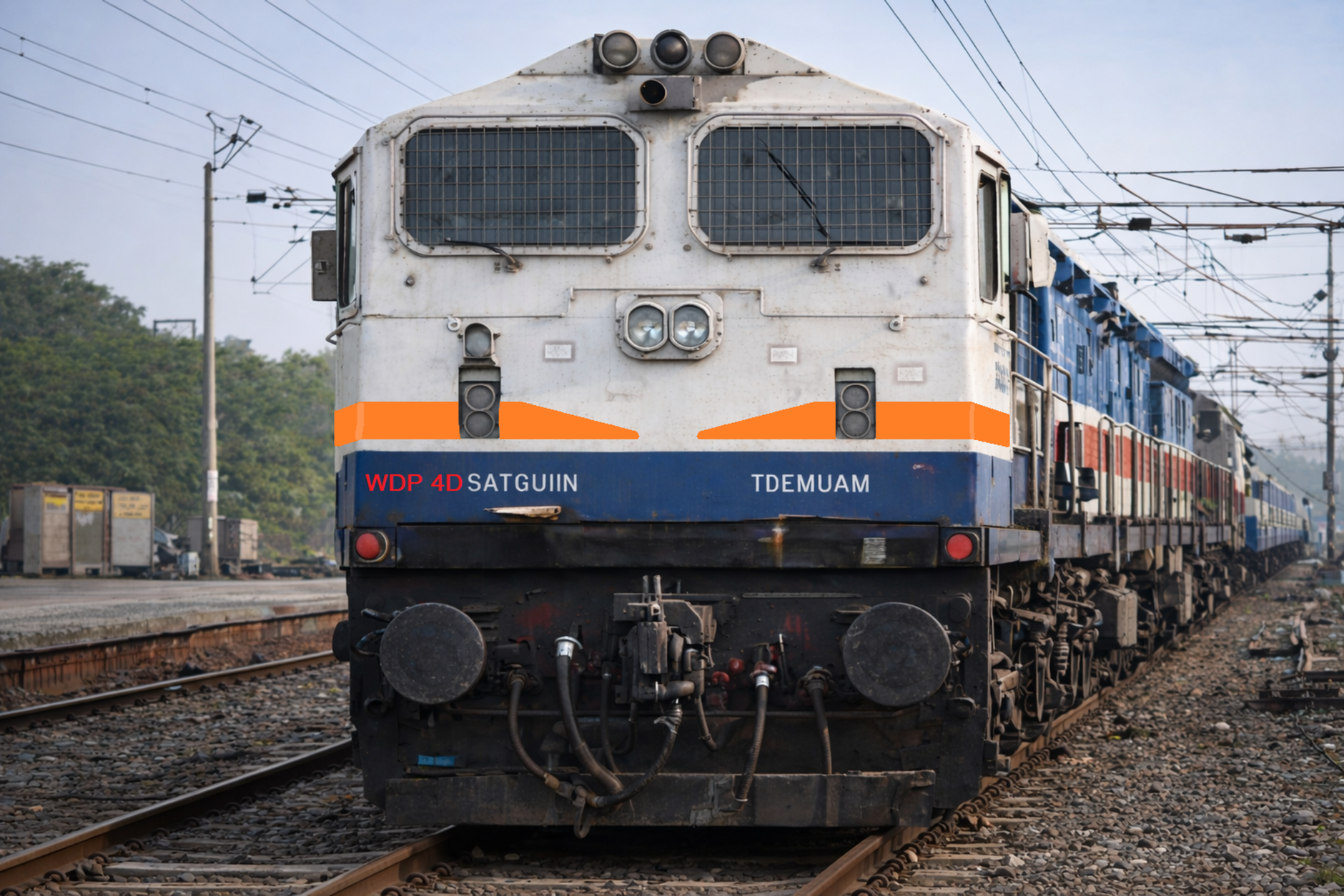
India's railway network, one of the world's largest and busiest, is embarking on a transformative journey toward sustainability with the adoption of indigenous hydrogen fuel cell technology. This strategic move by the Ministry of Railways represents a convergence of environmental responsibility, technological self-reliance, and economic pragmatism as the country seeks to reduce its carbon footprint while maintaining its position as a global transportation leader.
Understanding Hydrogen Fuel Cell Technology
Hydrogen fuel cells generate electricity through a chemical reaction between hydrogen and oxygen, producing only water vapor and heat as byproducts. Unlike diesel engines that burn fossil fuels, these cells offer zero-emission operation, making them ideal for sustainable transportation. The technology works by converting hydrogen gas into electrical energy that powers electric motors, providing comparable performance to conventional locomotives without the environmental burden.
The adoption of indigenous technology is particularly significant for India's Atmanirbhar Bharat initiative, reducing dependency on imported solutions while fostering domestic innovation and manufacturing capabilities in the clean energy sector.
Current State of Indian Railways Electrification
Indian Railways has already made substantial progress in electrification, with over 90 percent of broad-gauge routes now running on electric traction. However, complete electrification faces challenges in certain terrains, heritage routes, and branch lines where overhead catenary infrastructure is economically unviable or practically difficult to install.
Hydrogen fuel cell technology offers an elegant solution for these remaining segments, providing clean power without requiring extensive overhead wire infrastructure. This hybrid approach combining electrification and hydrogen fuel cells positions Indian Railways to achieve complete decarbonization while maintaining operational flexibility.
Benefits of Hydrogen-Powered Rail Transport
The environmental advantages are substantial. Indian Railways, currently one of the country's largest diesel consumers, can significantly reduce greenhouse gas emissions, particulate matter, and noise pollution through hydrogen adoption. A single hydrogen-powered train can eliminate thousands of tons of carbon dioxide emissions annually.
Economic benefits extend beyond fuel savings. Indigenous development creates opportunities for domestic manufacturing, skilled employment, and technology exports. As global railways explore decarbonization, India's expertise in hydrogen fuel cell technology could position it as a solutions provider for emerging markets.
Technical Implementation and Infrastructure
Deploying hydrogen fuel cell trains requires parallel development of supporting infrastructure. This includes hydrogen production facilities, storage systems, refueling stations, and maintenance capabilities. India's expanding renewable energy capacity, particularly solar and wind power, enables green hydrogen production through electrolysis, creating a truly sustainable fuel cycle.
The technology must also address India-specific challenges including extreme temperatures, varying altitudes, and diverse operational conditions. Indigenous development ensures solutions are tailored to these requirements rather than adapted from technologies designed for different environments.
Pilot Projects and Timeline
Initial implementations likely focus on shorter routes and specific corridors to validate technology performance and refine operational procedures. These pilot projects serve as proving grounds, generating data on reliability, efficiency, and maintenance requirements before broader deployment.
The gradual rollout allows parallel development of hydrogen infrastructure, workforce training, and safety protocols. Success in early phases will accelerate adoption across the network, potentially making India a reference case for hydrogen rail technology globally.
Challenges and Considerations
Despite its promise, hydrogen fuel cell adoption faces hurdles. Production, storage, and transportation of hydrogen require significant infrastructure investment. Current green hydrogen costs remain higher than diesel, though economies of scale and technological improvements are expected to narrow this gap.
Safety protocols must address hydrogen's properties, including its high flammability and low ignition energy. Comprehensive training programs and robust safety systems are essential for widespread deployment.
Global Context and Competition
India joins countries including Germany, France, and Japan in developing hydrogen rail solutions. However, India's scale offers unique advantages. Success in deploying this technology across the world's fourth-largest rail network would demonstrate viability at unprecedented scope, potentially accelerating global adoption.
Future Implications
Beyond railways, successful implementation could catalyze hydrogen adoption across India's transportation sector, including buses, trucks, and potentially aviation. This creates opportunities for integrated hydrogen infrastructure serving multiple industries, improving economics through shared resources.
The initiative also strengthens India's position in global climate discussions, demonstrating concrete action toward emissions reduction commitments while pursuing economic development.
This article is for general informational purposes only and does not constitute technical or investment advice. Readers should conduct independent research and consult relevant experts before making decisions based on this information.