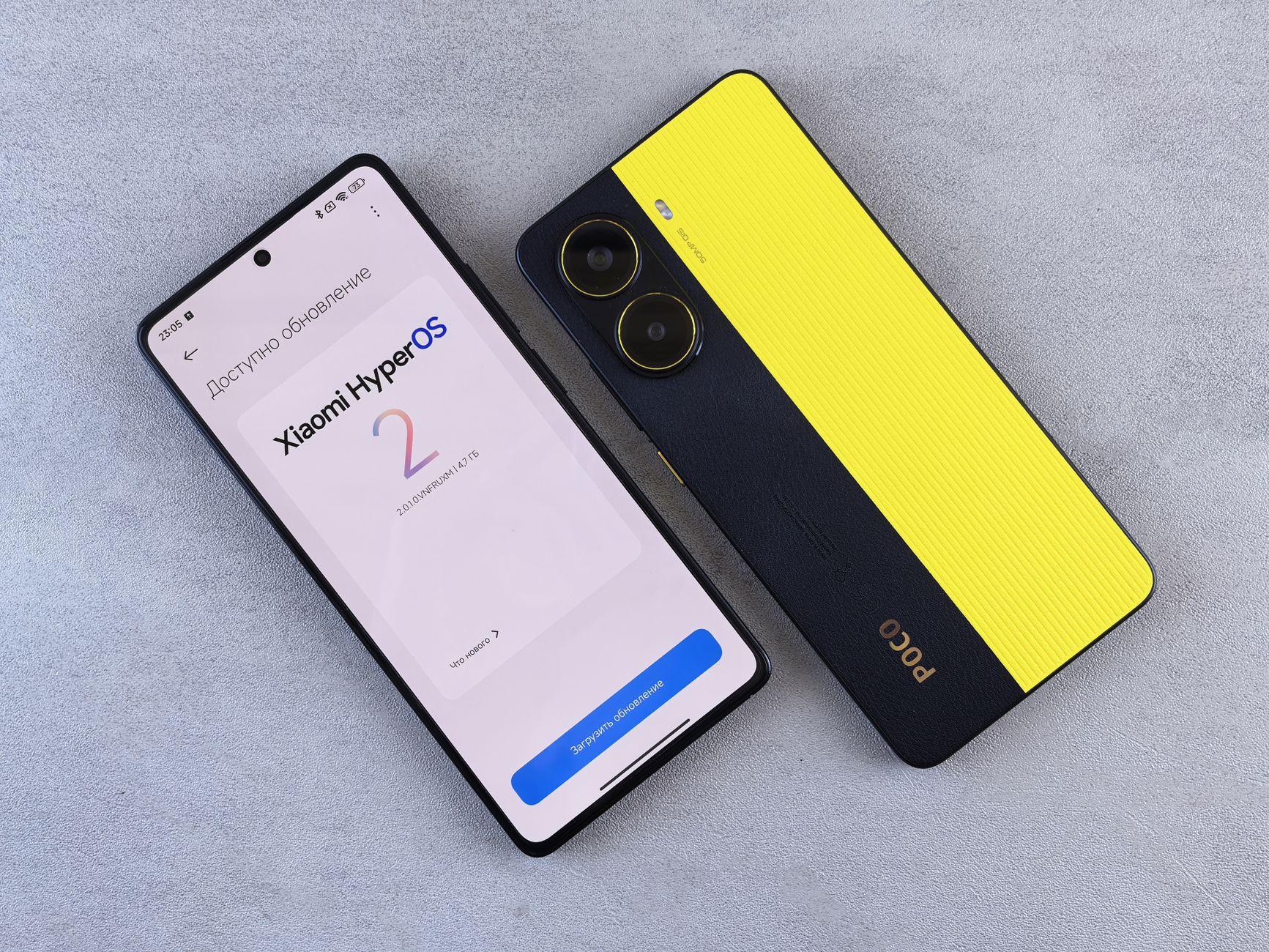
Poco, the sub-brand of Xiaomi known for delivering value-for-money smartphones, has expanded its C-series portfolio in India with the launch of two new budget devices: the Poco C81 and C81x. These smartphones target the entry-level segment, which remains highly competitive in the Indian market where millions of first-time smartphone buyers enter the ecosystem each year.
Pricing and Availability
The Poco C81 series is positioned aggressively to capture market share in the sub-10,000 rupee segment. The base variant of the Poco C81 typically starts around the Rs 7,000-8,000 mark, while the C81x is expected to be priced slightly lower, making it accessible to budget-conscious consumers. Both devices will be available through multiple channels including online platforms and offline retail stores across India.
The strategic pricing reflects Poco's understanding of the Indian market, where consumers demand maximum specifications at minimum cost. This segment has seen intense competition from brands like Redmi, Realme, and Samsung, all vying for the attention of value-seeking buyers.
Design and Display
Both smartphones feature modern design elements despite their budget positioning. The devices sport large displays, typically in the 6.5 to 6.7-inch range, which has become the standard for contemporary smartphones regardless of price point. The screens likely utilize IPS LCD technology, offering decent viewing angles and brightness levels suitable for everyday use.
The build quality emphasizes durability with plastic construction that keeps costs down while maintaining reasonable aesthetics. Multiple color options are usually offered to appeal to younger demographics who view smartphones as fashion accessories as much as functional devices.
Performance Specifications
Under the hood, the Poco C81 series is expected to feature entry-level processors from MediaTek or Qualcomm's lower-tier Snapdragon series. These chipsets are optimized for basic smartphone tasks including social media browsing, video streaming, light gaming, and everyday productivity applications.
RAM configurations likely start at 4GB, with possible variants offering 6GB to handle multitasking more efficiently. Storage options typically begin at 64GB, with expandable storage via microSD card slot—a crucial feature for users who store extensive media libraries on their devices.
Camera Capabilities
Photography remains a key selling point even in the budget segment. The C81 series is expected to feature:
- Dual or triple rear camera setup with a primary sensor ranging from 13MP to 50MP
- Depth sensor for portrait mode effects
- AI-enhanced photography features for scene detection and optimization
- Front-facing camera around 5MP to 8MP for selfies and video calls
- HD or Full HD video recording capabilities
While these cameras won't match flagship performance, they provide adequate quality for social media sharing and everyday photography needs.
Battery and Connectivity
Battery capacity is typically generous in budget smartphones, and the C81 series likely features cells ranging from 5,000mAh to 6,000mAh. This ensures all-day battery life even with moderate to heavy usage. Fast charging support, possibly 10W or 18W, helps reduce downtime.
Connectivity features include 4G LTE support across both SIM slots, Wi-Fi, Bluetooth, GPS, and a 3.5mm headphone jack—a feature increasingly absent from premium devices but still valued by budget consumers. A USB Type-C port for charging and data transfer represents a welcome inclusion at this price point.
Software Experience
The devices run MIUI for Poco, based on Android, offering a feature-rich experience with extensive customization options. The interface includes various pre-installed applications and features designed to enhance functionality, though some users may find the bloatware excessive.
Market Positioning
The launch of the C81 and C81x demonstrates Poco's commitment to the Indian market, where the brand has built a loyal following. By offering differentiated models, Poco caters to slightly different consumer segments—perhaps varying in storage, RAM, or minor feature sets—while maintaining a cohesive brand presence in physical and online retail environments.
For consumers deciding between these devices, the choice will likely come down to specific feature priorities and the marginal price difference. Both smartphones represent solid options for those seeking reliable performance without breaking the bank, continuing Poco's tradition of democratizing technology access in India's diverse and price-sensitive market.