The concept of a "third place" – somewhere beyond home and work where people gather socially – has traditionally meant cafes, libraries, or community centers. But across India, a quiet revolution is transforming how we think about both fitness and community. Parks, promenades, beaches, and public spaces are becoming vibrant hubs where movement meets meaningful connection, creating a distinctly Indian approach to wellness that prioritizes accessibility over exclusivity.
The Decline of the Traditional Gym Model
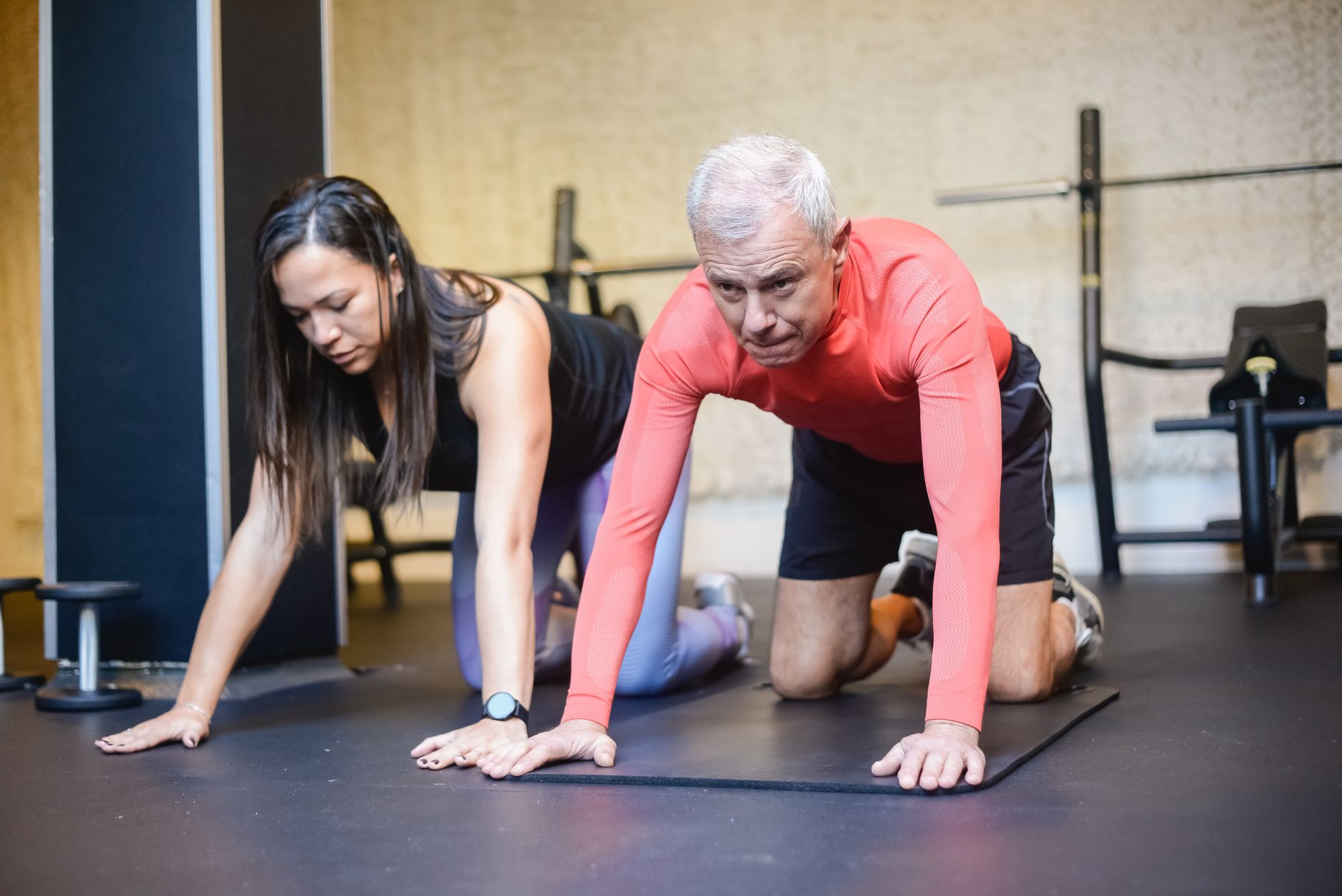
While air-conditioned gyms with monthly memberships once symbolized modern fitness aspirations, many Indians are questioning whether four walls and treadmills offer what they truly need. The pandemic accelerated this shift, forcing people outdoors and revealing that effective fitness doesn't require expensive equipment or memberships. More importantly, people discovered that exercise could be joyful, social, and deeply connected to their environment.
Traditional gyms often feel transactional – you pay, you work out, you leave. The new movement culture emerging across Indian cities offers something fundamentally different: belonging. Whether it's the aunties who gather for laughter yoga in Delhi's Lodhi Gardens or the running crews that meet before dawn in Mumbai's Marine Drive, these gatherings blend physical activity with genuine community building.
What Makes Public Spaces India's New Fitness Hub
Several factors are driving Indians toward outdoor and community-based movement:
- Accessibility: No membership fees or expensive equipment required
- Social connection: Exercise becomes a shared experience rather than a solitary grind
- Mental health benefits: Natural settings and community support address wellness holistically
- Cultural fit: Group activities align with India's collectivist social traditions
- Flexibility: People can join activities that match their schedule and fitness level
- Variety: From cricket to calisthenics, dancing to yoga, options are limitless
The Rise of Movement Communities
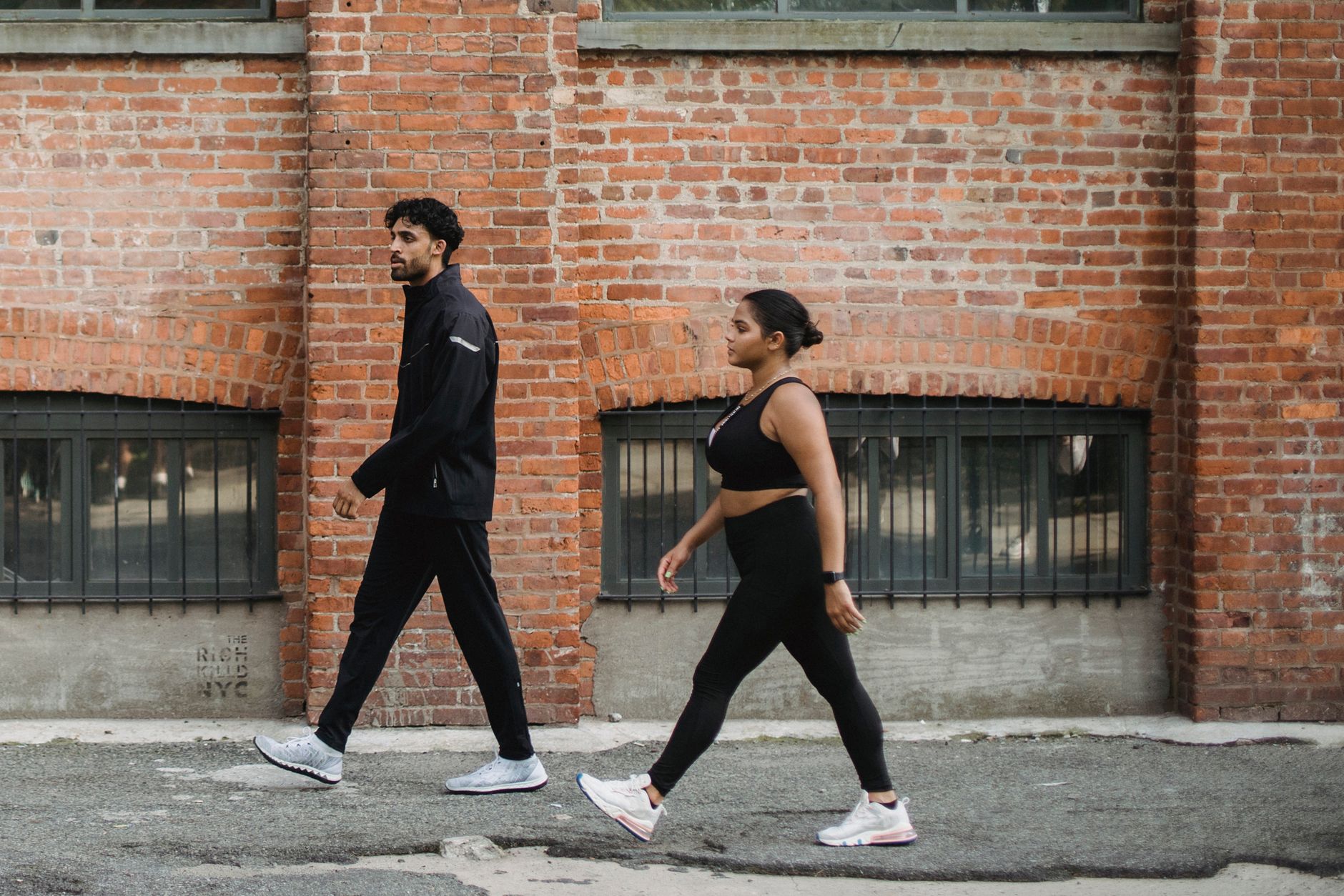
Across Indian cities, organized movement communities are flourishing. Running clubs have exploded in popularity, with groups like the Mumbai Road Runners, Bangalore Running Community, and countless neighborhood-specific crews bringing together thousands of participants. These aren't competitive athletes – they're regular people who've discovered that running with others transforms what was once a chore into a highlight of their day.
Yoga circles in parks attract diverse participants who might never step into a studio. The informal setting and often free or donation-based model makes ancient practices accessible to everyone, not just those who can afford boutique classes. Similarly, callisthenics groups gather around public workout equipment, with experienced practitioners mentoring newcomers in a spirit of mutual encouragement rather than competition.
Dance fitness has also moved outdoors, with Zumba, Bollywood dance, and traditional folk dance sessions happening in parks and public squares. These gatherings often feel more like celebrations than workouts, breaking down the often intimidating barriers that formal fitness settings create.
Beyond Physical Fitness
What distinguishes this movement from simple outdoor exercise is its emphasis on holistic wellness. These gatherings address India's growing mental health crisis by building support networks and reducing isolation. The conversations that happen before and after the activity – the chai shared, the friendships formed, the problems discussed – matter as much as the physical movement itself.
For many participants, especially women and older adults who might feel uncomfortable in traditional gym environments, these public spaces offer a sense of safety and inclusion. The diversity of ages, bodies, and fitness levels creates an atmosphere where showing up matters more than performance.
The Economic and Environmental Angle
This shift also represents a democratization of fitness. When wellness doesn't require expensive memberships, specialized clothing, or equipment, it becomes available to a broader cross-section of society. Street workouts, park yoga, and community runs cost nothing but time and effort.
From an environmental perspective, outdoor movement culture reduces the carbon footprint associated with climate-controlled gyms and the commutes to reach them. It encourages people to reclaim and care for public spaces, fostering a sense of civic responsibility alongside personal wellness.
Challenges and Sustainability
Despite its benefits, this movement faces challenges. Urban air quality, especially in northern cities during winter, raises questions about outdoor exercise safety. Inadequate public infrastructure, poorly maintained parks, and limited safe spaces for women after dark constrain participation.
For this trend to mature into a lasting transformation, cities need investment in public spaces, better lighting and safety measures, and protection of existing green spaces from development pressures.
The Road Ahead
India's outdoor movement culture represents more than a fitness trend – it's a reimagining of community, wellness, and public space. As it continues to grow, it offers a template for addressing multiple challenges simultaneously: physical inactivity, mental health struggles, social isolation, and environmental sustainability.
The future of fitness in India may not be built in gyms but rather reclaimed in the spaces we already share, one morning gathering at a time.
This article provides general information about fitness trends and should not replace personalized advice from qualified healthcare or fitness professionals regarding your specific health needs and conditions.