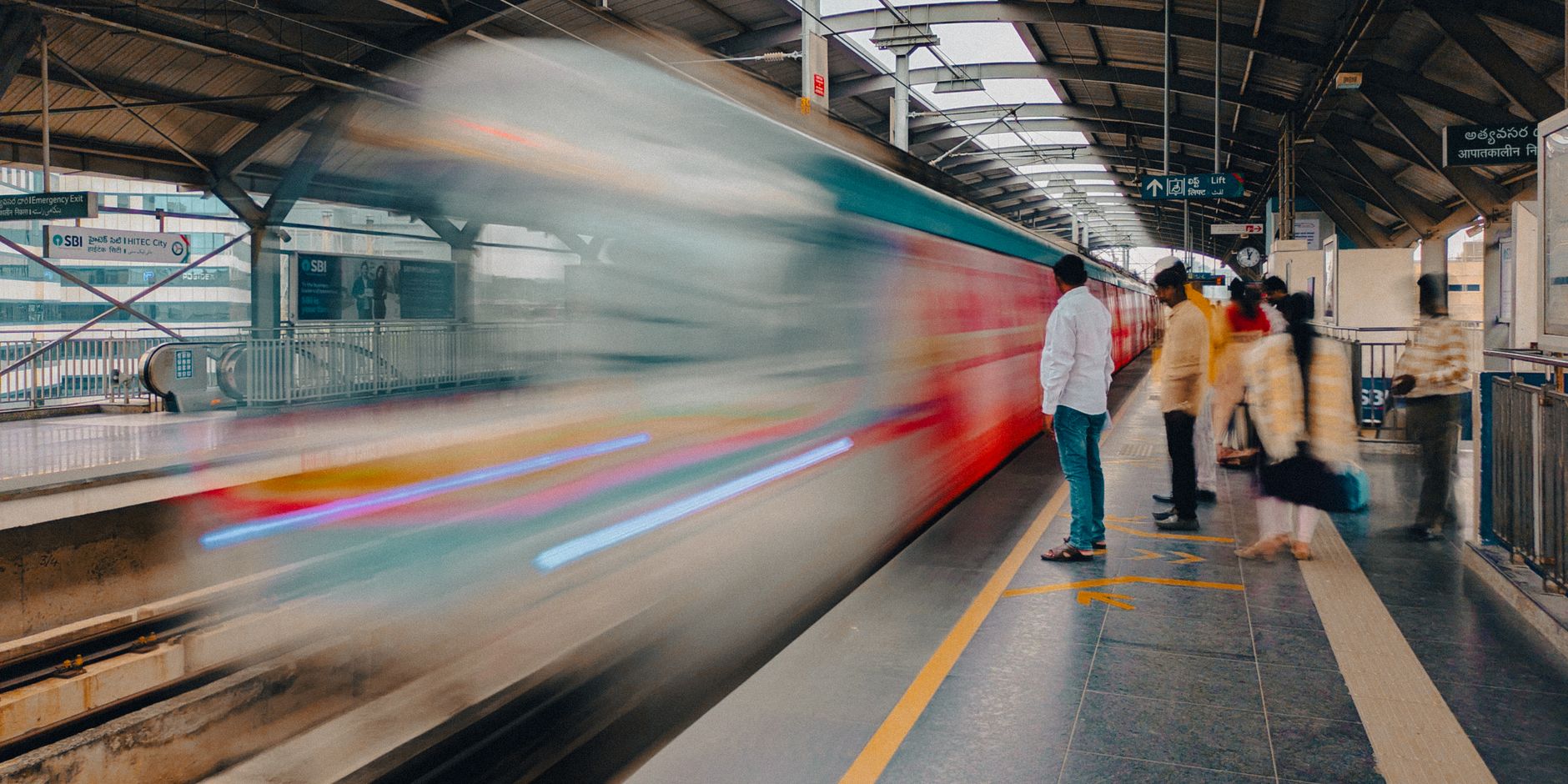
India has joined an elite group of nations operating hydrogen-powered trains, launching its first indigenous hydrogen fuel cell locomotive to widespread acclaim from pilots and engineering students who participated in trial runs. This milestone represents a major leap in the country's commitment to reducing carbon emissions in its massive railway network, which serves over 8 billion passengers annually.
How Hydrogen Trains Work
Hydrogen-powered trains operate using fuel cells that convert hydrogen gas into electricity through an electrochemical reaction. Unlike diesel locomotives, the only byproducts of this process are water vapor and heat, making them genuinely zero-emission vehicles. The electricity generated powers electric motors that drive the train, similar to battery-electric trains but with hydrogen storage instead of large battery packs.
The fuel cells combine hydrogen stored in onboard tanks with oxygen from the air. This reaction produces electrical energy that either directly powers the train's motors or charges backup batteries for peak power demands during acceleration. The technology offers several advantages over traditional battery-electric systems, including faster refueling times and longer range between refills.
Performance Characteristics
Early reports from pilots operating the hydrogen train highlight its impressive acceleration and pickup, addressing one of the key concerns about alternative fuel technologies. The instant torque delivery characteristic of electric motors, combined with the consistent power output from fuel cells, provides smooth and responsive performance that matches or exceeds conventional diesel-electric locomotives.
The train's operational efficiency stems from the high energy density of hydrogen fuel, which allows it to carry sufficient fuel for long-distance routes without the weight penalties associated with large battery systems. This makes hydrogen particularly suitable for India's extensive rail network, which includes routes spanning hundreds of kilometers between major cities.
Environmental Impact
The zero-pollution aspect of hydrogen trains represents a transformative opportunity for India's railways, one of the world's largest rail networks and a significant contributor to transportation emissions. By eliminating diesel combustion, these trains eliminate particulate matter, nitrogen oxides, and carbon dioxide emissions at the point of use.
However, the overall environmental benefit depends on how the hydrogen fuel is produced. Green hydrogen, produced through electrolysis using renewable energy sources like solar or wind power, offers the greatest environmental advantage. Blue hydrogen, derived from natural gas with carbon capture, provides moderate benefits, while grey hydrogen from fossil fuels without capture offers limited emissions reduction.
Indigenous Technology Development
The emphasis on indigenous technology development reflects India's broader push for self-reliance in critical sectors. Developing hydrogen train technology domestically helps build local engineering expertise, creates high-skilled jobs, and reduces dependence on foreign suppliers for strategic transportation infrastructure.
This initiative aligns with India's National Hydrogen Mission, which aims to establish the country as a global hub for hydrogen production and utilization. By developing these technologies at home, India can customize solutions for its specific operational requirements, including high passenger loads, diverse terrain, and varying climate conditions.
Challenges and Infrastructure Requirements
Despite the promising debut, widespread adoption of hydrogen trains faces several hurdles. The most significant challenge is establishing a hydrogen production and distribution network. Trains require regular refueling access, necessitating investment in hydrogen generation facilities, storage infrastructure, and refueling stations along rail corridors.
The current cost of hydrogen fuel cells and hydrogen production remains higher than conventional diesel systems, though prices are expected to decline with scale and technological improvements. Additionally, training personnel to operate and maintain this new technology requires comprehensive programs for drivers, engineers, and maintenance staff.
Global Context
India joins Germany, France, China, and a handful of other nations operating hydrogen trains. Germany launched the world's first hydrogen passenger trains in 2018, while China has been rapidly expanding its hydrogen rail fleet. India's entry into this space demonstrates its commitment to adopting and adapting cutting-edge clean transportation technologies.
Future Outlook
The successful launch of India's first hydrogen train marks the beginning rather than the culmination of this technological transition. Plans for expanding hydrogen train deployment will likely focus on specific routes where the technology offers clear advantages, such as non-electrified lines in environmentally sensitive areas or regions with abundant renewable energy for hydrogen production.
As the technology matures and costs decrease, hydrogen trains could become a cornerstone of India's sustainable transportation strategy, complementing existing electrified routes and replacing diesel locomotives on lines where overhead electrification is impractical or prohibitively expensive.