India's tourism industry has undergone a dramatic metamorphosis in the last ten years, evolving from a sector plagued by infrastructure challenges to one of the fastest-growing travel markets globally. This transformation has been driven by a strategic combination of government initiatives, private investment, and a renewed focus on India's unique spiritual and cultural heritage.
The Infrastructure Revolution
The foundation of India's tourism boom lies in its infrastructure overhaul. The construction and modernization of airports across tier-2 and tier-3 cities has democratized air travel, making previously remote destinations accessible to both domestic and international travelers. Cities like Shirdi, Guwahati, and Ayodhya now boast world-class airport facilities that handle millions of passengers annually.
Highway development has been equally transformative. The expansion of national highways and expressways has reduced travel times between major tourist circuits significantly. The Delhi-Mumbai Expressway, coastal road projects, and improved hill road connectivity have made road trips more comfortable and reliable, encouraging domestic tourism growth.
Railway infrastructure has also kept pace with modernization. The introduction of Vande Bharat Express trains on key routes, station redevelopment projects, and improved passenger amenities have enhanced the railway travel experience. Heritage railway circuits and luxury tourist trains have added new dimensions to rail-based tourism.
Spiritual Tourism Takes Center Stage
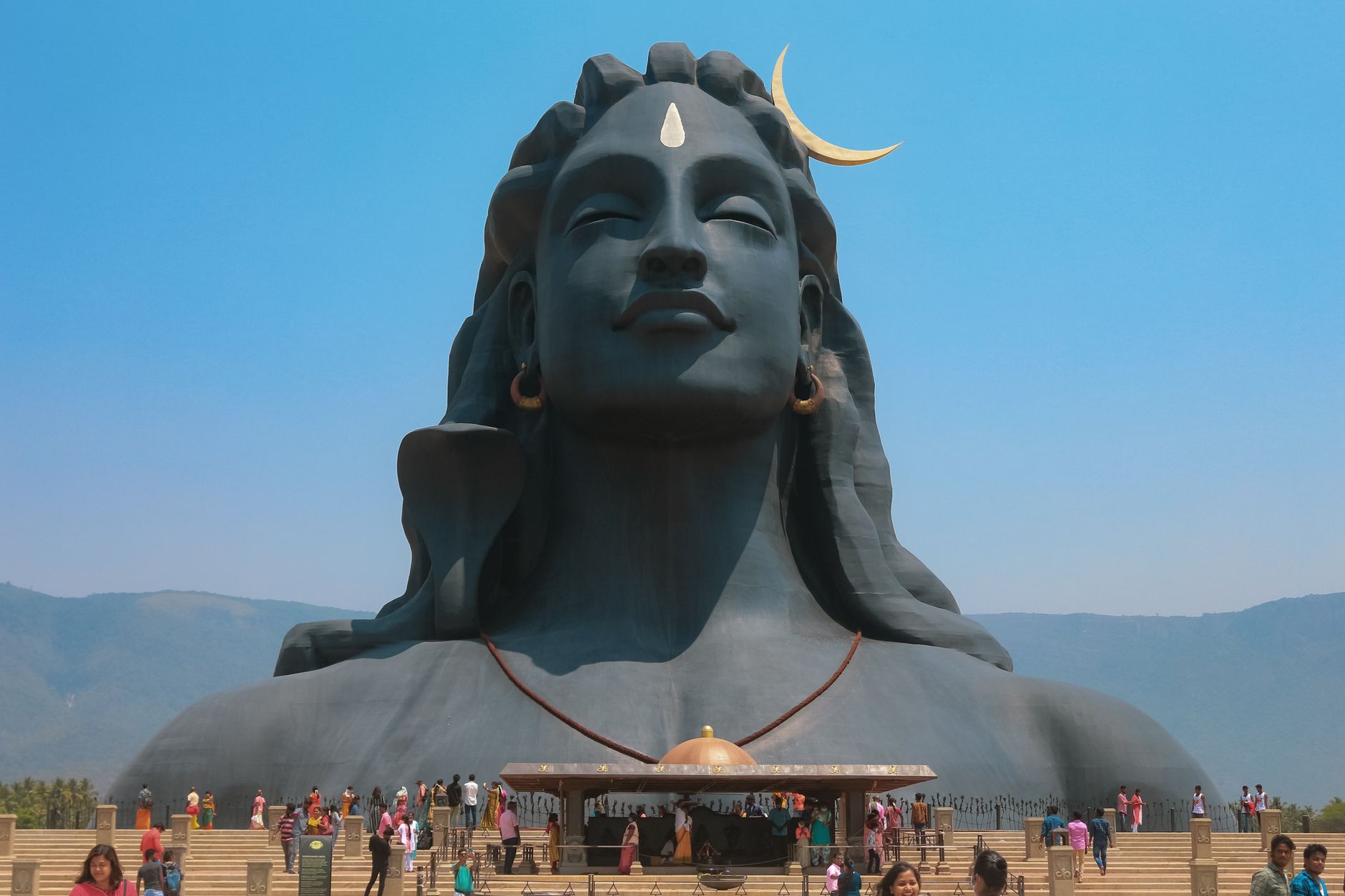
India's spiritual tourism sector has emerged as a primary growth driver. The development of pilgrimage sites with modern facilities while preserving their sanctity has attracted millions of devotees and cultural tourists. The Kashi Vishwanath Corridor project in Varanasi exemplifies this approach, combining religious significance with world-class visitor infrastructure.
Major pilgrimage destinations have received comprehensive makeovers. Sites like Kedarnath, Badrinath, Amarnath, and the Char Dham circuit now feature improved access roads, accommodation facilities, and safety measures. The government's PRASHAD scheme has systematically upgraded spiritual destinations, making them more accessible to elderly pilgrims and international visitors.
Buddhist circuit tourism has gained momentum, attracting visitors from across Asia. Sites associated with Buddha's life, including Bodh Gaya, Sarnath, and Kushinagar, have seen increased footfall and infrastructure development, positioning India as a key destination for Buddhist pilgrims worldwide.
Digital Connectivity and Smart Tourism
The digital revolution has fundamentally changed how Indians discover and experience travel. Widespread internet penetration and smartphone adoption have made travel planning accessible to millions. Online booking platforms, travel apps, and digital payment systems have simplified the entire travel process, from research to final booking.
The government's e-visa initiative has streamlined international arrivals. What once took weeks of paperwork can now be completed in days online, significantly boosting foreign tourist arrivals. The expansion of e-visa categories and qualifying nationalities has opened Indian tourism to new markets.
Emerging Destinations and Niche Tourism
The past decade has witnessed the rise of offbeat destinations beyond traditional tourist circuits. States like Uttarakhand, Himachal Pradesh, and northeastern states have successfully promoted adventure tourism, wildlife tourism, and experiential travel. Homestays and eco-tourism initiatives have created economic opportunities in rural areas while offering authentic experiences to travelers.
Medical tourism and wellness tourism have emerged as significant segments. India's combination of quality healthcare at competitive costs and traditional wellness practices like Ayurveda and yoga has attracted health-conscious travelers. Dedicated wellness resorts and medical tourism facilitators have professionalized this sector.
Challenges and Future Outlook
Despite impressive growth, challenges remain. Sustainability concerns at popular destinations require immediate attention. Overcrowding at heritage sites, environmental degradation in ecologically sensitive areas, and strain on local resources demand balanced tourism development strategies.
The future of Indian tourism lies in sustainable growth models. Technology integration through AI-powered travel assistants, virtual reality previews, and smart destination management systems will enhance visitor experiences. Climate-conscious travel options and responsible tourism practices will become increasingly important.
Regional tourism promotion offers untapped potential. States developing unique tourism identities based on local culture, cuisine, and natural assets will diversify India's tourism portfolio beyond established circuits.
The transformation of India's tourism sector over the past decade demonstrates what strategic planning, infrastructure investment, and leveraging cultural assets can achieve. As the country continues to improve accessibility and services, its position as a leading global tourism destination appears increasingly secure.