The World Travel & Tourism Council has released projections positioning India as a future powerhouse in the global travel and tourism sector. According to their forecast, India is expected to climb to the fourth position worldwide in terms of travel and tourism economic contribution by 2036, reflecting the country's growing importance as both a destination and source market.
This optimistic outlook comes at a time when India's travel sector is experiencing robust post-pandemic recovery and transformation. The projection highlights not just the country's vast potential but also the significant strides being made in infrastructure development, digital connectivity, and tourism promotion.
Current Position and Growth Trajectory
India currently ranks among the top ten travel and tourism economies globally, but the projected leap to fourth place represents substantial growth. This advancement would place India ahead of several established tourism markets, reflecting the changing dynamics of global travel patterns and economic development.
The travel and tourism sector's contribution to India's GDP has been steadily increasing, encompassing direct impacts from hotels, airlines, travel agencies, and other passenger transport services, as well as indirect contributions from capital investment and government spending on tourism infrastructure.
Key Drivers Behind the Projection
Several factors are converging to propel India's travel economy forward:
- Rising middle class with increased disposable income and appetite for travel experiences
- Government initiatives like the Incredible India campaign and visa liberalization policies
- Massive infrastructure investments including new airports, highways, and railway modernization
- Growth of domestic tourism, which accounts for a significant majority of travel activity in India
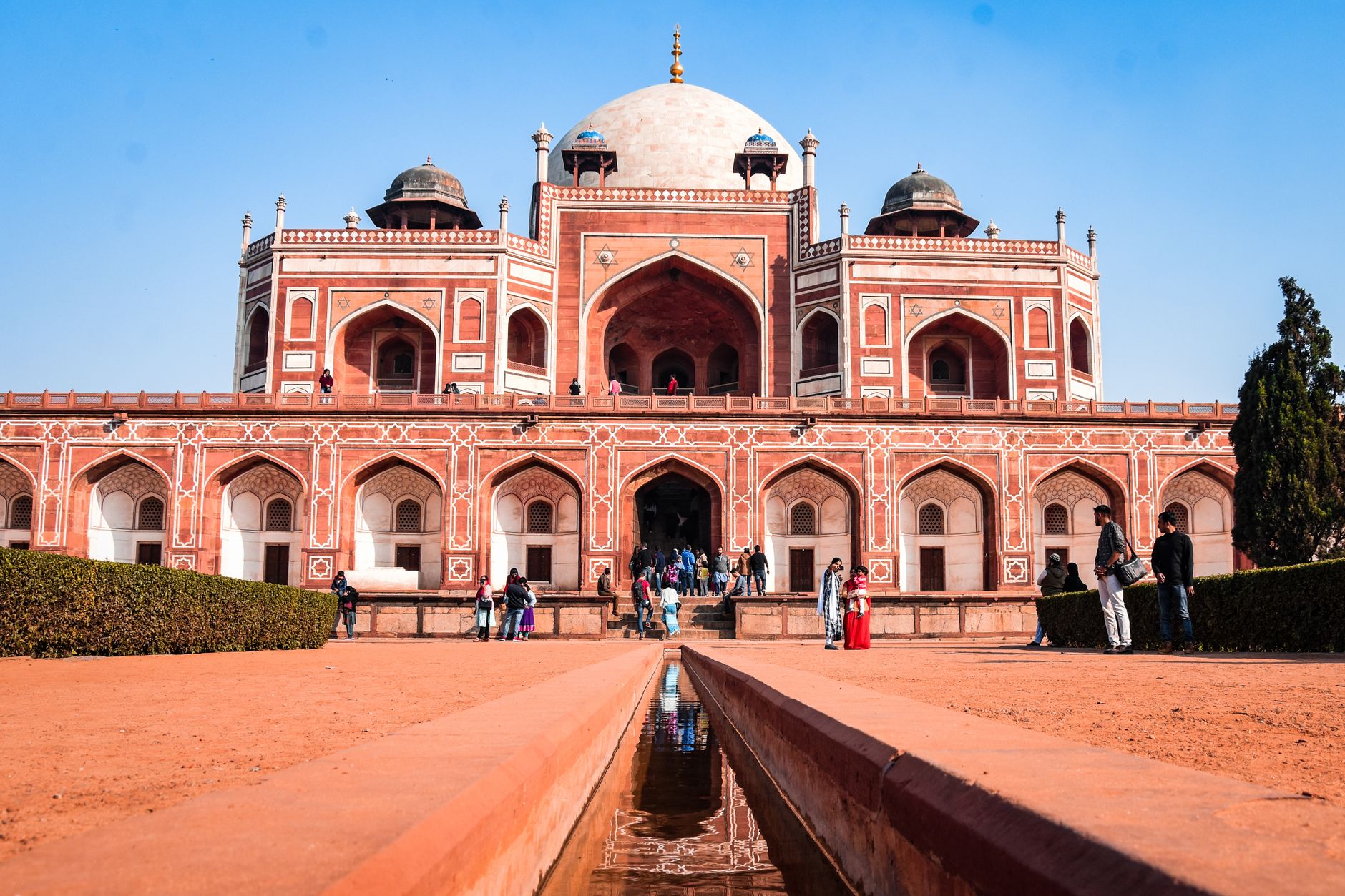
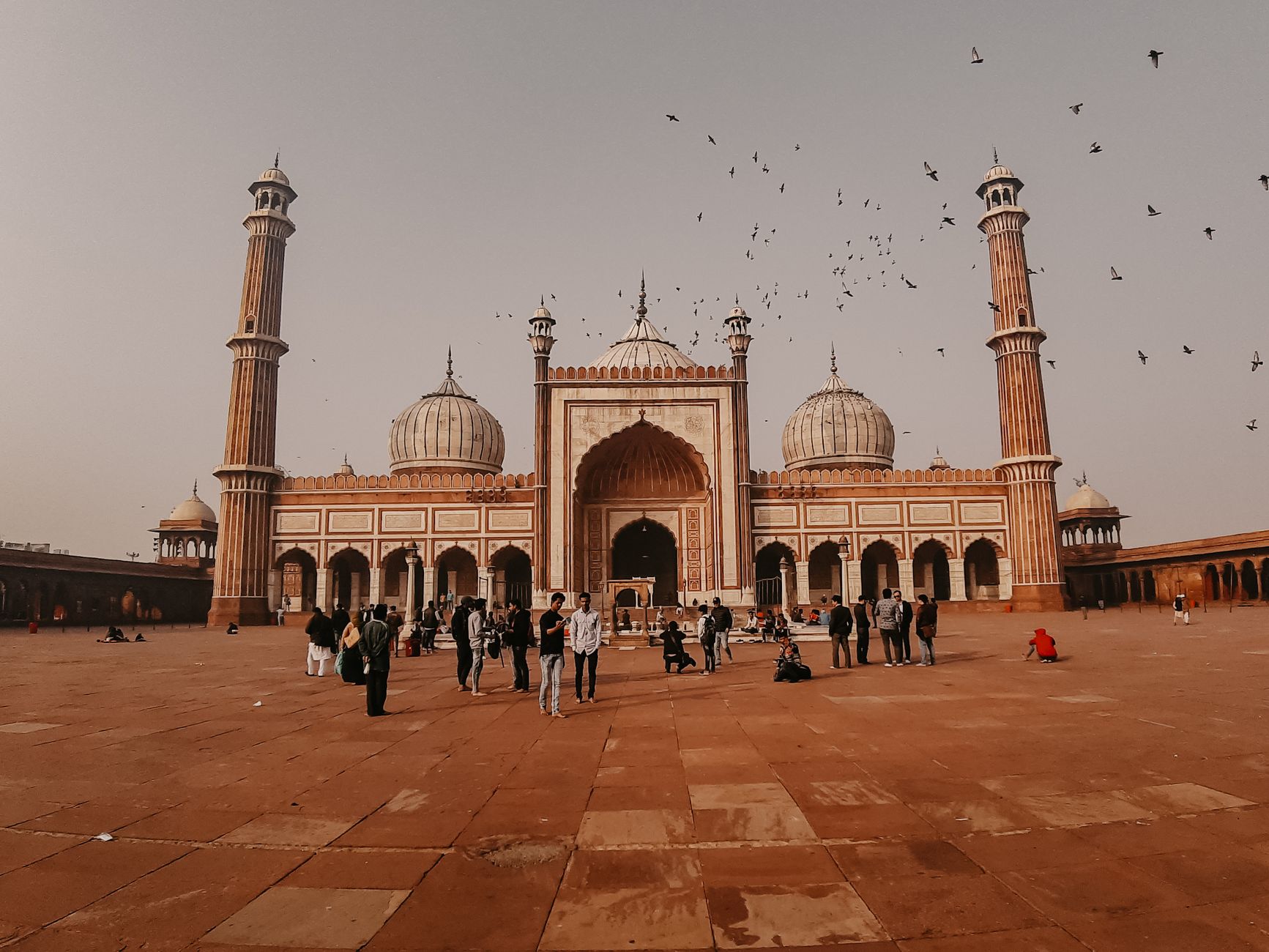
- Increasing international recognition of India's diverse tourism offerings from heritage sites to wellness tourism
- Digital transformation making travel planning and booking more accessible
The demographic dividend plays a crucial role, with India's young population showing strong enthusiasm for both domestic and international travel. As income levels rise, travel is transitioning from a luxury to an essential aspect of lifestyle for millions of Indian families.
Infrastructure Development Impact
India's ambitious infrastructure development plans are central to achieving this projection. The government has been investing heavily in airport expansion, with numerous new airports and terminal upgrades underway. The development of dedicated freight corridors, expressways, and high-speed rail connections is making previously remote destinations more accessible.
Hotel and accommodation capacity has also been expanding rapidly across price segments, from budget hotels to luxury resorts. The hospitality sector has seen significant foreign and domestic investment, recognizing the long-term potential of Indian tourism.
Employment and Economic Implications
The travel and tourism sector is one of India's largest employment generators. As the industry grows toward this projected fourth-place ranking, it is expected to create millions of additional jobs across various skill levels. These range from hospitality and tour operations to technology services and artisan crafts.
The multiplier effect of tourism spending benefits numerous ancillary sectors including agriculture, handicrafts, transportation, and entertainment. Small and medium enterprises particularly stand to benefit from the tourism boom, especially in destinations beyond the traditional tourist circuits.
Challenges to Address
While the projection is promising, several challenges need addressing to realize this potential:
- Infrastructure bottlenecks in popular destinations leading to overcrowding
- Environmental sustainability concerns requiring responsible tourism practices
- Skills gap in hospitality and service quality standards
- Regional disparities with some areas lacking basic tourism infrastructure
- Seasonal fluctuations affecting year-round employment stability
Regional and Niche Tourism Opportunities
India's diversity offers tremendous opportunities for niche tourism segments. Wellness and yoga tourism, adventure travel in the Himalayas, wildlife safaris, coastal tourism, and heritage circuits all present growth avenues. The government's focus on promoting lesser-known destinations can help distribute tourism benefits more equitably while reducing pressure on over-visited sites.
International Competitiveness
To achieve and maintain fourth-place status, India will need to remain competitive on multiple fronts including ease of visa processing, safety and security perceptions, cleanliness standards, and value for money. Continuous improvement in tourist experience and service standards will be essential.
The projected rise to the world's fourth-largest travel and tourism economy by 2036 represents both an opportunity and a responsibility for India. It signals the sector's potential to drive economic growth, create employment, and showcase India's cultural wealth to the world while necessitating sustainable and inclusive development approaches.