India's mobility landscape is experiencing unprecedented change, fundamentally altering how its 1.4 billion citizens travel for work, leisure, and daily commuting. From metro rail expansions to highway modernization and aviation sector growth, the nation is literally on the move in ways that would have seemed impossible just a decade ago.
Infrastructure Development Drives Connectivity
The backbone of India's travel transformation lies in massive infrastructure investments across multiple sectors. The government's emphasis on connectivity has resulted in the construction of over 50,000 kilometers of national highways in recent years, dramatically reducing travel times between major cities. The Golden Quadrilateral and North-South and East-West Corridors have created seamless road networks connecting metros, tier-2 cities, and rural areas.
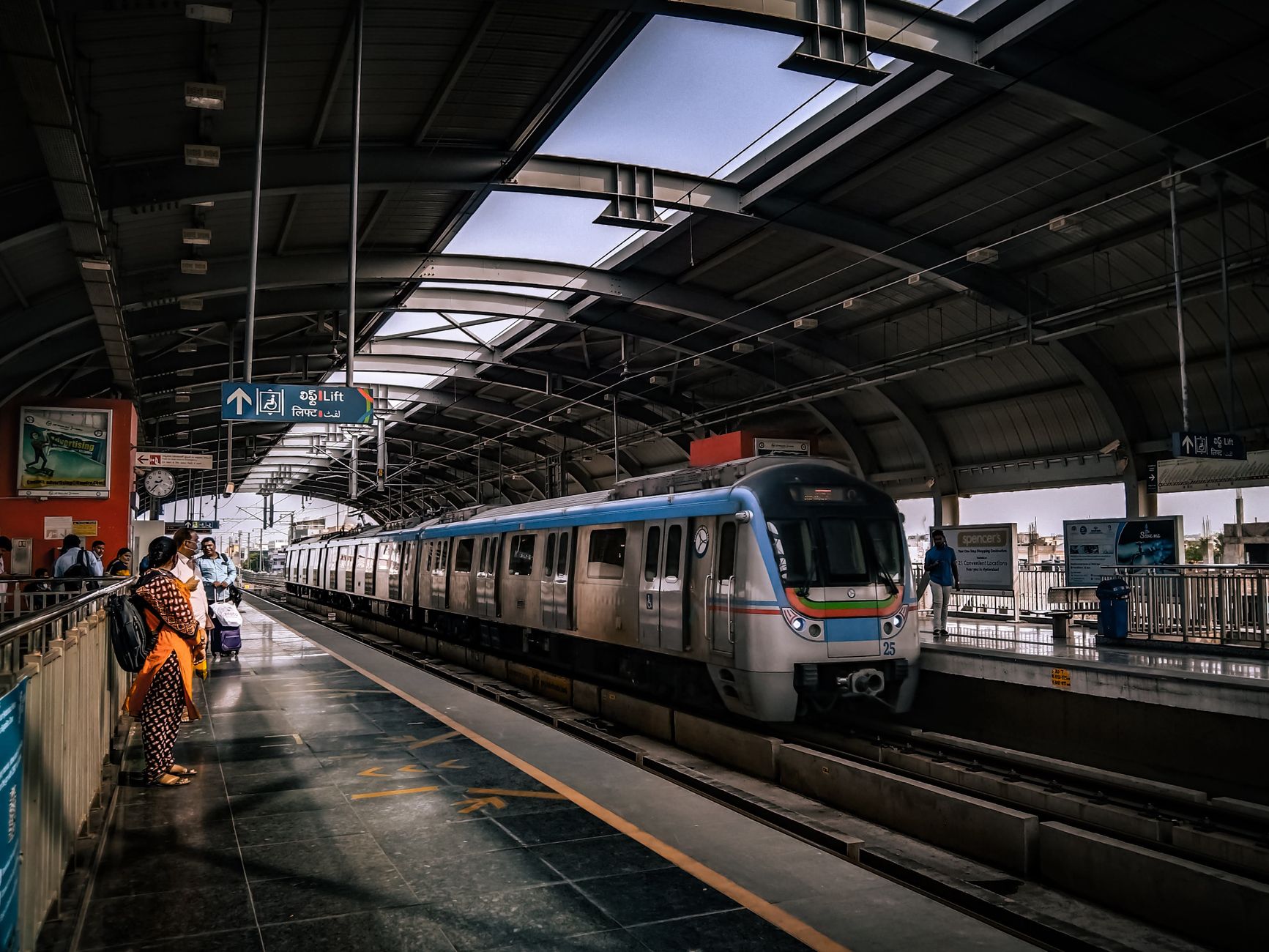
Metro rail networks have expanded beyond traditional metros like Delhi, Mumbai, and Kolkata to cities including Lucknow, Jaipur, Kochi, and Nagpur. These mass rapid transit systems are not merely infrastructure projects but catalysts for urban transformation, reducing traffic congestion and pollution while providing affordable, reliable transportation options to millions of daily commuters.
Aviation Sector Reaches New Heights
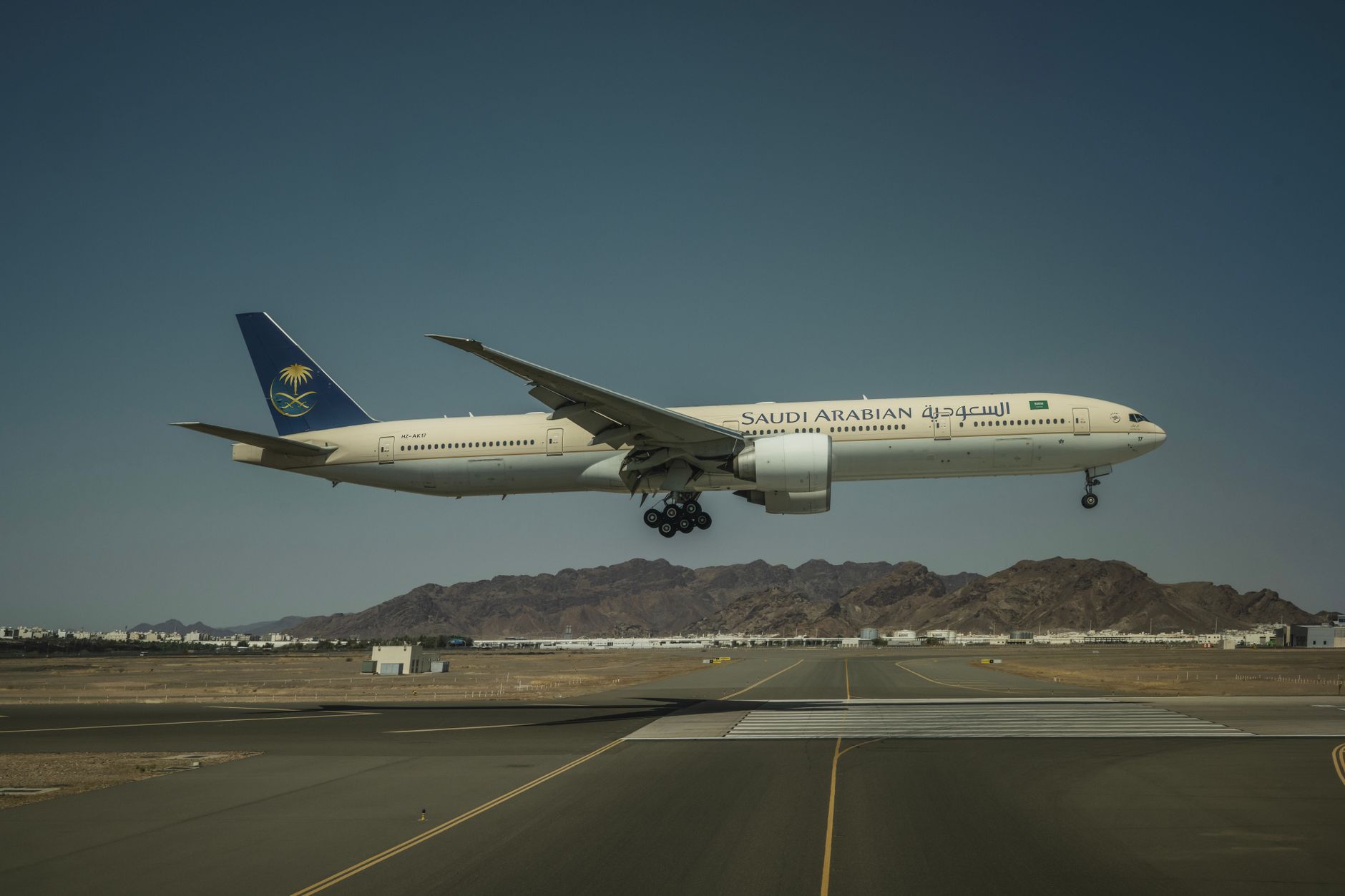
The democratization of air travel represents one of India's most visible mobility shifts. Budget airlines have made flying accessible to the middle class, with domestic passenger traffic growing exponentially. Regional connectivity schemes have brought air services to previously underserved destinations, opening up tourism and business opportunities in smaller cities and remote regions.
New airports and terminal expansions are keeping pace with demand, while initiatives to improve passenger experience through digital boarding passes, biometric identification, and streamlined security procedures are making air travel more efficient. The sector's growth trajectory positions India as one of the world's fastest-growing aviation markets.
Railways Embrace Modernization
Indian Railways, the lifeline of the nation, is undergoing comprehensive modernization. The introduction of Vande Bharat Express trains showcases indigenous semi-high-speed rail technology, offering passengers enhanced comfort and reduced journey times. Station redevelopment projects are transforming railway stations into world-class transit hubs with improved amenities, cleanliness, and passenger facilities.
Freight corridor development is revolutionizing cargo movement, while dedicated high-speed rail corridors under planning promise to further compress travel times between major economic centers. The digitization of ticketing, real-time tracking, and dynamic pricing has made rail travel more user-friendly and accessible.
Digital Revolution in Travel Planning
Technology has fundamentally changed how Indians plan and execute their journeys. Ride-hailing apps have disrupted traditional taxi services, offering convenient, transparent, and safe transportation options in cities large and small. Integrated mobility platforms now allow travelers to book flights, trains, buses, and hotels through single applications, comparing options and prices instantly.
Digital payment systems have eliminated the need for cash transactions, making travel smoother and more secure. Real-time traffic updates, GPS navigation, and public transport apps help travelers make informed decisions and optimize their routes, saving time and reducing stress.
Tourism Industry Gains Momentum
Enhanced connectivity has breathed new life into India's tourism sector. Destinations previously considered difficult to reach are now accessible, driving domestic tourism growth. Weekend getaways have become commonplace as improved roads and affordable transportation options make short trips feasible for working professionals.
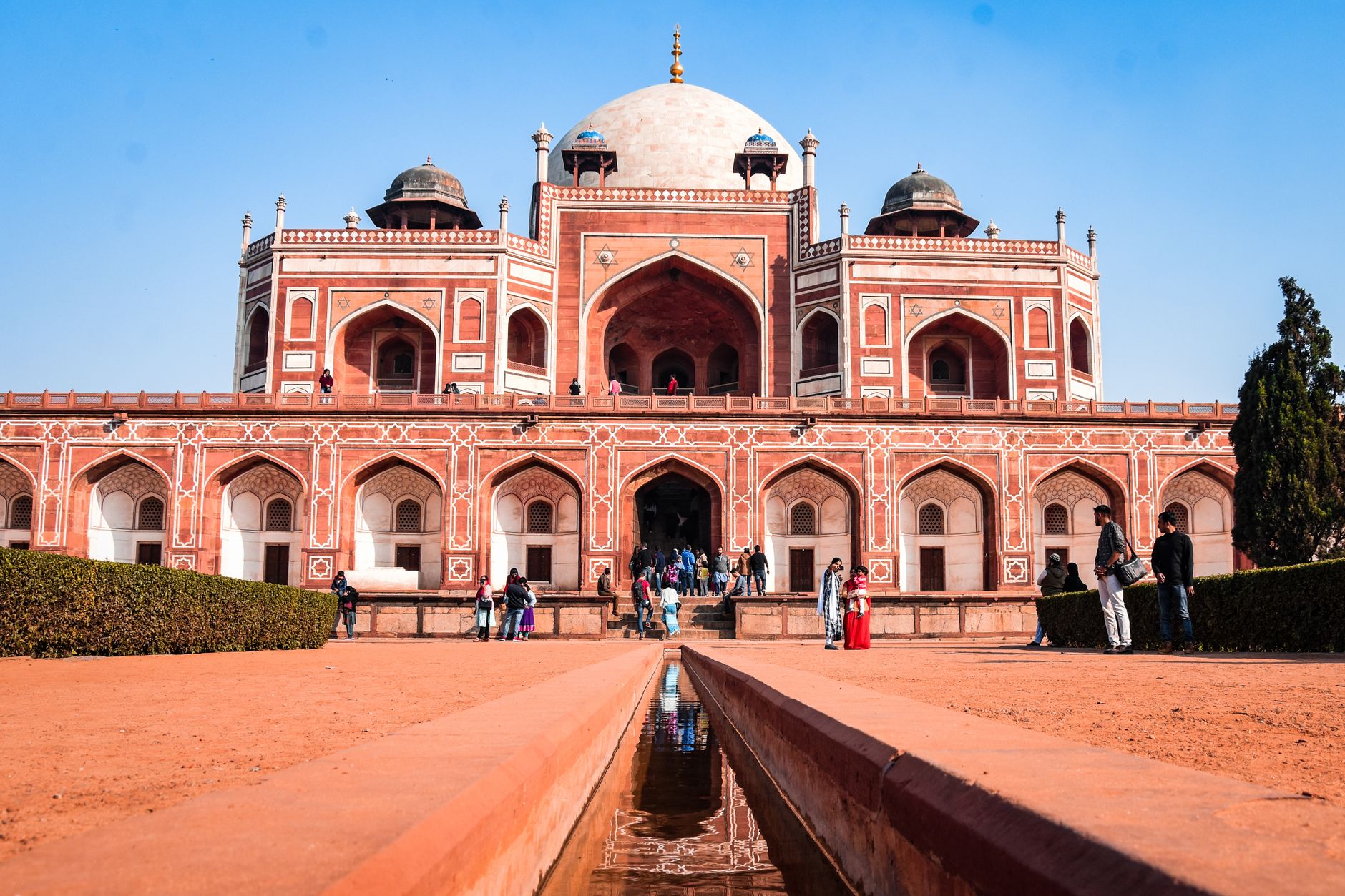
The government's focus on developing tourist circuits, improving amenities at heritage sites, and promoting lesser-known destinations is diversifying India's tourism offerings. From spiritual tourism to adventure sports, wellness retreats to culinary tours, the breadth of experiences available to travelers continues to expand.
Sustainability Challenges and Opportunities
As India moves, it also confronts environmental implications. The push toward electric vehicles in public transportation, including electric buses and auto-rickshaws in several cities, represents an important step toward sustainable mobility. Metro systems and improved public transport infrastructure help reduce individual vehicle dependency and associated emissions.
However, balancing rapid mobility growth with environmental sustainability remains an ongoing challenge requiring coordinated policy interventions, technological innovation, and behavioral changes among travelers.
The Road Ahead
India's mobility transformation reflects broader economic development and rising aspirations. As infrastructure continues to improve, technology becomes more integrated, and services become more passenger-centric, the nation's travel ecosystem will continue evolving. The convergence of physical infrastructure, digital platforms, and policy support is creating an environment where mobility is increasingly efficient, affordable, and accessible to all segments of society.