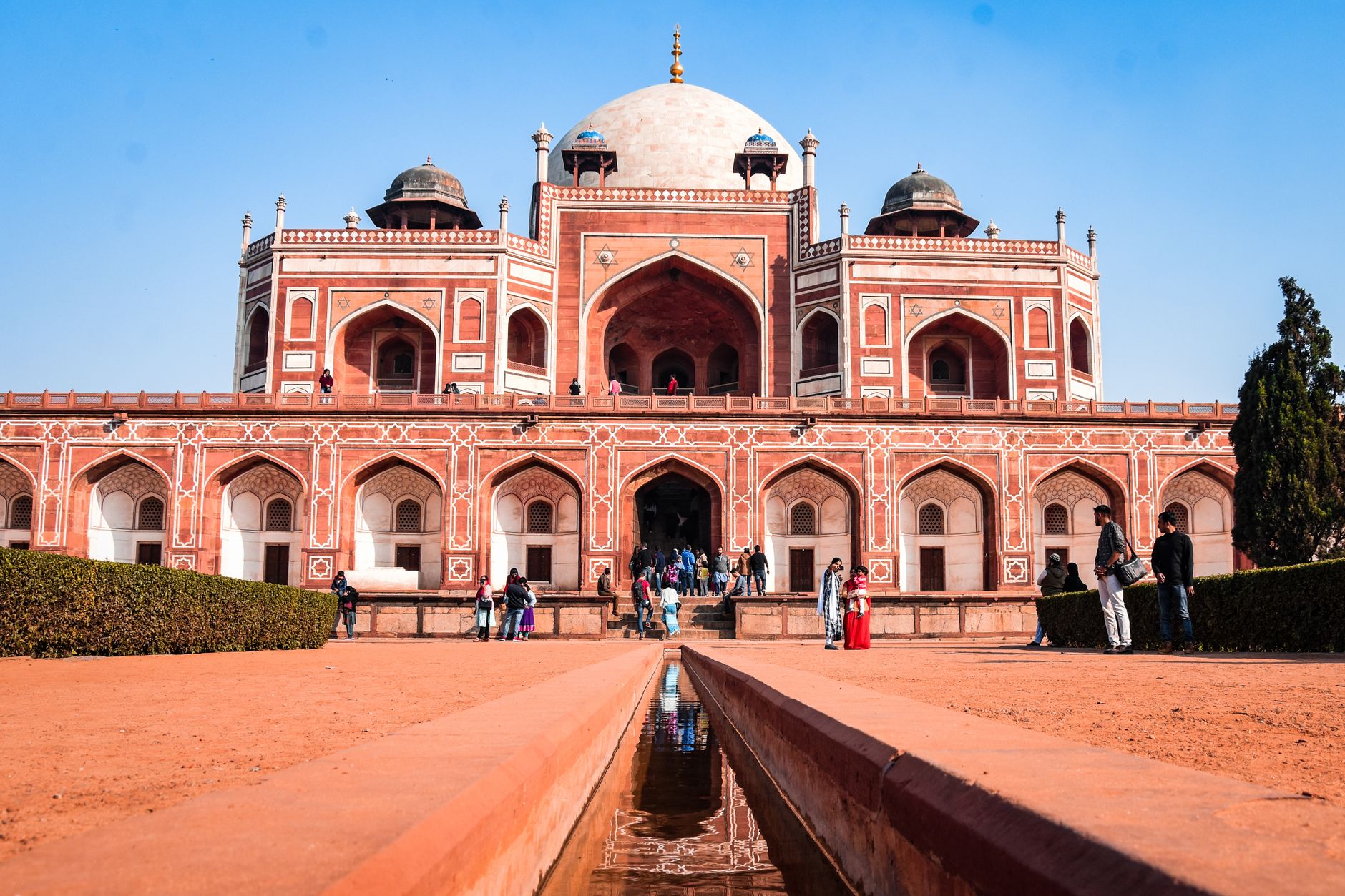
India stands at a pivotal moment in its tourism trajectory, with industry leaders emphasizing that streamlined visa processes and enhanced connectivity could unlock unprecedented growth in one of the world's most culturally rich destinations. The World Travel & Tourism Council's recent observations underscore what many industry stakeholders have long recognized: administrative barriers and infrastructure gaps remain significant obstacles to India's tourism aspirations.
The Current State of Indian Tourism
India's tourism sector has shown remarkable resilience, particularly following the pandemic-induced slowdown. The country welcomed millions of international visitors in recent years, drawn by its diverse offerings from the Himalayas to tropical beaches, ancient temples to modern tech hubs. However, when compared to competitors like Thailand, Malaysia, or even neighboring countries, India's numbers reveal untapped potential.
The sector contributes substantially to India's GDP and employs millions across hospitality, transport, handicrafts, and related industries. Yet this contribution could be significantly higher with the right policy interventions and infrastructure investments.
The Visa Challenge
India's visa application process, while improved through e-visa initiatives, still presents hurdles that deter spontaneous travel and repeat visits. Several issues persist:
- Processing times can be unpredictable, making last-minute travel difficult
- The e-visa system, though beneficial, has limited validity periods and restrictions on entry points
- Documentation requirements remain extensive compared to visa-on-arrival schemes in competing destinations
- Multiple-entry visas with longer validity are not as readily available as in other major tourist destinations
Countries that have simplified visa regimes have witnessed dramatic increases in tourist arrivals. Thailand's visa exemptions and Malaysia's straightforward processes have contributed to their tourism success stories. India could learn from these examples while maintaining necessary security protocols.
Connectivity Gaps Holding Back Growth
Beyond visas, physical connectivity remains a critical bottleneck. While major cities like Delhi, Mumbai, and Bangalore have international airports with good connectivity, secondary tourist destinations often lack adequate access.
- Domestic flight connectivity to tier-2 and tier-3 cities with tourist attractions remains inconsistent
- Rail infrastructure, though extensive, needs speed and comfort upgrades on tourist routes
- Road connectivity to remote destinations can be challenging, affecting tourist experiences
- Last-mile connectivity from transport hubs to actual tourist sites often lacks quality options
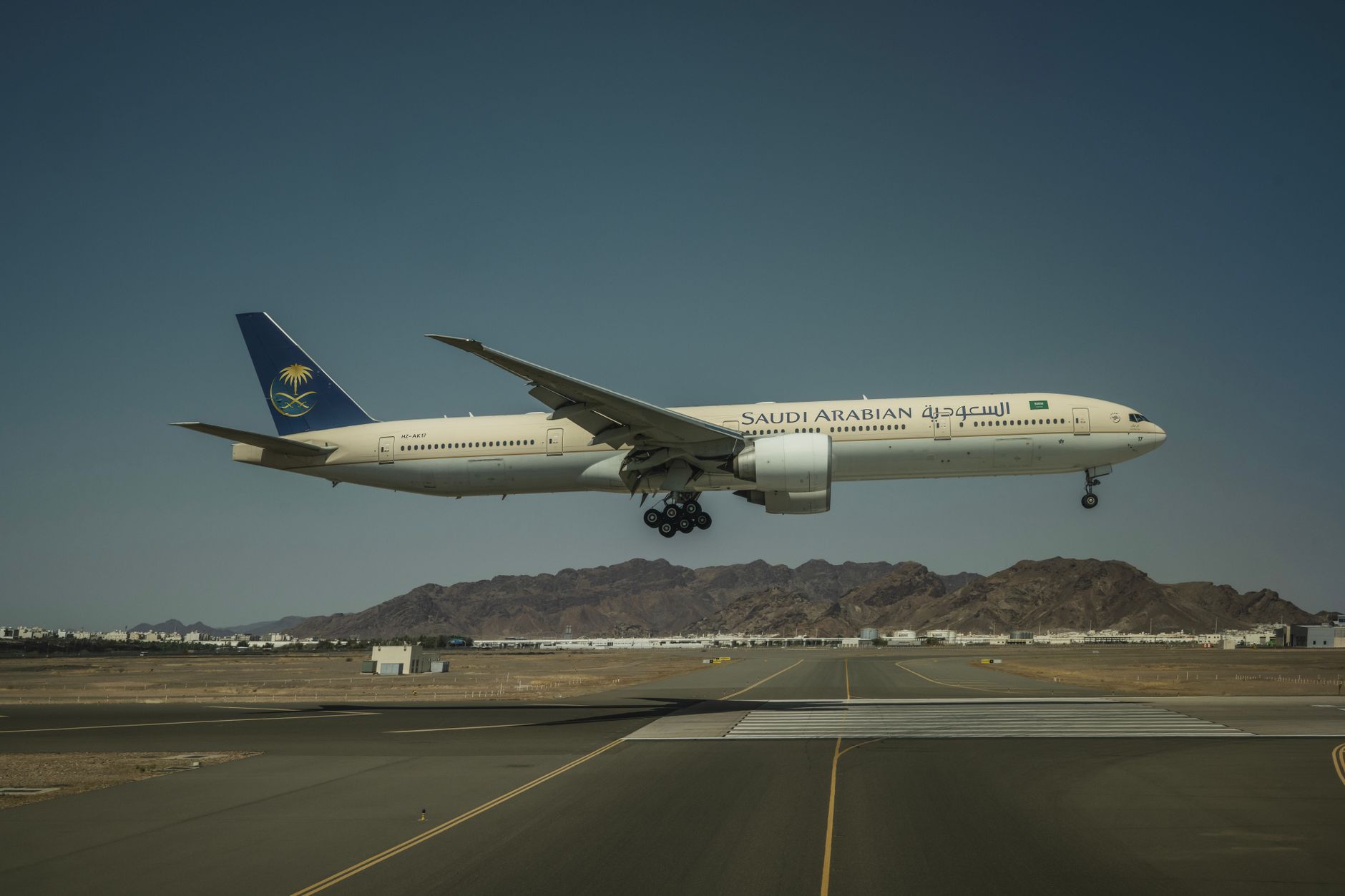
International air connectivity also needs expansion. While India has bilateral air service agreements with numerous countries, seat capacity on certain routes limits growth. More direct flights from emerging source markets could open new tourist segments.
Digital Infrastructure Matters
Modern travelers expect seamless digital experiences. Reliable internet connectivity, digital payment acceptance, and online booking systems are now baseline requirements. Many tourist destinations in India still struggle with:
- Inconsistent mobile network coverage in remote areas
- Limited acceptance of international cards and digital wallets
- Language barriers in digital platforms and tourist information systems
- Insufficient online presence for smaller hotels and tour operators
Economic Multiplier Effects
Improving visa access and connectivity delivers benefits far beyond tourist arrivals. Each international visitor generates economic activity across multiple sectors. Easier travel stimulates:
- Job creation in hospitality, transport, and service industries
- Revenue for local artisans, guides, and small businesses
- Foreign exchange earnings that support the current account
- Investment in infrastructure that benefits residents and visitors alike
- Cultural exchange and soft power enhancement
Tourism development also creates opportunities in regions with limited industrial development, offering alternative livelihoods and reducing urban migration pressures.
Regional Competition and Urgency
India competes in a global marketplace where countries continuously improve their tourism offerings. Southeast Asian nations have aggressively pursued tourist arrivals through visa liberalization and infrastructure development. The Middle East is investing billions in tourism projects. Even within South Asia, countries are recognizing tourism's economic potential.
Delays in addressing visa and connectivity issues mean missed opportunities and lost market share. The post-pandemic travel boom presents a window that requires immediate action to capture pent-up demand.
The Path Forward
Realizing India's tourism potential requires coordinated efforts across government departments, private sector stakeholders, and local communities. Progressive visa reforms, strategic infrastructure investments, and digital enablement must proceed in parallel. The economic rewards justify the investments, promising enhanced employment, regional development, and global positioning as a premier tourist destination.
Success will require balancing openness with security, development with sustainability, and growth with cultural preservation. With proper planning and execution, India can transform its tourism sector into a powerful economic engine while showcasing its incredible diversity to the world.