India is set to host the 16th BRICS Health Ministers' meeting in Chandigarh from July 22-24, marking a significant moment in the country's ongoing chairship of the influential grouping. This gathering will bring together health policymakers from Brazil, Russia, India, China, and South Africa, along with newer members including Egypt, Ethiopia, Iran, and the United Arab Emirates, to address pressing global health challenges and forge stronger cooperation mechanisms.
Understanding BRICS in Healthcare Context
BRICS represents a coalition of major emerging economies that collectively account for over 40 percent of the world's population and approximately a quarter of global GDP. In the healthcare domain, these nations face similar challenges including managing large populations, addressing communicable and non-communicable diseases, ensuring universal health coverage, and building resilient healthcare infrastructure. The health ministers' meeting serves as a crucial platform for sharing best practices, coordinating responses to health emergencies, and creating frameworks for medical collaboration.
Key Areas of Discussion
The Chandigarh meeting is expected to focus on several critical areas that impact public health across BRICS nations. Pandemic preparedness and response mechanisms will likely top the agenda, given the collective lessons learned from COVID-19. The nations are expected to discuss strengthening early warning systems, improving disease surveillance networks, and enhancing cooperation in vaccine development and distribution.
Another significant topic will be the growing burden of non-communicable diseases such as diabetes, cardiovascular conditions, and cancer, which affect millions across BRICS countries. Ministers may explore collaborative research initiatives, technology transfer arrangements, and joint programs for prevention and management of these conditions.
Traditional Medicine and Innovation
India's leadership in hosting this meeting presents an opportunity to highlight traditional medicine systems, including Ayurveda, which has gained global recognition. BRICS nations possess rich traditional medical knowledge systems, and the meeting could facilitate greater integration of these practices with modern healthcare approaches. Additionally, discussions around digital health innovations, telemedicine expansion, and artificial intelligence applications in healthcare delivery are likely to feature prominently.
Pharmaceutical Cooperation and Self-Reliance
BRICS nations have substantial pharmaceutical manufacturing capabilities, with India often called the "pharmacy of the world" due to its generic drug production. The meeting may address strengthening pharmaceutical supply chains among member nations, technology sharing for drug development, and collaborative approaches to ensuring affordable medicines for all. This cooperation becomes particularly relevant as nations seek to reduce dependence on external sources for essential medicines and medical equipment.
Healthcare Workforce Development
The meeting will provide a forum to discuss healthcare workforce challenges, including training, capacity building, and addressing shortages in medical professionals. BRICS nations can explore student exchange programs, joint training initiatives, and mechanisms for mutual recognition of medical qualifications that could enhance human resource mobility while maintaining quality standards.
Antimicrobial Resistance and Climate Health
Antimicrobial resistance poses a growing threat globally, and BRICS nations are particularly vulnerable due to high population densities and varying regulatory frameworks. Ministers are expected to discuss coordinated surveillance programs, responsible antibiotic use campaigns, and research collaboration to develop new antimicrobials.
Climate change's impact on health, including heat-related illnesses, vector-borne disease spread, and air quality concerns, will likely be addressed as BRICS nations experience significant environmental health challenges.
Expected Outcomes
The meeting is anticipated to produce a joint declaration outlining priority areas for cooperation, timelines for implementing collaborative projects, and mechanisms for regular engagement among BRICS health authorities. Potential outcomes may include agreements on establishing a BRICS health research network, creating emergency response protocols, and launching joint initiatives in specific disease areas.
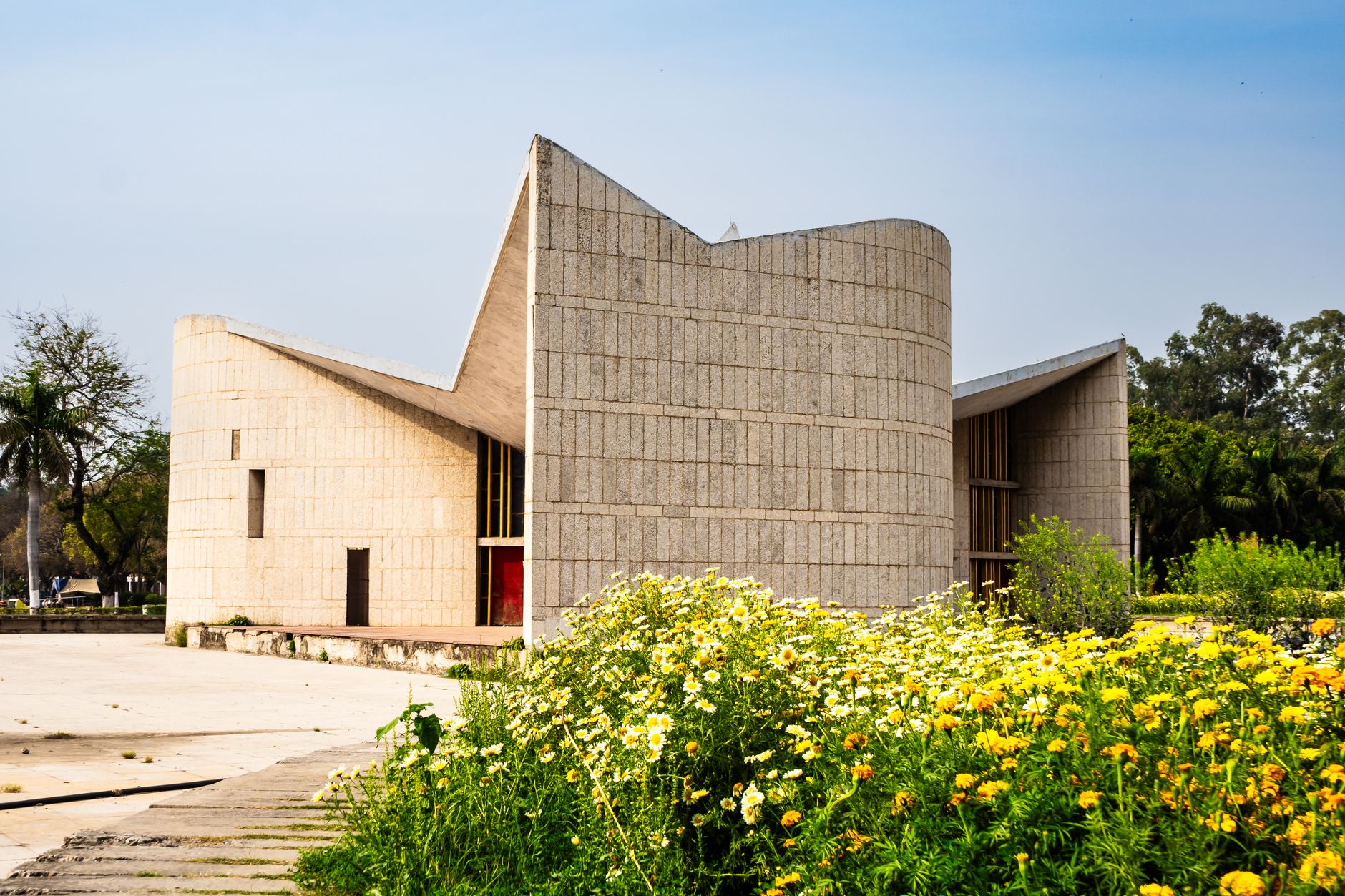
The choice of Chandigarh as the venue—a planned city known for its urban design and healthcare facilities—allows participants to observe India's healthcare infrastructure and exchange ideas in a neutral setting away from metropolitan congestion.
This gathering represents more than diplomatic formality; it embodies the commitment of major emerging economies to address health challenges collectively, leveraging their combined strengths in manufacturing, research, traditional knowledge, and healthcare delivery innovation to benefit billions of people across these nations.