India stands at a pivotal moment where its tourism industry could catalyze transformative economic growth and elevate the country's global profile. With its rich tapestry of cultures, historical monuments, diverse landscapes, and spiritual heritage, India possesses tourism assets that rival any nation. Yet the sector remains significantly underutilized compared to its true potential.
The Economic Impact of Tourism Development
Tourism represents one of the most labor-intensive industries, capable of generating employment across multiple skill levels. From hotel staff and tour guides to artisans and transport operators, the ripple effects of tourism touch countless livelihoods. Currently, travel and tourism contribute approximately 6-7% to India's GDP, but this figure could potentially double with strategic development and infrastructure improvements.
The sector's multiplier effect means that every rupee spent by tourists generates additional economic activity in restaurants, shops, transportation, and local crafts. For a developing economy like India, this creates opportunities in both urban centers and rural areas, helping distribute economic benefits more equitably across regions.
Infrastructure as the Foundation
India's journey toward becoming a tourism powerhouse requires significant infrastructure upgrades. Many world-class destinations remain difficult to access due to inadequate connectivity, poor road conditions, or limited accommodation options. The government's focus on improving airports, railway networks, and highways directly supports tourism growth.
Digital infrastructure also plays a crucial role. Reliable internet connectivity, digital payment systems, and online booking platforms make India more accessible to international travelers who expect seamless technological integration during their journeys.
Beyond the Golden Triangle
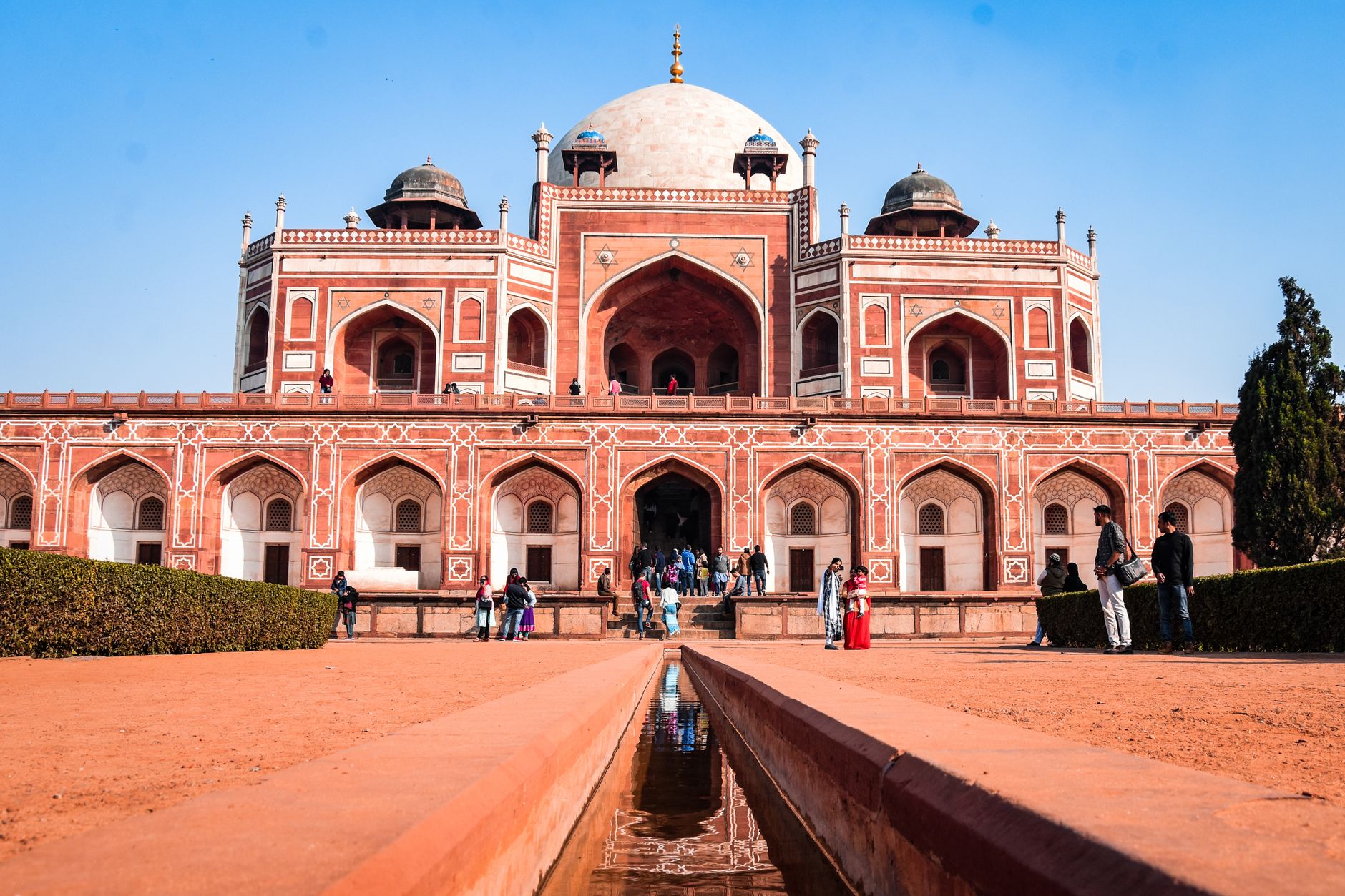
While Delhi, Agra, and Jaipur form India's famous Golden Triangle tourist circuit, the country offers countless other destinations that remain relatively unknown internationally. The pristine beaches of Andaman and Nicobar Islands, the tea gardens of Darjeeling, the backwaters of Kerala, the wildlife sanctuaries across central India, and the mountain ranges of the Northeast all represent untapped tourism potential.
Developing these alternative destinations serves multiple purposes. It reduces overcrowding at popular sites, distributes tourism revenue more widely, and offers visitors more diverse experiences. States like Uttarakhand, Himachal Pradesh, and the Northeastern states have immense potential for adventure tourism, eco-tourism, and wellness tourism.
Medical and Wellness Tourism
India has emerged as a leading destination for medical tourism, offering world-class healthcare at a fraction of Western costs. Hospitals in major cities treat hundreds of thousands of international patients annually for procedures ranging from cardiac surgery to cosmetic treatments.
Similarly, wellness tourism draws visitors seeking Ayurvedic treatments, yoga retreats, and meditation experiences. These specialized tourism segments command higher spending per visitor and help position India as a knowledge hub for traditional healing practices.
Cultural Heritage as Soft Power
Tourism serves as soft power, allowing India to share its cultural narratives with global audiences. When tourists experience Indian hospitality, explore ancient temples, attend classical dance performances, or participate in local festivals, they become ambassadors for India in their home countries.
This cultural exchange builds international goodwill and can translate into stronger diplomatic and economic relationships. Tourism also incentivizes heritage conservation, as historical sites become valuable economic assets that communities actively protect and maintain.
Challenges to Address
Several obstacles must be overcome for tourism to reach its full potential. Safety concerns, particularly for women travelers, require continued attention through better policing and tourist-friendly infrastructure. Cleanliness and sanitation remain issues at many tourist sites, though initiatives like Swachh Bharat have made progress.
Visa processes, while improved through e-visa systems, could become even more streamlined. Training programs for tourism workers in languages, cultural sensitivity, and professional service standards would enhance visitor experiences significantly.
The Path Forward
India's tourism milestone requires coordinated action across government, private sector, and local communities. Sustainable tourism practices must be embedded from the start, ensuring that environmental and cultural resources are preserved for future generations. Marketing campaigns should highlight India's diversity beyond stereotypical images, showcasing modern India alongside its historical treasures.
With strategic investments, improved regulations, and a focus on visitor experience, India's tourism sector could generate millions of additional jobs, boost foreign exchange earnings substantially, and help the nation achieve its broader economic ambitions. The question is not whether tourism can unlock India's potential, but how quickly stakeholders can work together to realize this opportunity.