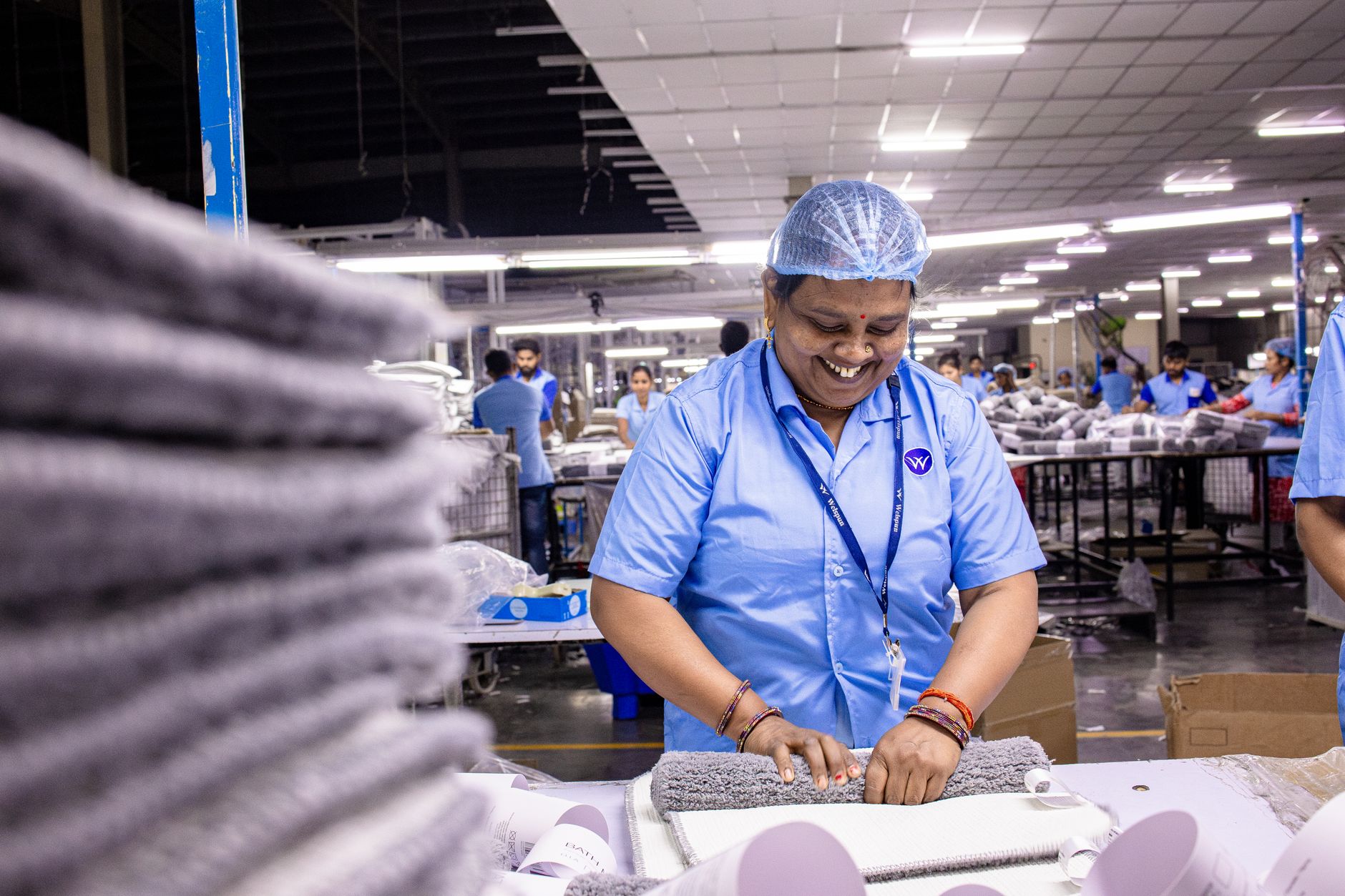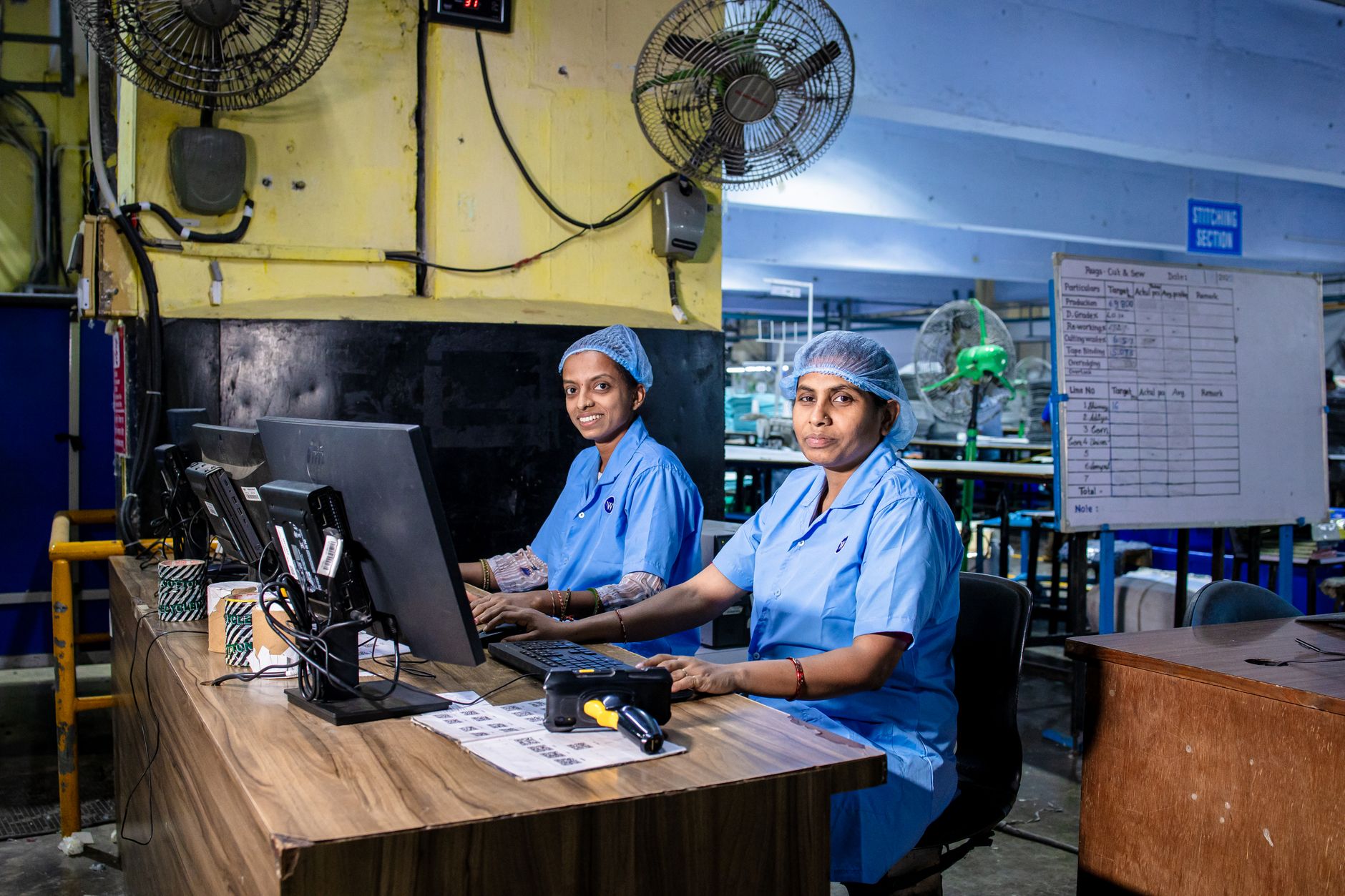
India has rapidly emerged as a significant hub for iPhone manufacturing, with major contract manufacturers like Foxconn, Wistron, and Pegatron establishing large-scale facilities across the country. This expansion has created thousands of job opportunities for freshers looking to enter the electronics manufacturing sector. Understanding the requirements and application process can significantly improve your chances of securing a position.
Understanding iPhone Manufacturing in India
Apple's manufacturing partners operate massive production facilities primarily in states like Tamil Nadu, Karnataka, and Telangana. These facilities handle various aspects of iPhone production, from component assembly to quality testing and packaging. The scale of operations means continuous recruitment drives to maintain and expand the workforce.
Educational Qualifications Required
For entry-level positions at iPhone manufacturing facilities, the educational requirements are relatively accessible. Most assembly line and operator positions require candidates to have completed their 10th or 12th standard education. Some technical roles may require an ITI (Industrial Training Institute) certificate or a diploma in electronics, mechanical engineering, or related fields.
Graduate positions in quality control, supervision, or technical support typically require a bachelor's degree in engineering, particularly in electronics, mechanical, or industrial engineering streams. Fresh graduates from these disciplines often find opportunities in process engineering and quality assurance departments.
Age and Physical Requirements
Most manufacturers set an age range of 18 to 35 years for fresher positions. Physical fitness is important as the work involves standing for extended periods and handling delicate components. Good eyesight is particularly crucial for roles involving quality inspection and precision assembly work.
Skills That Matter
While formal qualifications open doors, certain skills can set candidates apart. Manual dexterity and attention to detail are highly valued in assembly roles. Basic computer literacy is increasingly important, even for floor-level positions, as modern manufacturing involves digital systems for tracking and quality control.
Communication skills in English or the local language help in understanding instructions and safety protocols. Problem-solving abilities and willingness to work in shifts are additional advantages that recruiters look for.
Application Process
Direct applications through company websites are the primary channel for recruitment. Foxconn, Wistron, and Pegatron regularly post openings on their career portals. Creating a profile and uploading your resume with accurate contact information is the first step.
Walk-in interviews are another common recruitment method, particularly for large-scale hiring drives. Companies advertise these events through local newspapers, employment exchanges, and social media platforms. Candidates can attend these events with their educational certificates, identification documents, and passport-size photographs.
Employment agencies and third-party contractors also facilitate recruitment for these facilities. However, candidates should verify the authenticity of such agencies to avoid fraudulent schemes.
Selection Process
The typical selection process includes document verification, a written test assessing basic aptitude and technical knowledge, and a personal interview. Some positions may require a practical test to evaluate manual skills and ability to follow assembly procedures.
Medical fitness tests are mandatory, including vision tests and general health screenings. Background verification is also standard practice before final selection.
Salary and Benefits
Entry-level positions typically offer monthly salaries ranging from Rs 12,000 to Rs 18,000 for assembly line workers, with variations based on location and specific manufacturer. Technical roles and positions requiring specialized skills command higher compensation.
Most facilities provide additional benefits including employee transport, subsidized meals, health insurance, and performance-based incentives. Accommodation facilities or housing allowances are often available for employees relocating from other regions.
Career Growth Opportunities
Starting as a fresher in an iPhone manufacturing facility offers clear career progression paths. Dedicated workers can advance to team leader, supervisor, and management roles within a few years. The experience gained in these facilities is highly valued in the broader electronics manufacturing industry.
Companies also provide training programs to upskill employees, covering areas like quality management systems, lean manufacturing, and safety protocols. These certifications enhance career prospects both within and outside the organization.
Tips for Success
Research the company thoroughly before applying and tailor your application to highlight relevant skills. Arrive prepared for walk-in drives with multiple copies of all documents. Demonstrate enthusiasm for manufacturing work and willingness to learn during interviews.
Be prepared for shift work, including night shifts, as iPhone manufacturing operates around the clock. Showing flexibility regarding work hours can improve your selection chances.
This article is for informational purposes only. Job requirements, salaries, and benefits may vary by company and location. Always verify information through official company sources before making career decisions.